
SURAKARTA — What would happen if the future of batik began with a material that has rarely received attention? At Kampung Batik Laweyan in Surakarta, the answer is being explored through palm wax, not merely as an alternative material, but as an option that brings together traditional batik practices with new forms of experimentation.
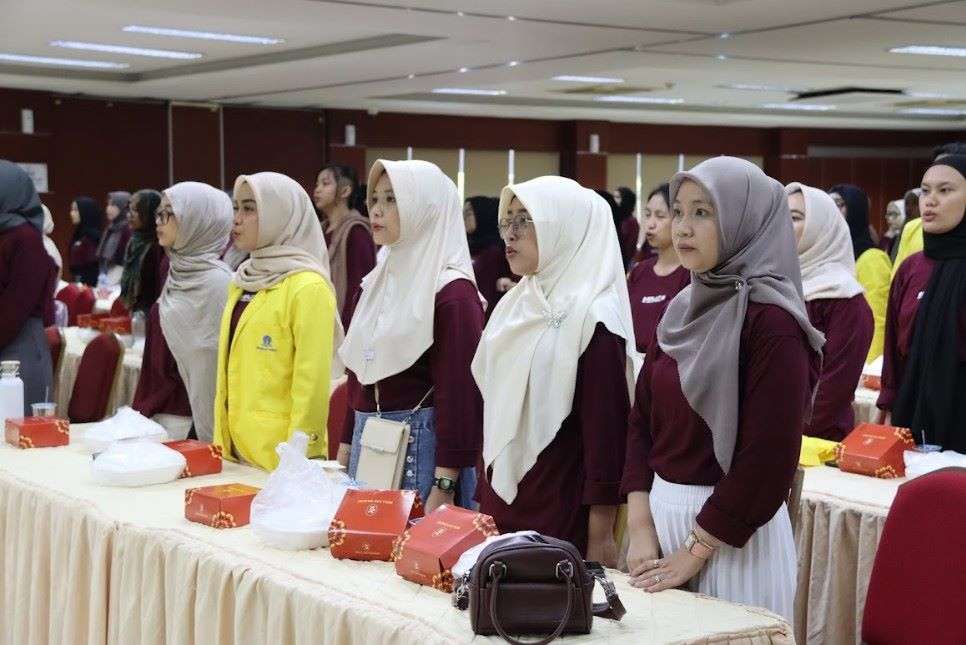
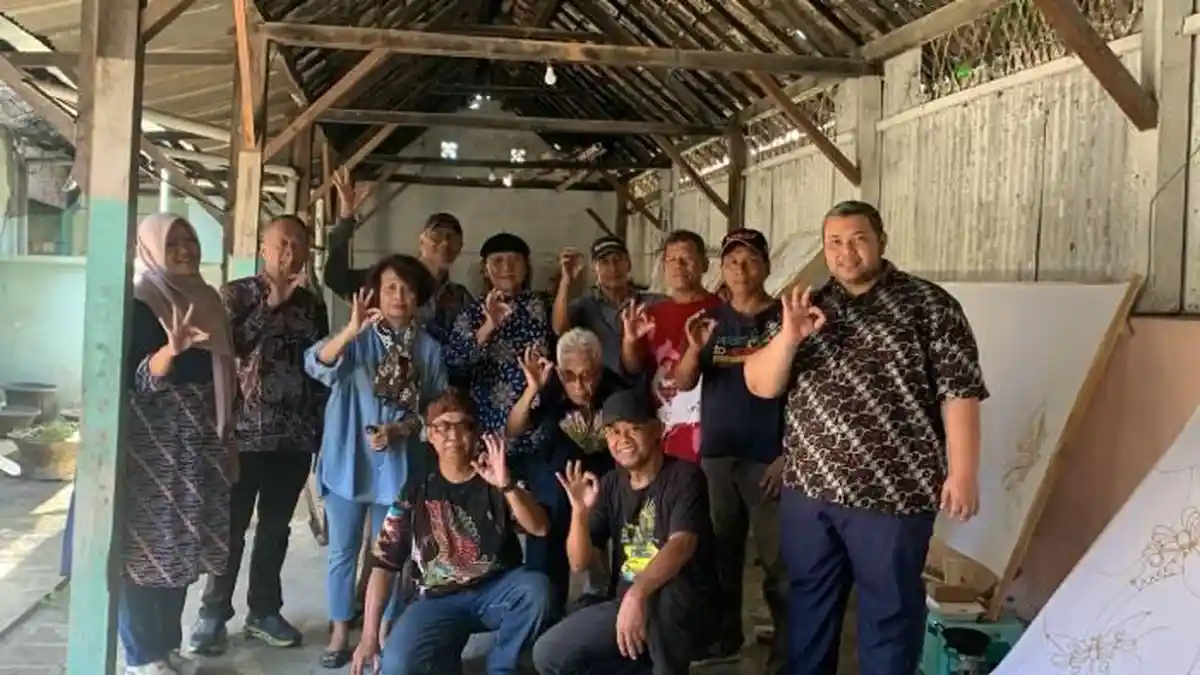
For two days, the batik learning space in Laweyan became a meeting point for elementary school students, university students, people with disabilities, and batik artists. They came with different experiences and abilities, but sat together in the same space to learn how to use a canting, work with colors, experiment with new materials, and translate ideas onto fabric.
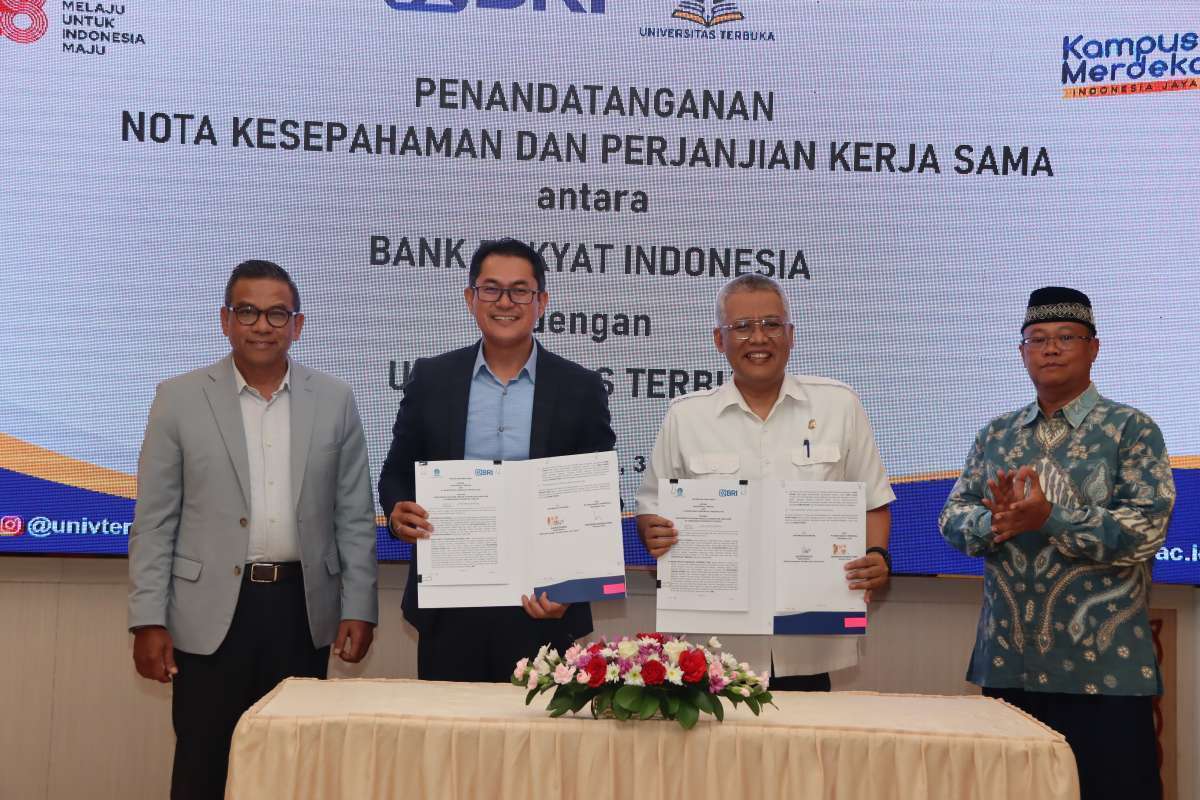
The activity was part of the 2026 National Arts Innovation Program Community Service Program (PkM) organized by Universitas Terbuka (UT) in collaboration with the Forum Pengembangan Kampoeng Batik Laweyan through the program “Development of Palm Wax as an Innovation for Sustainable Batik Raw Materials in Kampung Batik Laweyan, Kota Surakarta.”
Laweyan is more than just a name on Indonesia’s batik map. The area is known as one of Surakarta’s historic batik centers, where the tradition of batik-making continues to thrive. However, a tradition does not always survive simply by repeating old methods. At times, cultural heritage needs to adapt to remain relevant in a changing era.
That is where the innovation of palm wax was introduced.
In the batik-making process, wax or malam serves as a resist to prevent certain areas of the fabric from absorbing dye. Using an alternative material such as palm wax requires more than simply replacing one material with another. Batik makers need to understand the material’s characteristics, heating process, application to fabric, and adjustments to their techniques when using a canting.
Therefore, the training was designed as more than just a theoretical session. Participants directly practiced using palm wax to create batik works. They learned to identify the characteristics of the material, experiment with techniques, and discover visual possibilities that could be developed from the experience.
What made the activity even more interesting was the diversity of people participating in the learning space.
The children brought their curiosity. University students brought an energy of exploration. The presence of participants with disabilities highlighted the importance of creating an accessible space for creative activities that can be enjoyed by broader groups. Meanwhile, batik artists brought years of experience that served as a bridge between traditional knowledge and new experimentation.
The gathering turned the training into more than a simple transfer of skills. It became an inclusive, cross-generational learning space where knowledge about batik was not only passed from one generation to the next, but also enriched by diverse perspectives.
The initiative also opened broader opportunities for batik to develop as part of the creative economy. The Forum Pengembangan Kampoeng Batik Laweyan received equipment and supporting materials to strengthen its capacity to continue the activities after the training ended.
Furthermore, the results of evaluations, exhibitions, publications, and market response measurements will serve as a basis for developing a training model that could potentially be continued in Laweyan or expanded to other batik communities and centers.
Keeping batik alive is not simply about preserving motifs, canting, and techniques passed down from the past. More importantly, the sustainability of batik depends on the courage to make room for innovation, provide opportunities for new generations, and ensure that everyone can take part.
From Laweyan, a piece of fabric once again teaches us one thing: tradition does not have to move backward to remain faithful to its roots. Instead, it can continue moving forward, with new hands, new ideas, and new ways of keeping heritage alive.
This spirit is in line with the Sustainable Development Goals (SDGs), particularly SDG 4 on Quality Education, SDG 8 on Decent Work and Economic Growth, SDG 9 on innovation, and SDG 12 on Responsible Consumption and Production.
The program was funded through the 2026 National Arts Innovation Program Community Service Program by the Directorate of Research and Community Service, Directorate General of Research and Development, Ministry of Higher Education, Science, and Technology.