
SUMENEP, Jawa Timur— As efforts continue to strengthen sustainable coastal tourism development, Universitas Terbuka (UT) Surabaya has reaffirmed its role as a university that extends beyond academic settings by actively engaging with communities and delivering practical solutions. Through research and community service initiatives, UT Surabaya is promoting a Community-Based Tourism (CBT) development model that places local residents at the center of tourism management while ensuring that development remains aligned with the principles of sustainability.
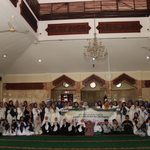
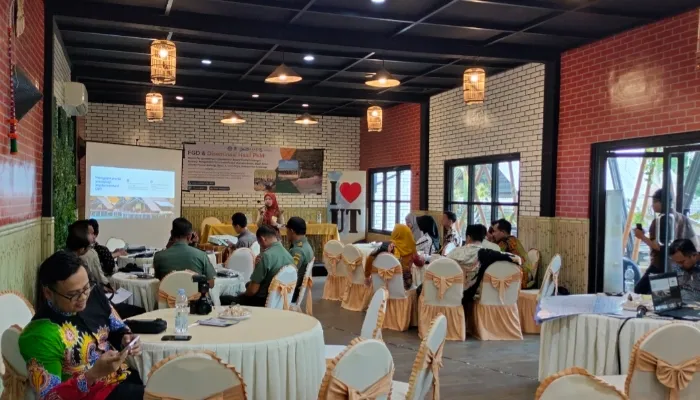
This commitment was demonstrated through a Focus Group Discussion (FGD) and the dissemination of the results of a Community Service (Pengabdian kepada Masyarakat – PkM) Program titled “Community-Based Tourism Development Model as a Strategy to Strengthen Sustainable Coastal Tourism: A Case Study of Galung Beach Tourism, Juruan Daya Village, Sumenep Regency.” The event was held at Kedai HK Sumenep on Monday, June 15, 2026. It forms part of the Enhancing Quality Education for International University Impact and Recognition (EQUITY) Program for 2025–2026, which emphasizes the importance of higher education institutions generating tangible benefits for society.
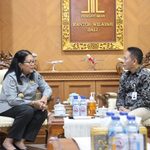
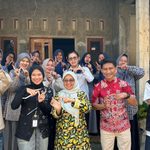
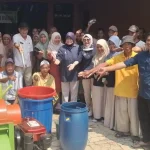
During the forum, UT Surabaya served not only as the event organizer but also as the primary facilitator, bringing together a wide range of stakeholders in a single dialogue. Representatives from local government, law enforcement agencies, village administrations, village-owned enterprises (Badan Usaha Milik Desa – BUMDes), community organizations, tourism operators, academics, and local content creators gathered to discuss the future of Galung Beach in Desa Juruan Daya, Kabupaten Sumenep, Madura, Jawa Timur.
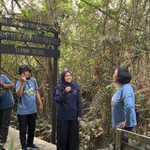
Galung Beach was selected as the case study because of its significant potential as a community-based coastal tourism destination. However, this potential is accompanied by several challenges, including destination management, equitable distribution of economic benefits, limited institutional capacity, and environmental pressures affecting coastal ecosystems. It is in addressing these issues that UT Surabaya’s role becomes increasingly evident by providing scientific approaches that extend beyond theoretical research into practical implementation.
The discussion was active and participatory. Participants examined the current condition of Galung Beach, explored opportunities for destination development, and discussed strategies to strengthen digital-based tourism promotion. All recommendations and insights were compiled and analyzed by the UT Surabaya Community Service Team, led by Sucipto, who is currently developing a more practical and sustainable Community-Based Tourism model.
Speaker Siti Nuurlaily Rukmana emphasized that Community-Based Tourism should not focus solely on increasing visitor numbers. More importantly, she noted, the economic benefits must be shared by local communities while ensuring long-term environmental sustainability.
“Not every Community-Based Tourism initiative develops successfully. Economic benefits are not always distributed equally, and institutional capacity varies across regions. At the same time, pressures on coastal ecosystems and conflicts over land use remain common challenges,” she said during the forum at Gedai HK Hall, Kolor, Sumenep.
Her remarks reinforced UT Surabaya’s vision of tourism development that balances economic growth with social equity and environmental conservation. This approach is consistent with the Sustainable Development Goals (SDGs), particularly SDG 8 (Decent Work and Economic Growth), SDG 11 (Sustainable Cities and Communities), and SDG 14 (Life Below Water).
Another speaker, Andri Zulkarnain, highlighted the importance of strengthening the capacity of tourism destination managers. He noted that UT Surabaya’s initiative promotes meaningful transformation at the local level by integrating academic expertise with the practical needs of the community.
Strengthening local organizations, improving tourism service quality, developing creative tourism products, and utilizing digital technology were identified as critical factors in enabling destinations such as Galung Beach to remain competitive in an increasingly dynamic tourism industry.
By the end of the event, it was evident that UT Surabaya’s contribution extended beyond presenting research findings. The university also created a collaborative platform that brought together knowledge, public policy, and field experience. The outcomes of the forum are expected to produce a Community-Based Tourism model that is not only conceptually sound but also replicable in other coastal regions across Indonesia.
More broadly, the initiative reaffirmed Universitas Terbuka’s identity as an institution committed to expanding access to quality education while delivering meaningful contributions to society. Through its work at Galung Beach, UT Surabaya demonstrated how higher education can directly support community development by connecting academic knowledge with the practical needs of sustainable development.
Ultimately, the forum produced more than a tourism development framework. It reinforced an important message: development becomes more meaningful when academic institutions, government, and local communities work together toward a shared vision of a more sustainable future.