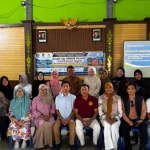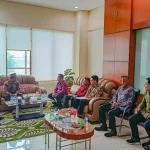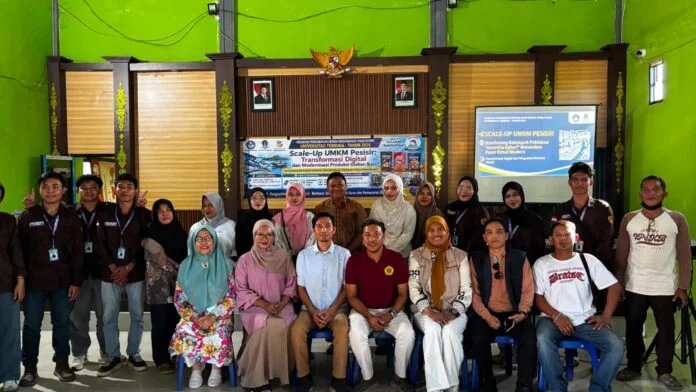

Amid the density of urban neighborhoods, home yards are often overlooked and regarded as unused spaces. Yet, these modest plots of land can become the starting point for healthier, more self-reliant families. Inspired by this belief, Universitas Terbuka (UT) Surakarta launched a National Community Service Program (Pengabdian kepada Masyarakat – PkM) in RW 08, Desa Jajar, Kecamatan Laweyan, Kota Surakarta, encouraging residents to embrace clean and healthy living while transforming their home yards into productive sources of family food.
Carrying the theme Community-Based Sanitation Intervention to Support Sustainable Access to Proper Sanitation and the Utilization of Home Yards Through the Cultivation of Fruits, Vegetables, and Medicinal Plants to Strengthen Family Food Security, the program reflects UT Surakarta’s commitment to community engagement that responds directly to local needs. Rather than merely delivering educational sessions, the initiative seeks to inspire practical changes that residents can implement in their daily lives.
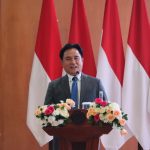
The program was officially opened by the Assistant for Government and Public Welfare (Assistant I) of the Kotta Surakarta Regional Secretariat, Purwanti, S.K.M., M.Kes. She commended Universitas Terbuka for implementing a community service program that addresses fundamental community issues, particularly by improving environmental sanitation and strengthening household food security.
According to Purwanti, building a healthy community requires more than physical infrastructure alone. Equally important is fostering public awareness of clean and healthy living practices while encouraging people to make better use of the resources available in their surrounding environment as part of sustainable community development.
A similar view was expressed by the Head of Desa Jajar, Ibnu Tri Wibowo, S.E. He noted that collaboration among universities, local governments, and communities is a strategic approach to creating healthier living environments while empowering residents through the productive use of home yards.
For UT Surakarta, the collaboration represents a tangible implementation of the Three Pillars of Higher Education (Tri Dharma Perguruan Tinggi). UT Surakarta Director Dr. Agus Joko Purwanto, M.Si., emphasized that universities are responsible not only for producing qualified graduates but also for providing solutions to the challenges faced by society.
“Universitas Terbuka Surakarta remains committed to implementing programs that create tangible impacts through scientific, innovative, and sustainable approaches,” he said.
This commitment was realized through a program led by Fadloli, M.Pd., and Heny Kurniawati, S.ST., M.Kes. Together, they designed a community empowerment initiative that emphasizes hands-on practice rather than theoretical instruction alone, ensuring that its benefits can be sustained over the long term.
Residents were introduced to the importance of proper sanitation, encouraged to revisit the principles of Clean and Healthy Living Behavior (Perilaku Hidup Bersih dan Sehat or PHBS), and motivated to strengthen community participation in maintaining environmental quality. The educational activities were complemented by efforts to improve sanitation facilities and strengthen community institutions so that the positive changes would continue beyond the completion of the program.
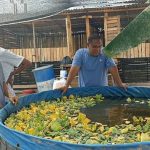
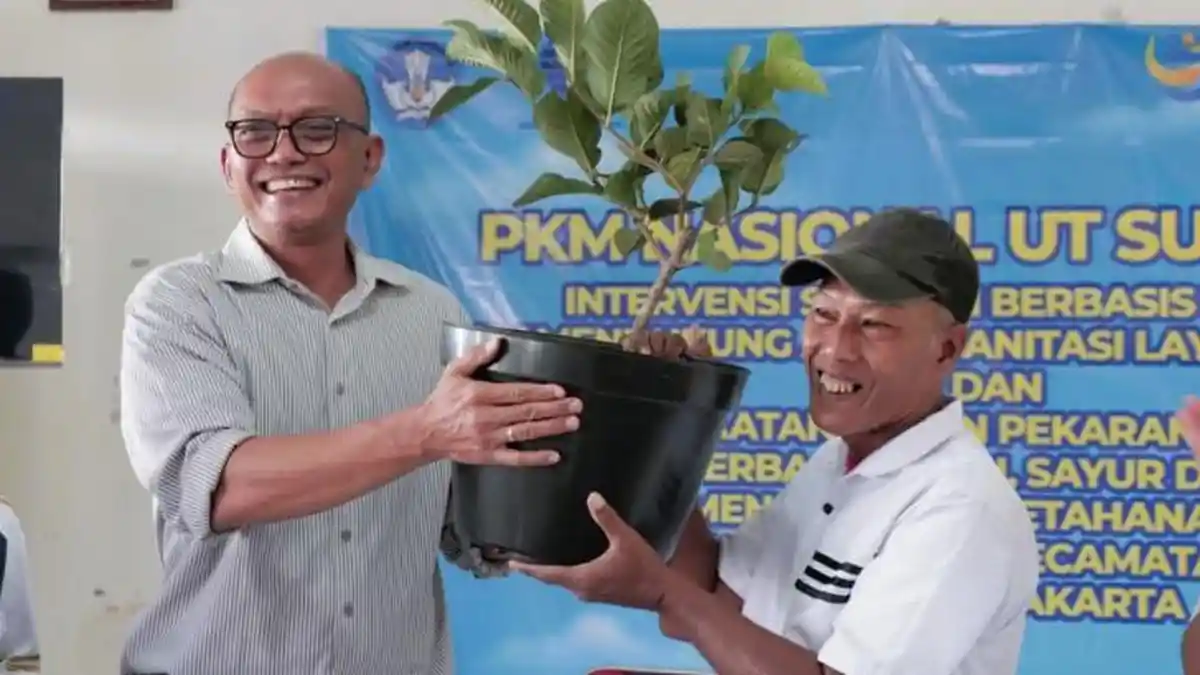
After raising awareness about sanitation, participants were invited to rediscover another often-overlooked resource, their home yards. Through practical demonstrations on planting a variety of fruit trees, vegetables, and family medicinal plants (Tanaman Obat Keluarga or TOGA), residents learned that even limited outdoor spaces could be transformed into productive gardens that support household food supplies and improve family nutrition.
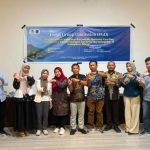
The event was marked by a warm and enthusiastic atmosphere. Residents of RW 08, Desa Jajar, did not simply attend as passive participants but actively took part in planting activities and discussions on how to care for the plants to ensure long-term benefits. Their engagement reflected the spirit of mutual cooperation that serves as the driving force behind sustainable, community-based transformation.
More than simply planting seedlings or delivering educational materials, the program conveyed the message that meaningful change often begins with small, consistent actions. When proper sanitation becomes part of everyday culture, clean and healthy living becomes a habit, and home yards are transformed into productive spaces, the benefits extend beyond individual households to create healthier, more self-reliant, and more resilient communities.
Through this National Community Service Program, UT Surakarta hopes to strengthen collaboration among higher education institutions, government agencies, and local communities as the foundation for creating healthier and more sustainable living environments. After all, the most meaningful transformations do not always begin with large-scale initiatives, but with individuals who are willing to take small steps at home and work together to create lasting change that benefits the wider community.