
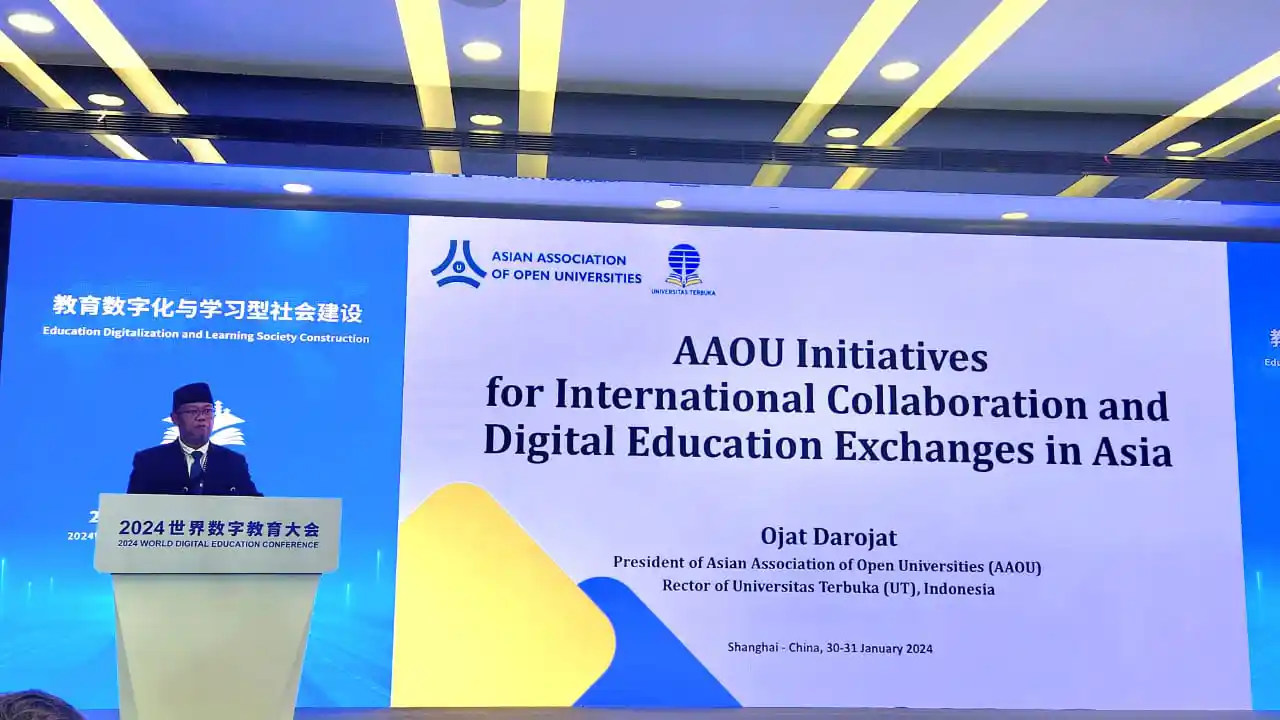
The Rector of Universitas Terbuka (UT) and a delegation, were invited as a speaker by the Ministry of Education of the People’s Republic of China at the 2024 World Digital Education Conference themed “Digital Education: Application, Sharing, and Innovation.” This international conference on Digital Education was held offline at the Expo Center in Shanghai, China, from January 30 to 31, 2024. The conference was collaboratively organized by the Ministry of Education of the People’s Republic of China, the National Commission of China for UNESCO, and the Shanghai Municipal Government.
Key attendees at the international conference included the Minister of Education of the People’s Republic of China – Dr. Huai Jinpeng, Vice Minister of Education, China – Dr. Yan Wu, and other important officials in Shanghai government. During this event, UT Rector, Prof. Ojat Darojat, M.Bus., Ph.D., who also serves as the President of Asian Association of Open Universities (AAOU) for the periods 2022-2023 and 2023-2025, presented on “AAOU Initiatives for International Collaboration and Digital Education Exchanges in Asia.”
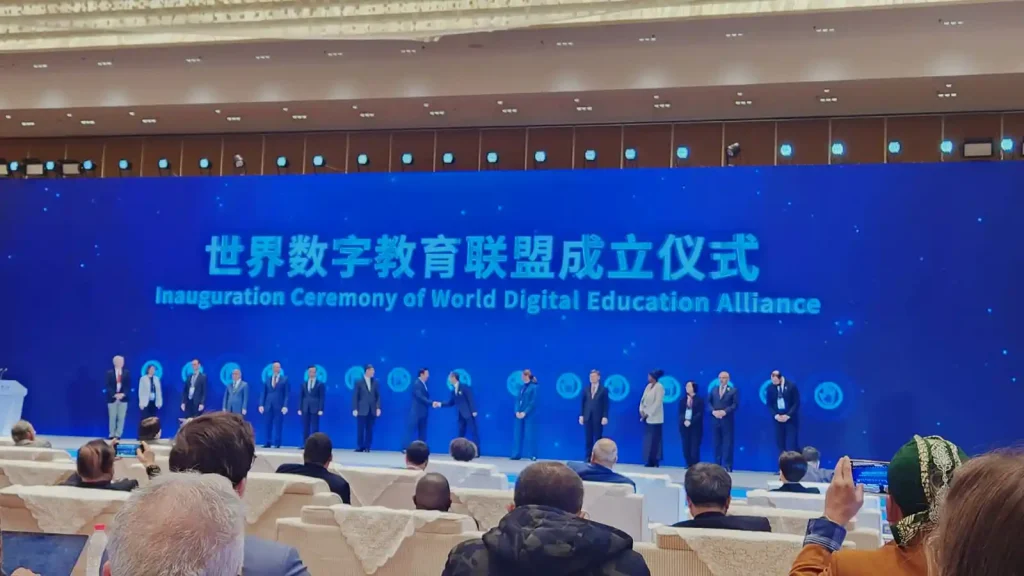
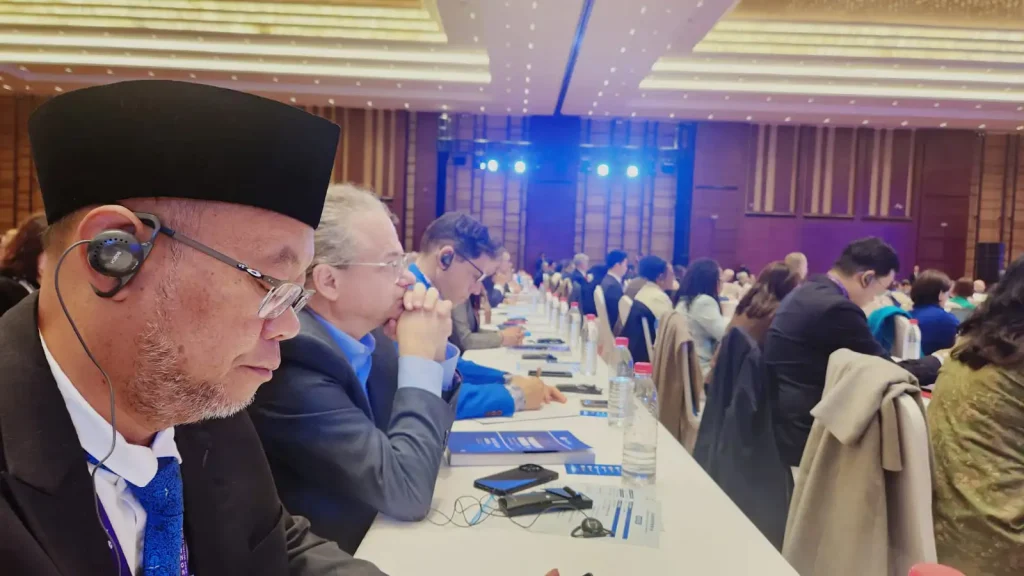
The 2024 World Digital Education Conference aims to bring together various stakeholders, including the government, universities, primary and secondary schools, companies, relevant international organizations, non-governmental organizations, and other stakeholders to explore practices and innovations in digital education. The goal was to promote inclusive, equitable, and quality education through digital education transformation, supporting the achievement of the United Nations Sustainable Development Goals (SDGs).
Aligned with the conference theme of digital education, the event focused on topics such as improving digital literacy and teacher competencies, digitalization of education and building a learning society, global trends in the development index and evaluation of digital education, artificial intelligence and digital ethics, challenges and opportunities of digital transformation for primary education, and digital governance in education.
The digital transformation and innovation of education in the digital era have become crucial. Alongside the revolutions in science and technology, also industry. Digital technology has become a driving force that fundamentally changes and reshapes the mindset, organizational structure, and operational methods of human society in all aspects. This presents new challenges but also opens significant opportunities for diverse innovations to drive development. The application and development of digital technology has integrated into various activities related to all aspects of societal life. These new challenges will have a significant impact on the trends and developments in future education.
During the digital education conference, the United Nations (UN), together with countries worldwide and several international organizations, took active steps to prioritize digital education as a crucial pathway and initiative in responding to challenges and realizing a brighter future. Digital transformation has become a vital carrier and direction for the global transformation of education. The UN Education Transformation Summit has identified digital transformation in the education sector as one of its five priority agendas. In this regard, the summit emphasizes that the digital revolution must benefit all learners. Many countries have implemented digital development strategies, with education being a crucial component of these efforts.
Support for creating digital transformation in the world of education is also backed by united institutions or associations advocating for a learning society. In a parallel session, Prof. Ojat, as the President of AAOU, presented on the tangible forms of collaboration among open universities in the Asian region to jointly develop and implement a digital education culture. Prof. Ojat was one of the speakers in a parallel session with the theme “Concepts and Strategies for Building a Learning Society in the Digital Age” on January 30, 2024. He discussed the role of AAOU in the development of research and educational technology collaboratively. The President of AAOU conveyed, “One of AAOU activities is collaboration among 69 AAOU members with the vision of building shared knowledge about open, flexible, and distance e-learning.” Additionally, AAOU is actively promoting the involvement of academics from member institutions in scientific activities. In essence, each AAOU member has the opportunity to conduct cooperative research with full funding from the Association. Research topics include future education through the transformation and innovation of digital education. During the forum, Prof. Ojat mentioned that another strategic program is the exchange of lecturers and students. This program aims to enhance the capacity of AAOU members through knowledge exchange, sharing experiences, and best practices.
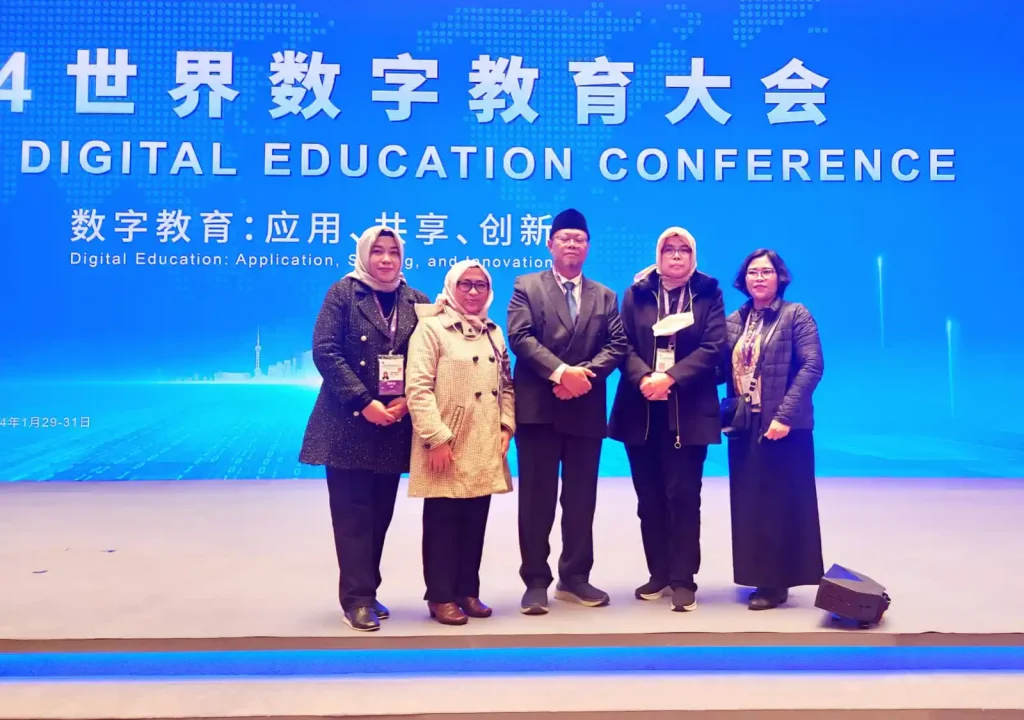
Furthermore, Prof. Dr. Ucu Rahayu, M.Sc., the Dean of the Faculty of Teacher Training and Education (FKIP), was also a presenter in a parallel session with the theme “Improvement of Digital Literacy and Competency of Teachers” on January 30, 2024. Prof. Ucu presented on “Optimizing Teacher’s Technological Competence through Digital Learning Supports.” Other UT delegates who attended the Education Digital Conference besides Prof. Ojat Darojat, M.Bus., Ph.D., and Prof. Ucu Rahayu Rahayu, M,Sc. were Dra. Isti Rokhiyah, M.A., Ph.D. WD II FKIP-UT, and General FKIP, Dr. Lidwina Sri Ardiasih, M.Ed., WD III FKIP-UT, and Dr. Maya Maria – Head of Public Relations and Marketing Sub-Directorate.
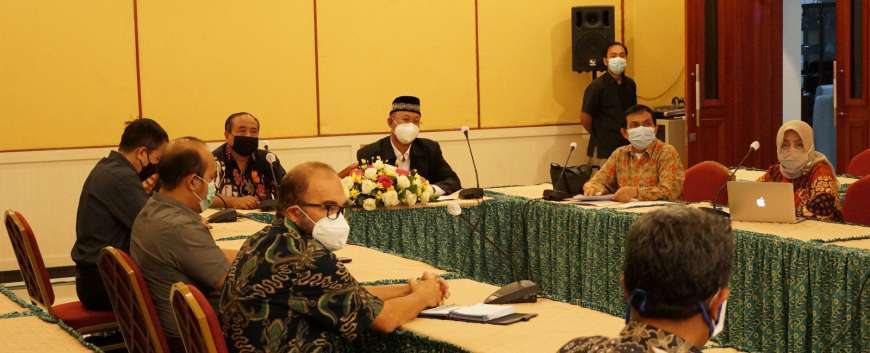
Outside the conference activities, a meeting was held with East China Normal University (ECNU), ECNU delegates including Prof. Qian Xuhong – President of ECNU, Prof. Du Zhenyu – Director of the International Office, Prof. Wu Defang – Vice Dean of the School of Teacher Development, Mr. Li Yanlei, Deputy Director of the University Office, and Ms. Cao Xiaoying – Translator were present. From the entire conference, we can learn that digital transformation in education is inevitable. Therefore, all stakeholders must collaborate to share roles in realizing future education while maintaining an Indonesian identity.