
SAMARINDA — A legal article presented in a courtroom is merely the beginning of a lengthy process of uncovering the truth. The rest depends on the facts established, the evidence examined, and the legal arguments developed in a coherent manner. These abilities cannot be adequately developed through an understanding of theories and legal articles alone; they must also be built through practical experience. To this end, Universitas Terbuka (UT) provides law students with learning experiences based on judicial practice so that they can gain a more practical understanding of legal proceedings.
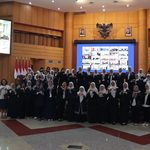
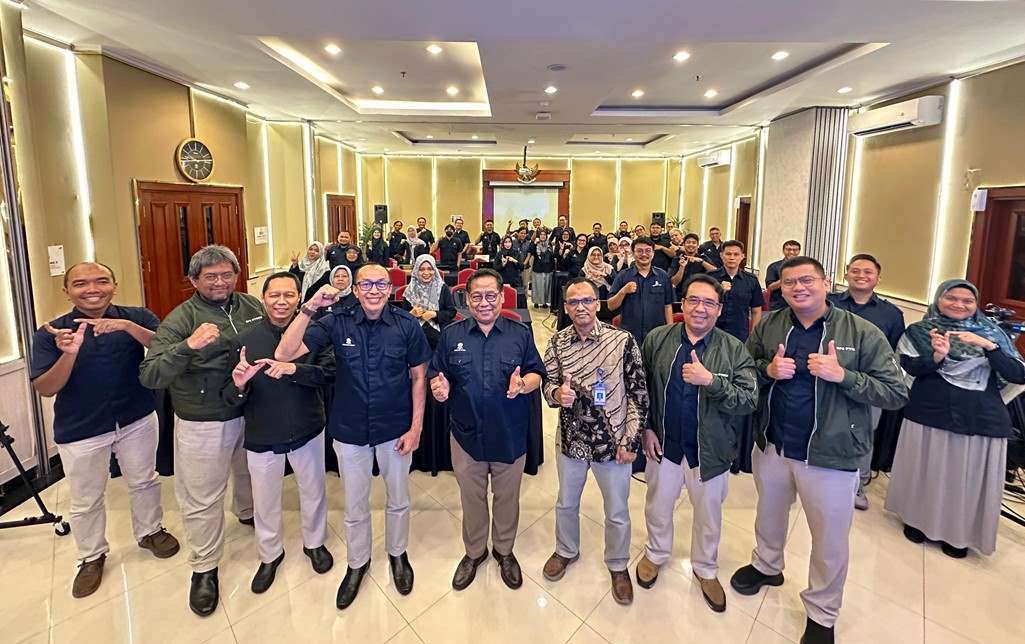
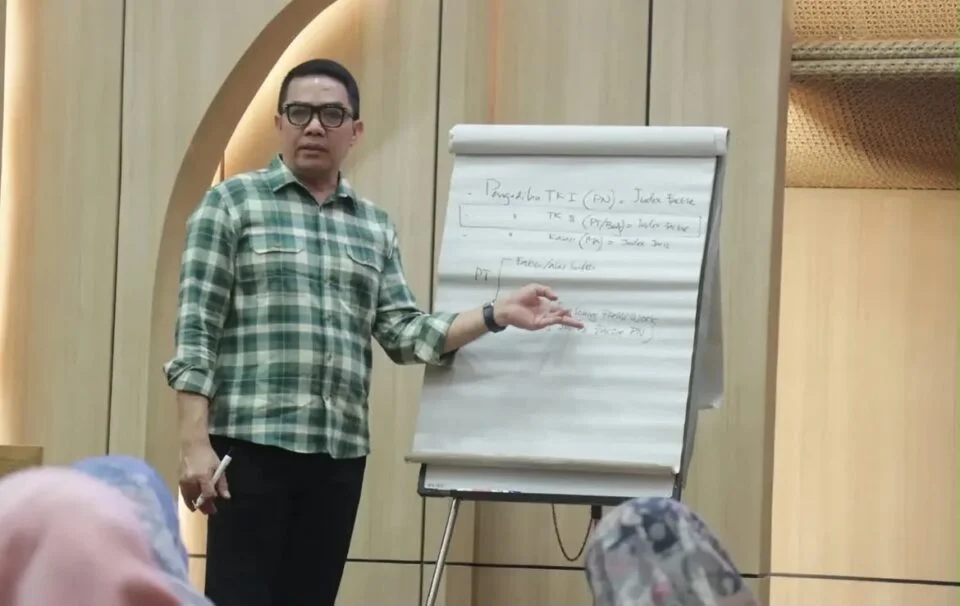
Students of the Faculty of Law at Universitas Terbuka (UT), both civil servants (ASN) and non-civil servants working within the Government of Kota Samarinda, attended the Criminal and Civil Judicial Practice course taught by Samarinda Mayor Andi Harun. Entering its sixth session, the class was held in the Mangkupelas Meeting Room on the second floor of Kota Samarinda Hall on Saturday (October 24, 2026), at 2:45 p.m. Central Indonesia Time (Waktu Indonesia Tengah – WITA), focusing on the presentation of evidence in civil cases. Through discussions of theory, case studies, and simulations, students were invited to understand how the evidentiary process takes place in judicial practice.
The presentation of evidence is one of the crucial stages in resolving civil disputes because it determines how the claims and facts presented by the parties are assessed based on the evidence submitted. During the course, Andi Harun explained various aspects of the evidentiary process, from its basic principles to its application in court proceedings.
“The discussion covers the system and burden of proof, the types and evidentiary weight of evidence, as well as how legal facts are assessed,” he said.
Students also studied the stages of civil proceedings, from filing a lawsuit, mediation, the exchange of statements, and the presentation of evidence to the submission of conclusions and the reading of the verdict. To strengthen their understanding, they practiced preparing documentary evidence lists and evidentiary matrices, examining witnesses, and formulating legal arguments through a case study involving a dispute between PT Mahakam Sentosa Properti and PT Borneo Niaga Utama. These exercises helped students understand that case resolution does not rely solely on the claims presented, but also on the relevance of the evidence, the connections between facts, and the accuracy of legal application.
This learning approach, which combines theory and practice, forms part of UT’s efforts to support the Sustainable Development Goals (SDGs), particularly SDG 4: Quality Education, by providing learning opportunities relevant to the needs of the professional world. Through practical judicial experience, students are expected not only to understand law conceptually but also to apply their knowledge and skills to address legal issues critically, systematically, and responsibly.
The course also examined the differences in the functions of each level of the judiciary. District Courts and High Courts act as judex facti, meaning they examine trial facts and assess the evidence submitted by the parties. Meanwhile, the Supreme Court, at the cassation level, performs the function of judex juris, focusing on the proper application of the law.
“At the cassation level, the Supreme Court serves as judex juris, focusing on the application of the law,” he stated.
This understanding helps students recognize that analyzing a case requires consideration of the stages of examination and the authority of the judicial institution handling it.
The development of students’ competencies continued in criminal procedural law through a pretrial hearing simulation at the Karamumus Pavilion Room, Kota Samarinda Hall. The simulation was based on Case Number 01/PID.PRA/2026/PN SMD of 2026 to help students become familiar with the stages of court proceedings while understanding the importance of procedural accuracy in law enforcement.
This learning activity also supports the Sustainable Development Goals (SDGs), particularly SDG 16: Peace, Justice, and Strong Institutions, by promoting access to justice and strengthening the rule of law. Through judicial practice, students are expected to understand legal processes critically, uphold the principles of justice, and apply legal procedures accurately. These competencies will serve as valuable preparation for contributing to fair, transparent, and accountable law enforcement.
“The combination of theory, case studies, and courtroom simulations serves as a learning approach to sharpen students’ analytical skills,” he concluded.
Understanding the law is not merely about knowing the rules; it is also about being able to interpret facts, weigh evidence, and construct arguments. Through learning that combines theory and practice, UT seeks to equip its students, including those already working as public officials, with the ability to understand the law comprehensively.