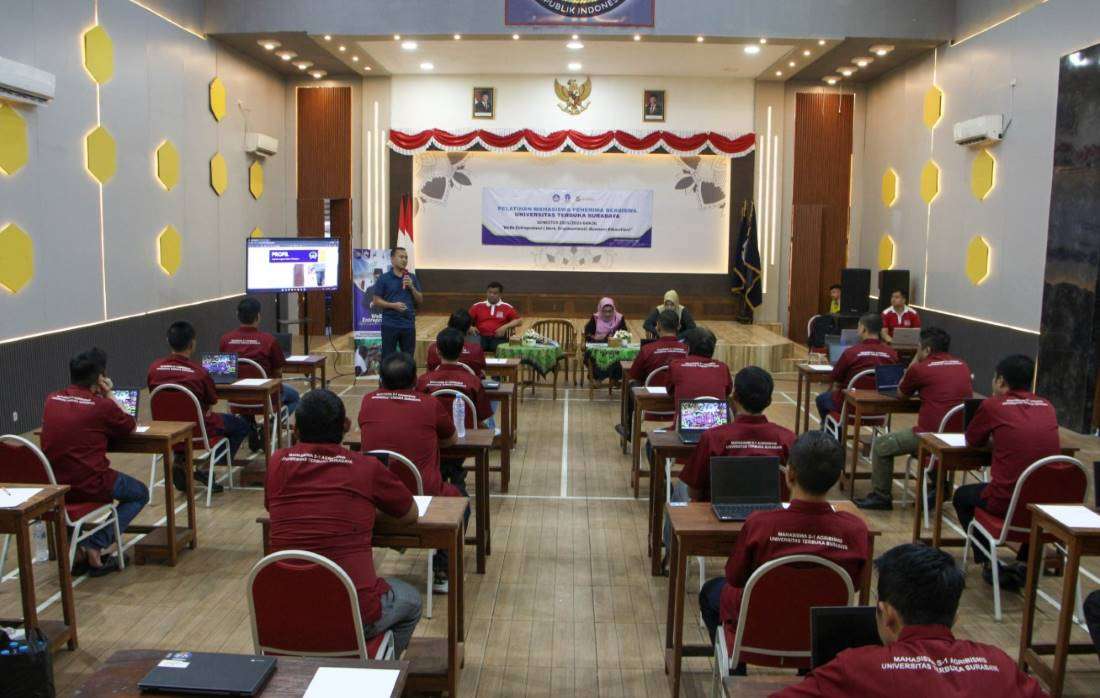

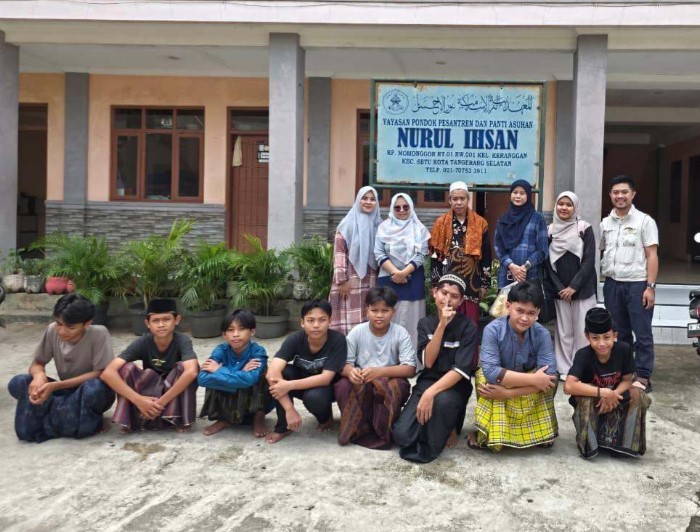
TANGERANG SELATAN — The Waste, which has often been viewed as an environmental problem, is being introduced as an opportunity for students at Nurul Ihsan Islamic Boarding School in Kranggan, Serpong. Through the “Santri Green Rangers” program, Universitas Terbuka (UT) equips students with skills in resource management, social entrepreneurship, and digital marketing of products produced by the Islamic boarding school.
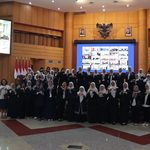
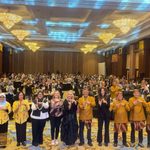
The Community Service (PkM) program titled “Santri Green Rangers: Empowering Islamic Boarding School Youth through SDG-Based Bio-Circular Sociopreneurship” was held on September 19, 2026. The activity involved students, Islamic boarding school administrators, and members of the surrounding community as part of UT’s efforts to promote community-based empowerment.
For UT, students at Islamic boarding schools not only play a role as successors to religious values but also have the potential to become agents of change in their surrounding communities. Therefore, the approach provided did not stop at environmental awareness but was directed toward skills that can support the economic independence of the Islamic boarding school.
“Students at Islamic boarding schools are not only successors to religious traditions but also agents of change who can drive economic independence and environmental sustainability in their respective Islamic boarding school communities,” said Chair of the UT PkM Team, Dr. Vivi Indra Amelia Nasution, M.A.
This spirit is in line with SDG 4 on Quality Education, particularly through learning that provides practical and relevant skills for communities. In this program, knowledge was not only delivered through materials but directly translated into practices that can be applied within the Islamic boarding school environment.
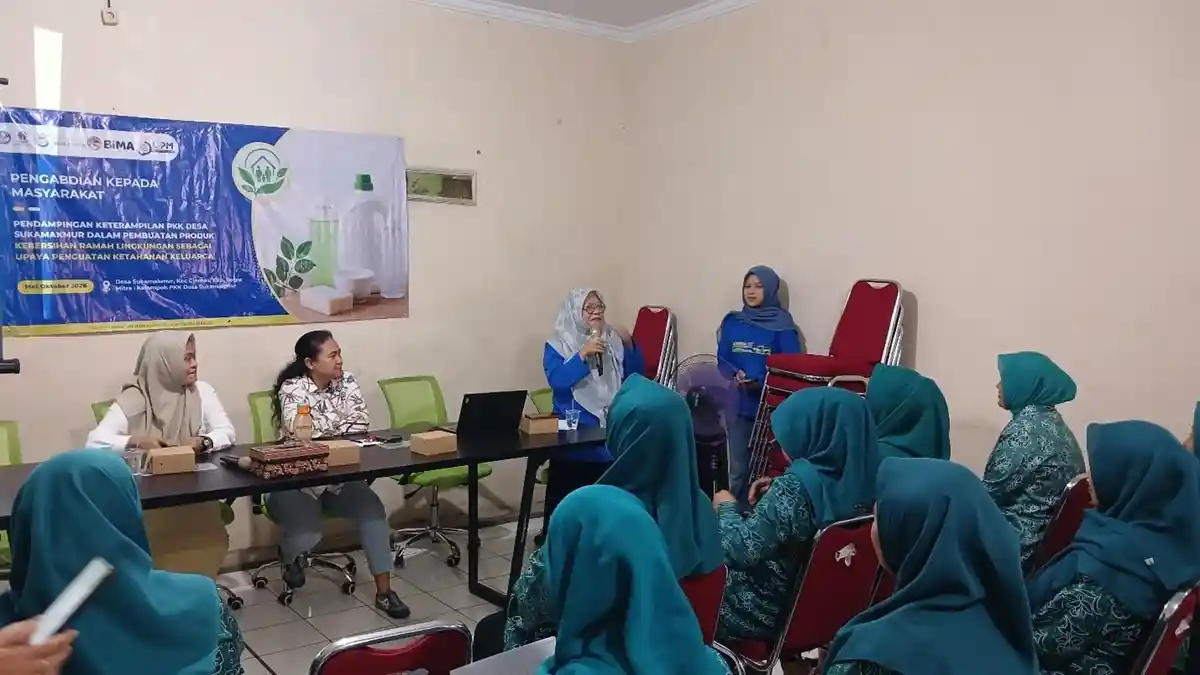
One of the topics that attracted participants’ attention was sociopreneurship, which combines entrepreneurial activities with efforts to address social issues. The students were encouraged to view waste not merely as something to be discarded but as a resource that still has economic value. Concepts such as waste banks, organic compost, and plastic crafts were introduced as alternatives that could be developed into productive activities.
This approach also introduced the spirit of SDG 12 on Responsible Consumption and Production. When items initially considered waste can be sorted, processed, and reused, the cycle of resource use becomes longer while also creating new economic opportunities.
The learning then continued with practical training on making molasses for biofloc systems. The students learned about the function of molasses as a carbon source for floc-forming bacteria while also understanding the stages of making an alternative molasses using palm sugar. The process began with dissolving and boiling the ingredients, followed by activation using aquaculture probiotics for 24 hours.
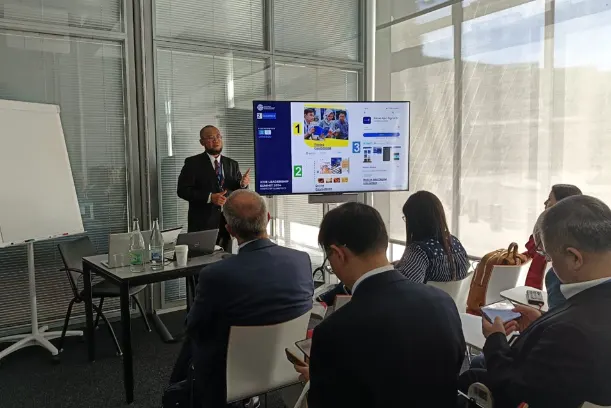
The program did not stop at environmental management and production. UT also equipped the students with the skills to bring products from the Islamic boarding school into the digital space. Through sessions on branding and marketing for the Islamic boarding school’s MSMEs, participants learned how to build brand identities, determine target markets, take simple product photographs, and utilize WhatsApp Business, Instagram, TikTok, Google Business Profile, and artificial intelligence (AI) for promotion. The program targeted a 20 percent increase in sales of the Islamic boarding school’s MSME products.
These skills strengthen the spirit of SDG 8 on Decent Work and Economic Growth, by broadening the students’ understanding that economic activities can be developed from issues within their own environment while continuing to generate social and environmental benefits.
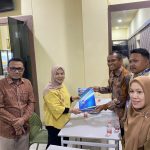
This commitment was then realized through the provision of grants in the form of plant seedlings and waste-processing equipment, marked by the signing of a Handover Report (BAST). Joint tree planting symbolized that the learning provided would not end when the activity concluded.
The Head of Nurul Ihsan Islamic Boarding School, Ustadz H. Sobari, welcomed the program, which he considered to provide not only knowledge but also practical skills and tangible facilities for students to protect the environment and build economic independence.
Through Santri Green Rangers, UT demonstrates that education can move beyond the classroom: reaching communities, addressing environmental issues, and creating economic opportunities at the same time. Moving forward, UT is committed to expanding similar programs to other Islamic boarding schools in various regions of Indonesia so that more students can become empowered economically, socially, and environmentally.