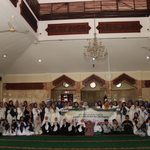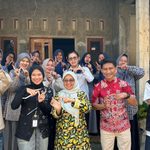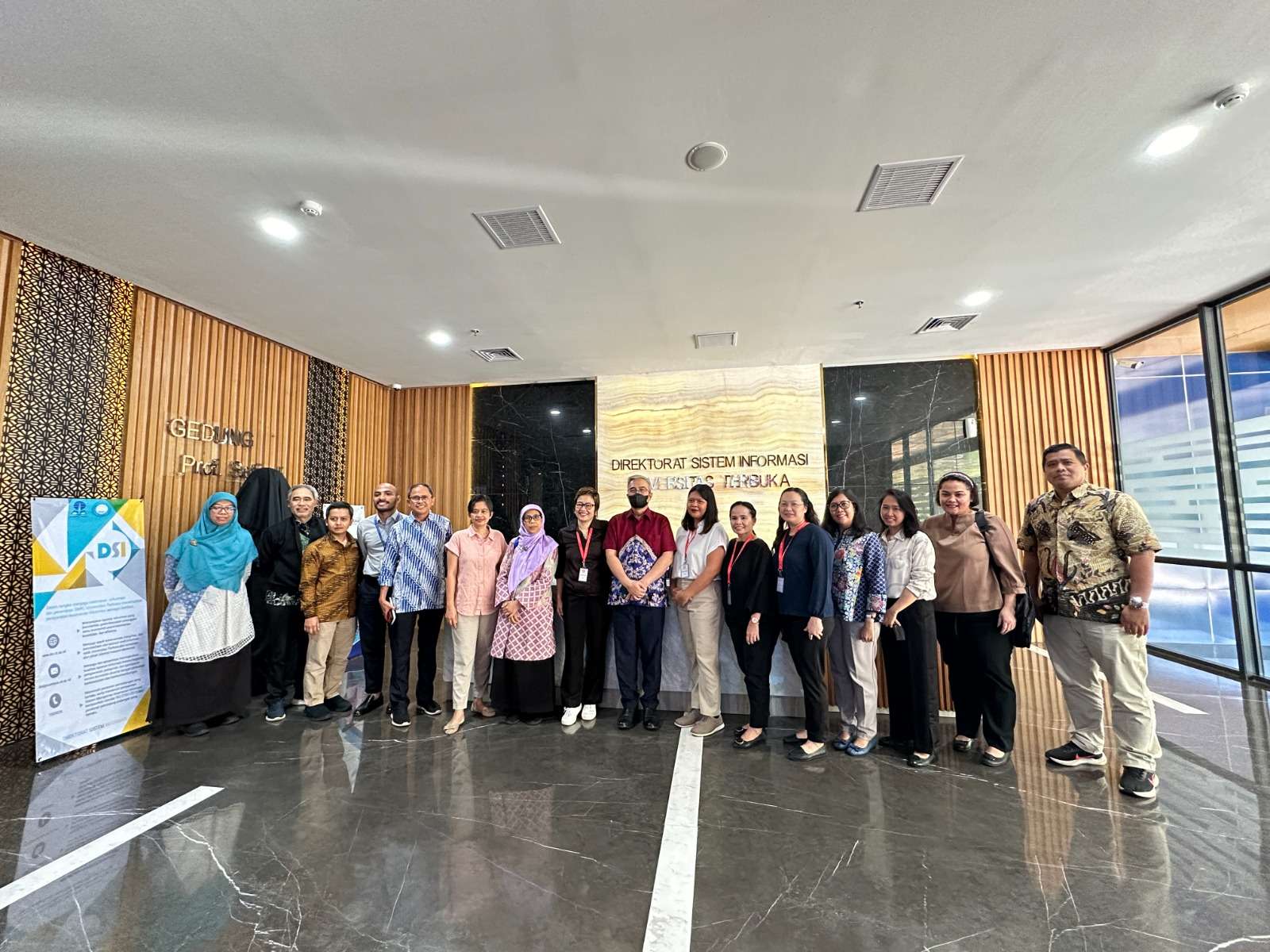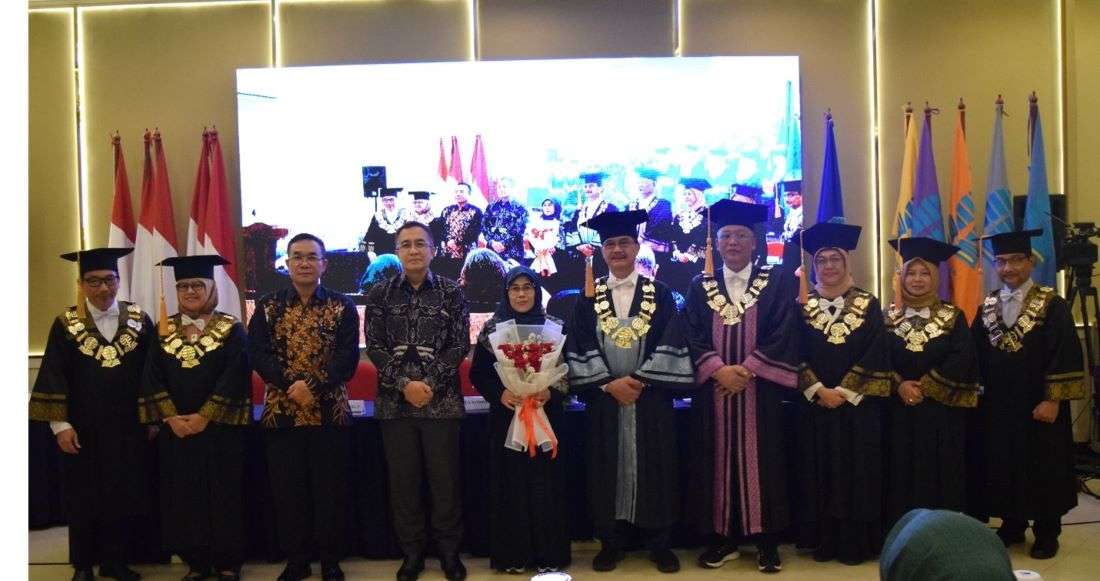

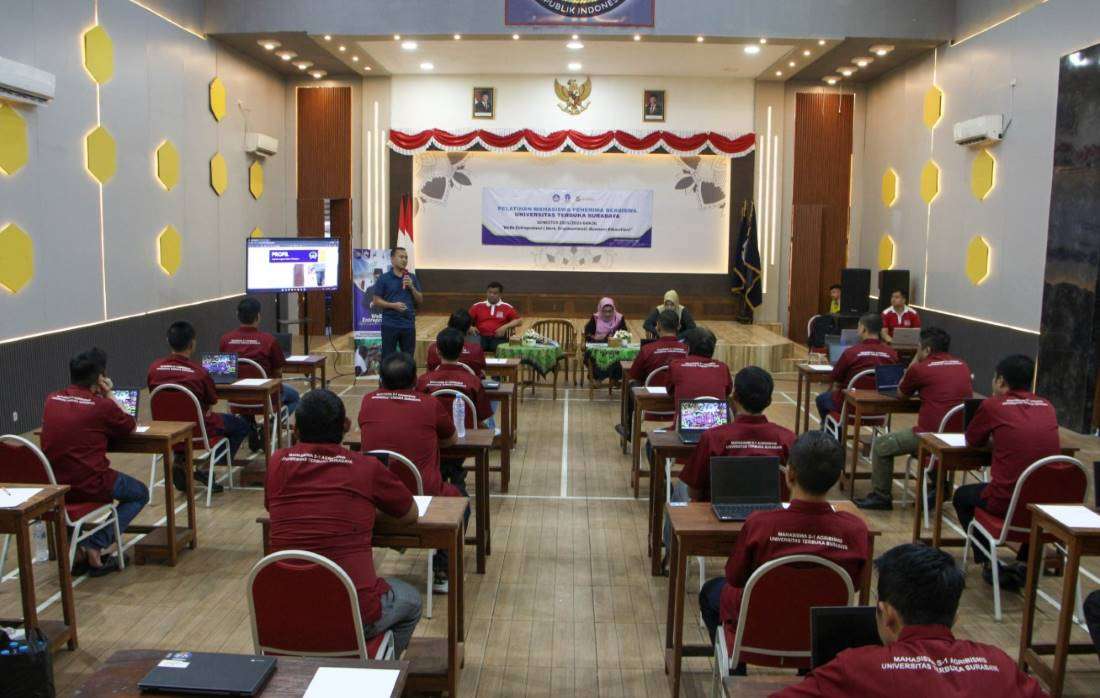
Behind the high walls of the Class I Madiun Penitentiary (Lapas), a glimmer of new hope is growing for the inmates pursuing higher education. On Saturday (September 27), the Saharjo Hall witnessed the implementation of an entrepreneurship training program titled WEBE ENTREPRENEUR (Work, Empowerment, Business, Education), a collaboration between Lapas Madiun and Universitas Terbuka (UT) Surabaya.
This training is aimed at inmates currently undertaking S1 (Bachelor’s) degree studies. It not only provides material on business fundamentals and developing business ideas but also encourages them to prepare for a more independent future upon their release.
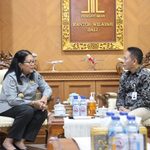
The Head of Lapas I Madiun, Andi Wijaya Rivai, affirmed that education is a crucial key in the rehabilitation process. “We want to equip the inmates with skills and knowledge they can use to build a better future. Education and training like this are a vital investment for the success of their social reintegration,” he said.
The program aligns with the Sustainable Development Goals (SDGs) set by the UN, particularly Goal 4 on quality education, Goal 8 on decent work and economic growth, and Goal 10 on reducing inequalities. By providing access to education and entrepreneurial training for inmates, the program contributes to efforts to create an inclusive, empowered, and just society. Through the empowerment of skills and knowledge, participants are expected to be able to break free from the cycle of poverty and social stigma, while building a more independent and productive future.
UT Surabaya also emphasized the importance of educational inclusivity. With the spirit of an “open university,” UT provides boundless access to learning, even within correctional institutions. This step simultaneously demonstrates how education can be a tool for real social change.
One participant, D.S., an S1 student currently serving his sentence, expressed gratitude for the opportunity. “I am very grateful to have this chance. Even while serving my sentence, I can still study and prepare myself for the future. This training gives me new motivation not to give up,” he revealed.
The enthusiasm of the participants affirms that education is not merely theory but also a driver of life. With entrepreneurial skills, the inmates have a greater chance of rising as productive individuals when they return to society.
This synergy illustrates how correctional institutions are no longer solely places for serving sentences but also spaces for rebuilding the future. UT’s presence reinforces that access to education must reach all levels of society, without exception. In a broader context, this move encourages the creation of a more inclusive, empowered, and just society.
The process resulting from this initiative is the opening of better social reintegration opportunities, the reduction of stigma against inmates, and the provision of practical and sustainable educational solutions. However, the challenges lie in program consistency, continued support after release, and how the community welcomes them back with open arms.
Regardless, this collaboration between Lapas Madiun and UT Surabaya sends a strong message: that education can penetrate any barrier, including prison bars.