
TANGERANG SELATAN – For social workers, professional certification is more than an administrative requirement. It serves as formal recognition of professional competence, helping improve service quality while expanding career opportunities. Responding to this need, Universitas Terbuka (UT) has established partnerships with Mindanao State University (MSU) and the Independent Professional Social Workers Association of Indonesia (Independen Pekerja Sosial Profesional Indonesia – IPSPI).
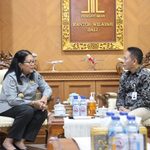
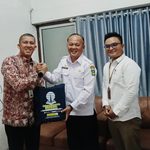
The cooperation agreements were signed at Universitas Terbuka on Friday (June 26, 2026). During the event, UT signed a Memorandum of Understanding (MoU) with MSU and a Memorandum of Agreement (MoA) with IPSPI. Both agreements represent UT’s commitment to strengthening international academic partnerships while expanding access to digital learning for professional competency development.
The collaboration with MSU focuses on strengthening academic cooperation, promoting open and digital learning, developing joint courses and training programs, advancing collaborative research and knowledge exchange, and supporting internationalization and lifelong learning. Meanwhile, the partnership with IPSPI is designed to enhance professional education and training, develop competency-based courses, implement certification programs, and strengthen the capacity of social workers through digital learning.
Universitas Terbuka Rector, Prof. Dr. Ali Muktiyanto, S.E., M.Si., described the collaboration as a historic milestone. According to him, the partnership between UT, MSU, and IPSPI is significant not only for the institutions involved but also for strengthening human resource development to compete in the global arena.
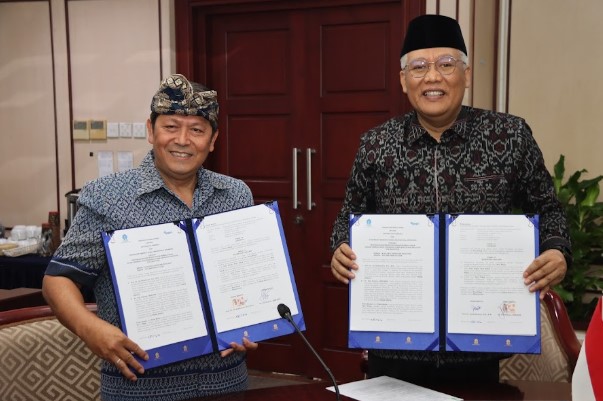
“Alhamdulillah, this morning we signed a historic collaboration between Universitas Terbuka, the Mindanao State University System, and IPSPI, the Independen Pekerja Sosial Profesional Indonesia. This is a very important tripartite collaboration for all of us, for a better Indonesia and a more advanced world,” said Prof. Ali.
Prof. Ali added that UT and the MSU System share the same commitment to providing quality higher education for society. Through this partnership, both institutions are expected to facilitate academic exchanges between Indonesia and the Philippines, strengthen collaborative research, and develop innovative learning models that address contemporary needs.
“We hope this collaboration will enable us to bring enlightenment to the world through quality higher education,” he said.
MSU System President Atty. Paisalin P.D. Tago, CPA, welcomed the partnership, describing it as an important step toward enhancing the capacity of both students and faculty members, particularly in research, innovation, and academic excellence.
“We warmly welcome the signing of this Memorandum of Agreement between our institution and Universitas Terbuka as a symbol of collaboration and partnership between our two universities,” he said.
According to him, the collaboration is expected to generate broad benefits for society through the advancement of knowledge, innovation, and the improvement of academic quality for both students and faculty members.
At the same time, the partnership with IPSPI brings a dimension that directly addresses community needs. IPSPI Chairman Dr. Puji Pujiono, MSW., RSW., emphasized that today’s social workers face not only fieldwork challenges but also the need for greater access to competency assessments and nationally recognized professional certification.
“The big question is: how do we reach every corner of Indonesia? Social work is already recognized as a profession under its own legislation, but it requires competency assessments and certification. To facilitate this process and reach prospective social workers across the country, collaboration with Universitas Terbuka through the ICE Institute is a strategic solution,” said Puji.
Through the ICE Institute, training programs for social workers will be delivered using a distance learning model. This approach ensures that access to learning is no longer limited to those living near training centers. Social workers across Indonesia will have greater opportunities to participate in training, enhance their competencies, and pursue professional certification.
“This is a major open online course initiative for social worker training,” Puji said.
Prof. Ali added that the credentialing collaboration through the ICE Institute is also expected to enhance the competencies of Indonesian workers, including Indonesian migrant workers. Stronger professional competencies will enable them to gain greater bargaining power both nationally and internationally.
“Our workers, especially Indonesian migrant workers, will have stronger bargaining power, allowing them to move beyond blue-collar positions and advance into white-collar professions,” Prof. Ali stated.
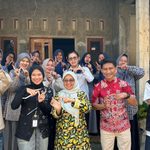
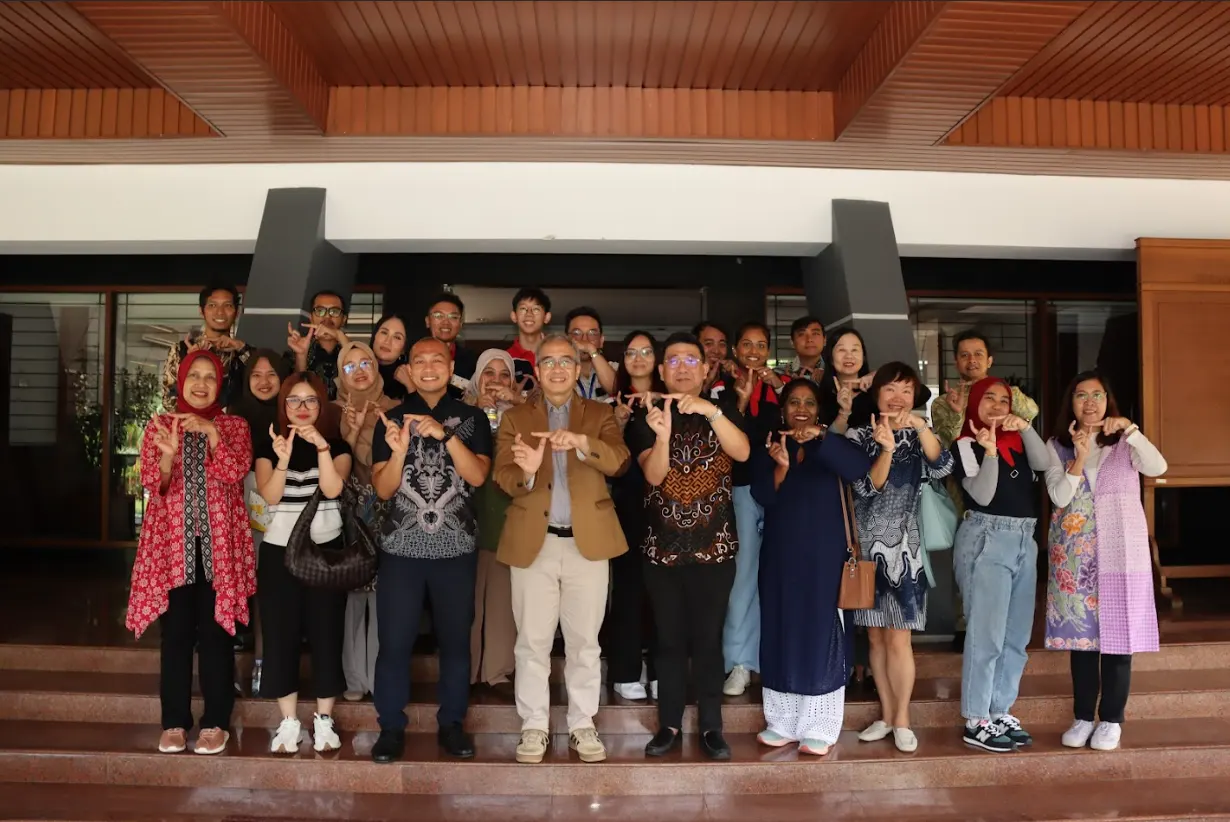
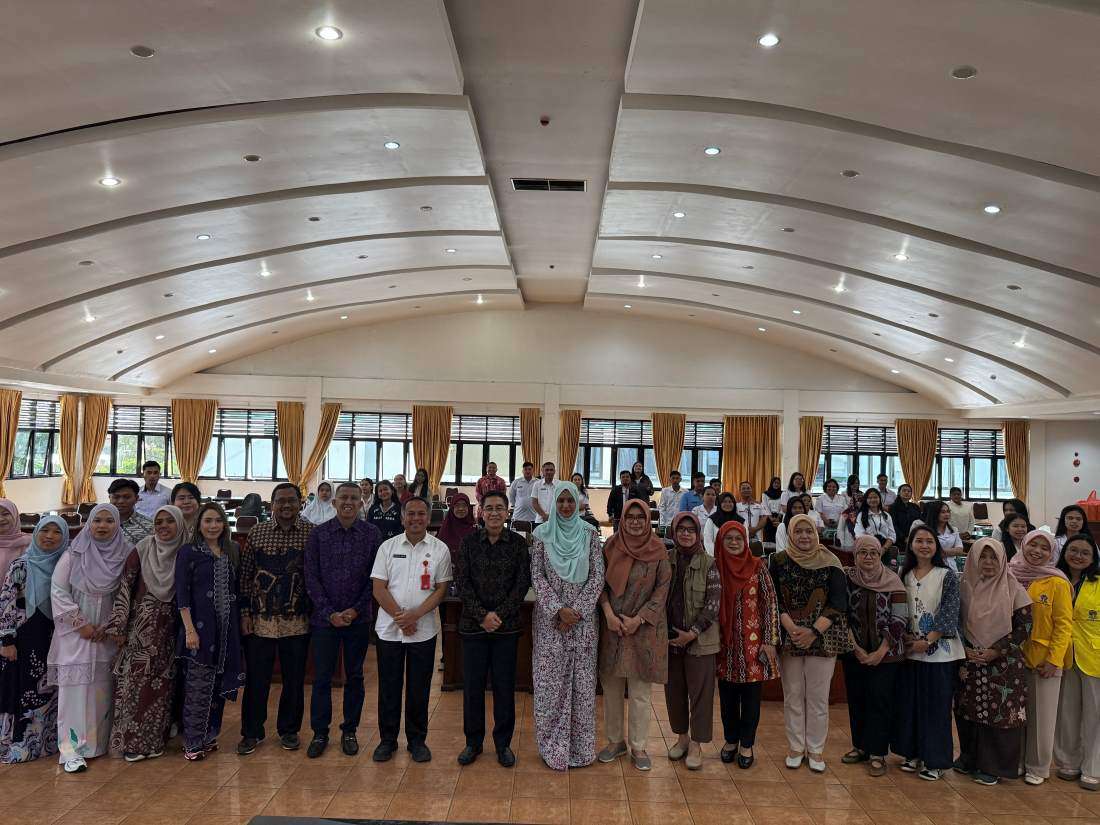
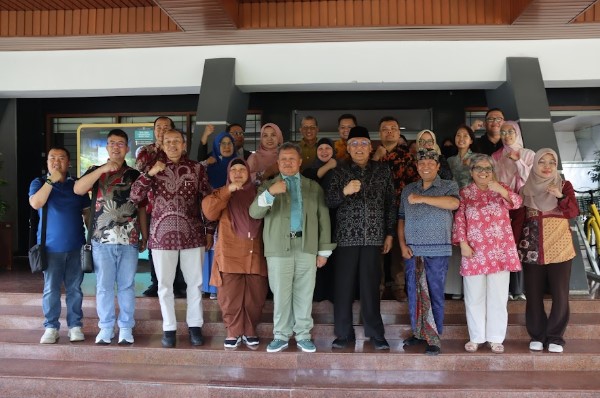
The event was also attended by UT Vice Rector for Research, Cooperation, and Business Dr. Hendrian, S.E., M.Si.; Dean of the Faculty of Economics and Business Dr. Meirani Harsasi, S.E., M.Si.; Vice Dean for Student Affairs, Learning Services, and Cooperation at the Faculty of Economics and Business Olivia Idrus, S.E., M.Sc.; and Head of the Indonesian Online Learning Development Unit Dra. Rahayu Dwi Riyanti, M.A. Delegations from the MSU System and IPSPI also participated in the signing ceremony.
Through this collaboration, Universitas Terbuka reaffirmed its commitment to supporting the Sustainable Development Goals (SDGs), particularly Quality Education (SDG 4), Decent Work and Economic Growth (SDG 8), Reduced Inequalities (SDG 10), and Partnerships for the Goals (SDG 17). From the signing ceremony at UT, one message emerged clearly: educational partnerships should not end with signed agreements. They must create broader learning opportunities, strengthen professional competencies, and open new pathways for people to grow and succeed.