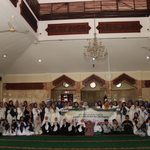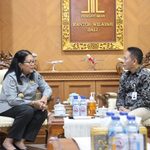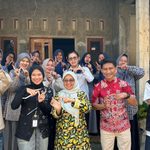

Jakarta, August 7, 2025 – Universitas Terbuka (UT) has officially signed a Cooperation Agreement (PKS) with the Directorate General of Vocational, Special, and Special Needs Education (PKPLK) of the Ministry of Basic and Secondary Education (Kemendikdasmen) of the Republic of Indonesia. The agreement launches a pilot program for Distance Learning (PJJ) at the secondary education level.
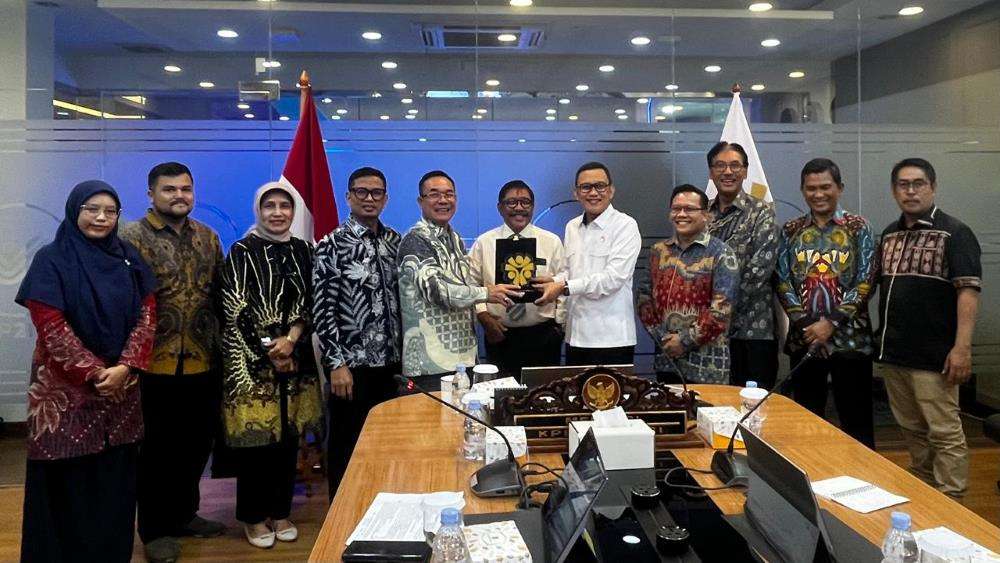
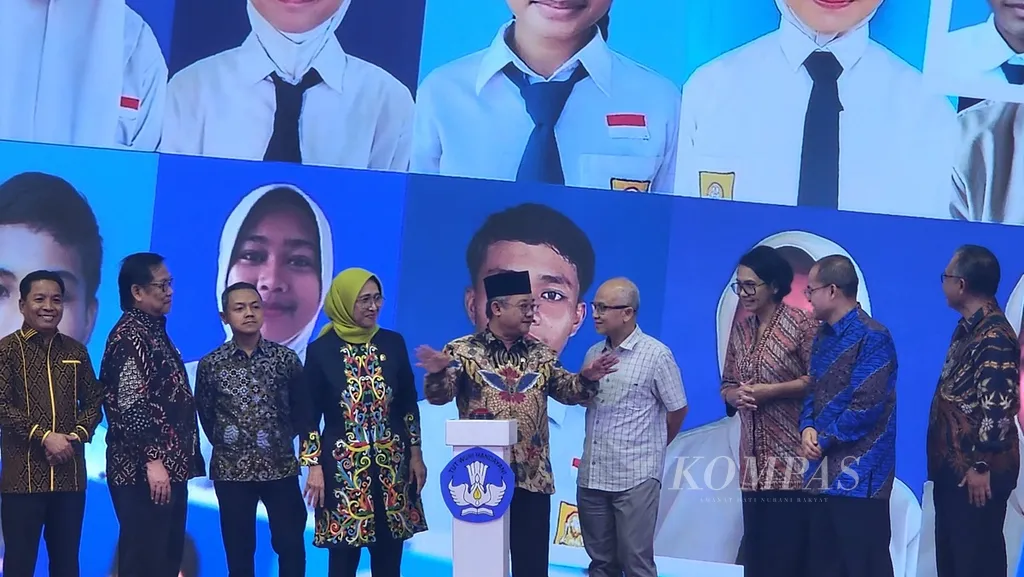
The signing was carried out by UT Rector, Dr. Mohamad Yunus, S.S., M.A., and Director General of PKPLK, Tatang Muttaqin, S.Sos., M.Ed., Ph.D. The event was witnessed by the Minister of Basic and Secondary Education, Prof. Abdul Mu’ti, M.Ed., and the Chairman of Commission X of the House of Representatives (DPR RI), Hetifah Sjaifudian. The ceremony took place at the Graha Utama, Building A, 3rd Floor, Kemendikdasmen, Jakarta, from 9:00 AM to 10:30 AM WIB on Thursday (August 7, 2025).
In his speech, the Minister of Basic and Secondary Education stated that the secondary-level PJJ scheme is a strategic step to expand access to education for Indonesian children, especially those living in disadvantaged areas and overseas communities. The program is designed to address national educational challenges in the digital and post-pandemic era. He emphasized that all Indonesian children have the right to equal and quality education, no matter where they are. The Chairman of Commission X of the DPR RI also expressed her support for this breakthrough as a concrete form of policy innovation that benefits vulnerable groups.
As the main implementing partner, Universitas Terbuka is trusted to develop the learning model, technology system, and quality evaluation mechanism for this pilot. UT, as a pioneer of open and distance higher education in Indonesia, brings extensive experience in online learning and is ready to adapt it for the secondary school level. For technical implementation, UT will collaborate with SMAN 2 Padalarang and SEAMOLEC to support curriculum development, teaching content, teacher training, and the provision of digital learning infrastructure.
The first phase of the pilot will begin at the Indonesian School in Kota Kinabalu (SIKK), Malaysia, which will be the first location for the program. Around 100 children of Indonesian migrant workers (PMI) at SIKK will be the initial participants. This location was chosen because it represents the real need for formal education access abroad, especially in Sabah and Sarawak, which are home to over 20,000 Indonesian children in Community Learning Centers (CLC). Additionally, this scheme also targets children in remote, frontier, and outermost regions (3T) who have historically been difficult to reach with conventional education systems.
This pilot program is part of a roadmap for secondary education transformation that will be expanded nationally starting in 2026. The government plans for each province to have at least one educational unit implementing this scheme, with a target of reaching 3,400 students by 2027. Local governments will also be involved in the management process so that this model can become a permanent part of the national education system. According to Tatang Muttaqin from the Directorate General of PKPLK, this scheme will implement hybrid learning and digital-based modules, along with strict quality monitoring, to ensure effective implementation.
Aligning with Sustainable Development Goals
UT’s involvement in this program shows the institution’s strong commitment to educational equity and strengthening the competitiveness of Indonesian human resources in the future. UT’s participation also aligns with its strategic role as an “Impactful Campus” and its contribution to achieving the Sustainable Development Goals (SDGs), particularly SDG 4 (Quality Education), SDG 10 (Reduced Inequalities), and SDG 17 (Partnerships for the Goals).
With the launch of this pilot, the Ministry of Basic and Secondary Education, together with Universitas Terbuka, affirms that quality education must be borderless—reaching all Indonesian children, including those abroad and in remote areas. This is a concrete step towards a more inclusive, flexible, and socially just education system.