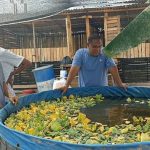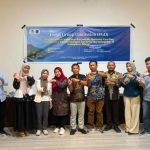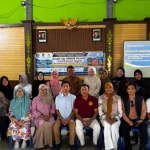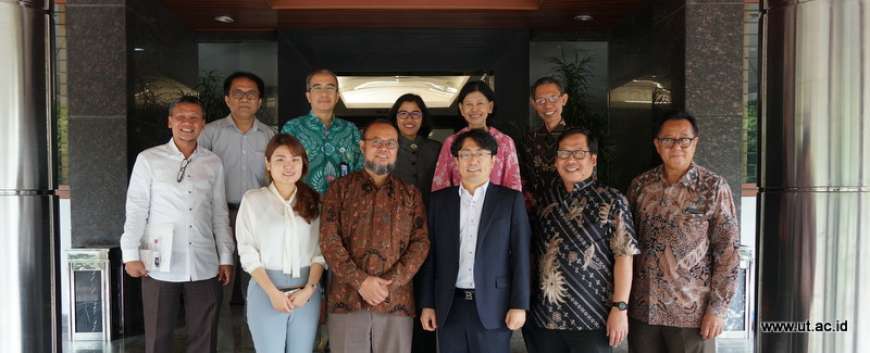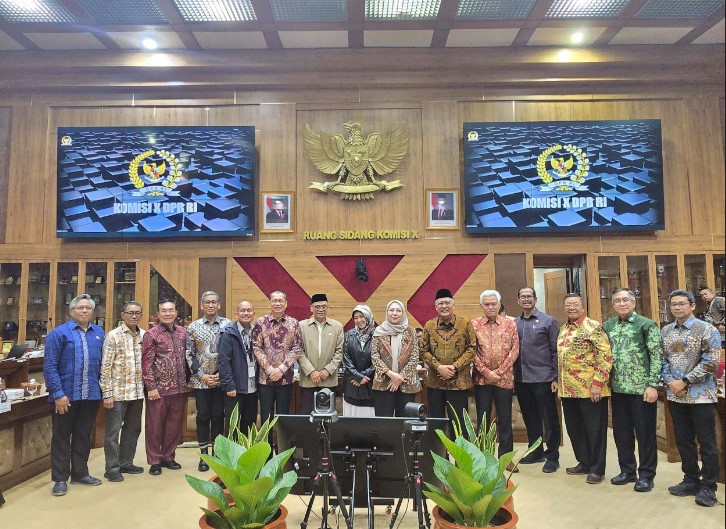

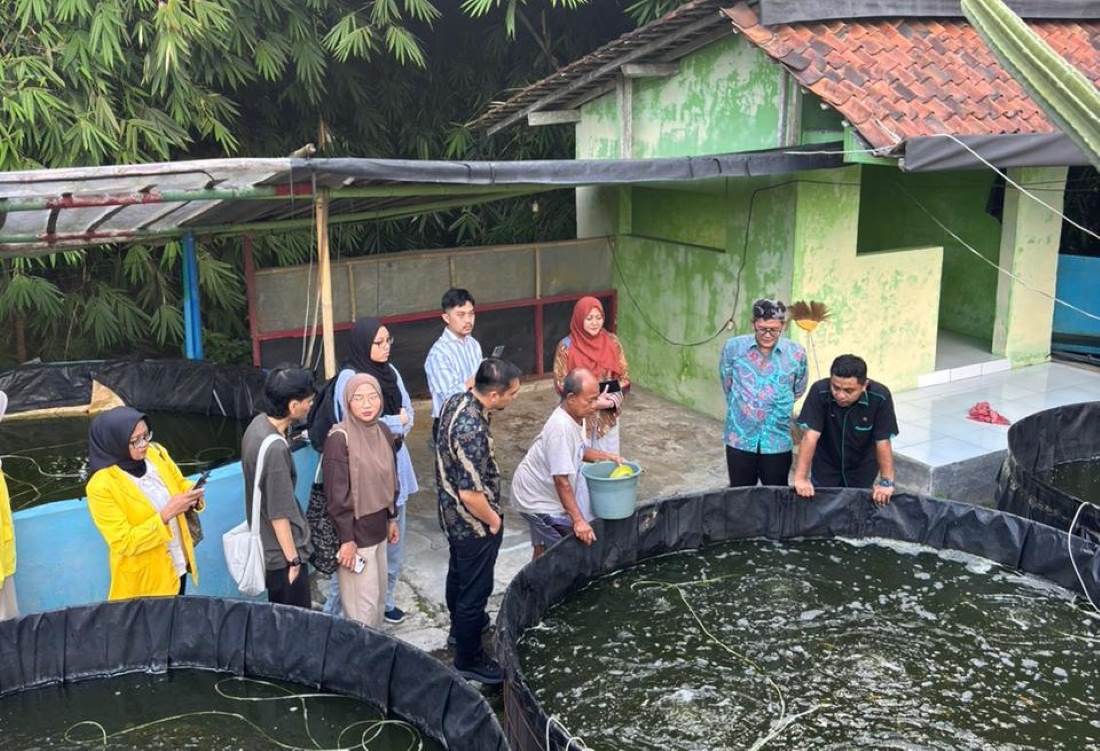
In Gumiwang Village, Banjarnegara, fish ponds transformed into open classrooms as students and academics from Indonesia and Malaysia gathered to observe real-world aquaculture practices on March 12, 2026. The activity highlighted how knowledge extends beyond classrooms into community-based learning.
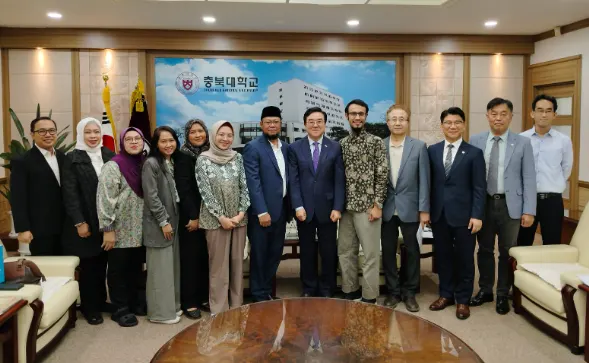
This initiative is a collaboration between International Islamic University Malaysia, Universitas Jenderal Soedirman (Unsoed), and Universitas Terbuka (UT) Purwokerto. It forms part of an internship program where international students gain hands-on experience with local fish farming groups (Pokdakan).
Participants explored the application of biofloc technology in tilapia farming, explained by local practitioners. The system uses beneficial microorganisms to process waste into natural feed, improving water quality, reducing feed costs, and enhancing fish health and survival rates.
The program fosters knowledge exchange between academics and local farmers while strengthening collaboration in developing sustainable aquaculture practices. It also reflects the role of higher education in supporting community empowerment, innovation, and sustainable development goals.
Through initiatives like this, international academic partnerships continue to create meaningful, real-world impact—bridging theory, practice, and community development.