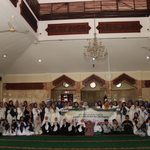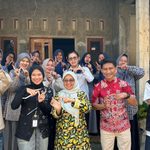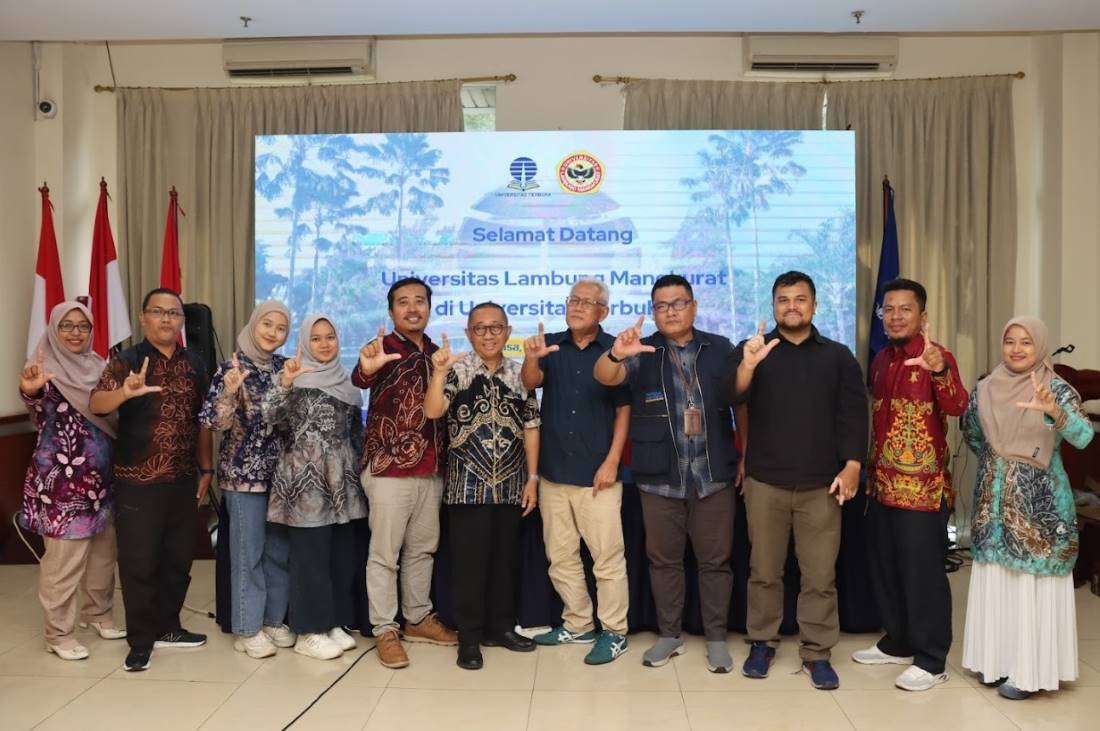

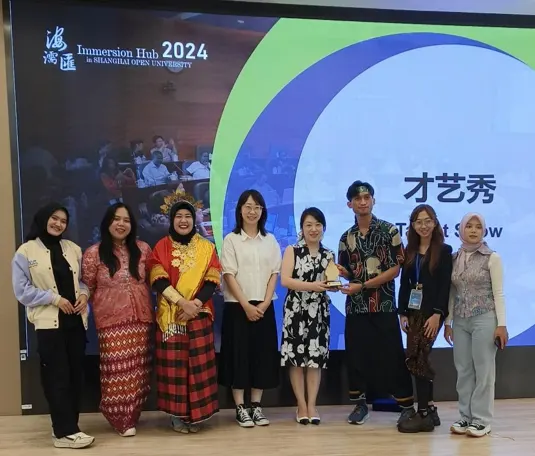
In a showcase of Indonesian cultural heritage, Universitas Terbuka (UT) held an international community service event at Shanghai Open University (SOU) on Tuesday, July 2, 2024. This event was part of the SOU Immersion Hub/Visiting Scholar program, highlighting the rich diversity of Indonesian culture. In today’s digital era, understanding and appreciating cultural diversity is crucial for strengthening international relations. Through this event, UT’s delegates hoped to broaden the participants’ insights and knowledge about Indonesia’s cultural diversity.
The UT delegation, led by Astri Dwi Jayanti S., M.Ed., Ph.D., a lecturer from the Master of Basic Education program at UT’s Graduate School. The students involved included Kevinanda Eka Saputra (Urban and Regional Planning student), Putri Anggraeni (English Literature student), Nurul Putri Ananda (Management student), Vanessa Eren (Communication student), and Dea Ayuni Nadzira (Law student). Each of them brought their unique backgrounds, showcasing the richness of Indonesian culture.
Themed “Indonesian Culture Talent Show,” the event began with an introduction to Indonesia, a country known for its thousands of islands and regions inhabited by hundreds of ethnic groups spanning from Sabang to Merauke. This diversity forms the foundation of Indonesia’s cultural wealth. In their presentation, the UT delegation explained the various ethnic groups, languages, and traditions in Indonesia, depicting the richness of cultural heritage that the country possesses. This introduction provided a comprehensive overview of Indonesia and emphasized the importance of cross-cultural understanding.
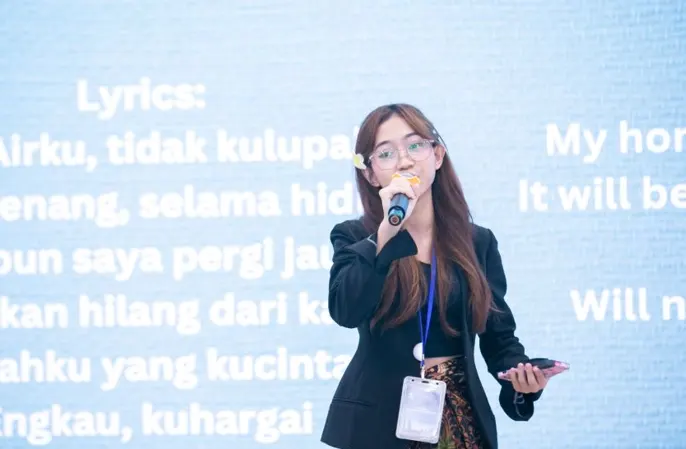
To demonstrate the unity inherent in Indonesian culture, the first performance began with the song “Tanah Air” sung by Dea Ayuni Nadzira with deep emotion in front of the international students and lecturers attending the event. The song “Tanah Air,” created by legendary Indonesian composer, Ibu Soed, expresses profound love for the homeland. This song not only invites listeners to remember the beauty of Indonesia’s nature but also evokes a sense of nationalism and pride as Indonesians. In this performance, Dea Ayuni Nadzira sang the song with heartfelt emotion, accompanied by music that added a solemn and touching atmosphere. The song was chosen for its meaningful lyrics that can evoke a sense of love for the homeland in the listeners’ hearts, creating an emotional and moving atmosphere.
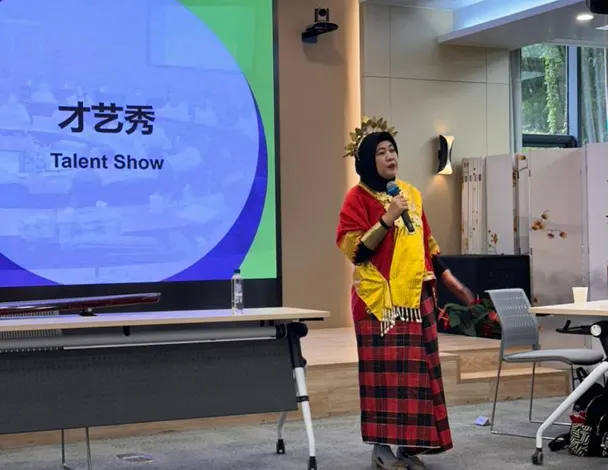
The second performance featured a fashion show from South Sulawesi by Astri Dwi Jayanti S., M.Ed., Ph.D. Baju Bodo, a traditional dress from the region, was displayed along with explanations about local food, traditional dances, cultural activities, and traditional houses from South Sulawesi. The brightly colored and elegant Baju Bodo reflected the grace and pride of South Sulawesi culture, while the accompanying explanation provided deeper insight into the life and traditions of the local community. It was also mentioned that Baju Bodo is one of the oldest dresses in the world still in use, symbolizing the noble values and pride passed down by ancestors.
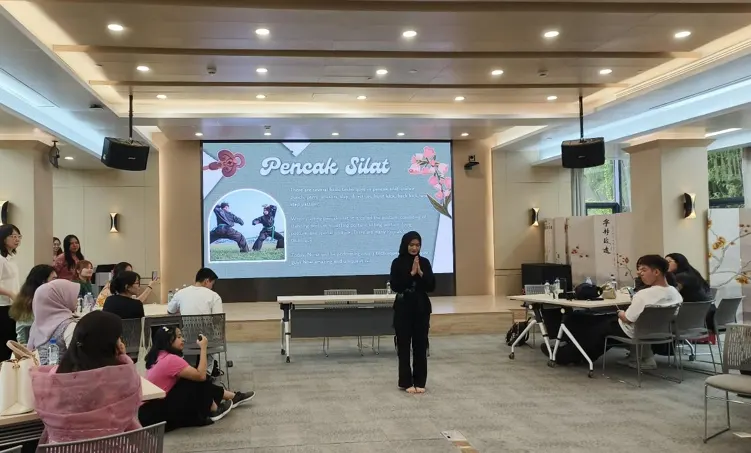
Next, Nurul Putri Ananda demonstrated the traditional Indonesian martial art known as Pencak Silat. With agile and powerful movements, Nurul showcased the beauty and dexterity of Pencak Silat, which is not only a martial art but also an important part of Indonesia’s cultural heritage. This demonstration not only showed martial arts techniques but also conveyed a deep life philosophy taught from generation to generation.
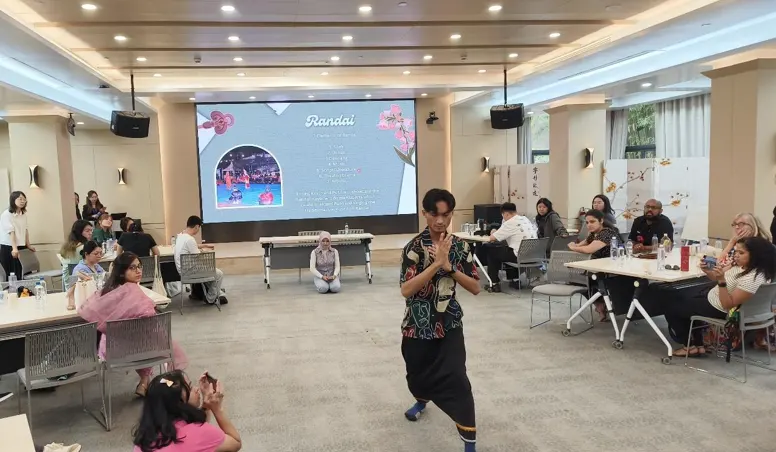
Kevinanda Eka Saputra and Putri Anggraeni then performed Randai, a traditional performing art from West Sumatra. Randai combines elements of storytelling, music, dance, and martial arts into a harmonious performance. The Randai performance they presented told folk tales in an interactive and dynamic way, reflecting the richness and diversity of West Sumatra’s culture. By wearing traditional clothing, they took the audience on a colorful journey through Minangkabau culture. Kevin and Putri also explained specific techniques in Randai, such as martial arts movements integrated into the dance, and the crucial role of music in setting the rhythm and emotion in the story. The audience was invited to engage in the performance in a fun and educational manner, highlighting the importance of collaboration and involvement in preserving and maintaining traditional culture.
Each performance was guided by Vanessa Eren as the moderator, who provided narrative explanations supported by a PowerPoint presentation. She added context and additional explanations to help the international audience understand the meaning and background of each performance, enriching the cultural experience presented. The moderator also facilitated an interactive Q&A session, allowing the audience to delve deeper into Indonesian culture and ask questions directly to the performers.
The event at Shanghai Open University provided an opportunity for UT students and lecturers to share their cultural heritage and fostered understanding and cultural appreciation among the international audience. This event emphasized the importance of cultural exchange in building global relationships and enhancing educational experiences.