
The profession of a Civil Servant (ASN) continues to be the primary choice for many Indonesians, with all the advantages it offers, such as a fixed salary, various allowances, and more stable future security. It is not surprising that whenever the selection for Civil Servant Candidates (CPNS) or Government Employees with Work Agreements (PPPK) opens, applicants from all over the country always fill the available quotas. This phenomenon shows that ASN is not just a job but is also considered a prestigious career that promises stability amid global economic uncertainty and increasingly complex labor market fluctuations.
According to the Chairman of the Indonesian Cross-Profession Association (PLPI), Nur Ajis, M.Pd., the opportunities for ASN recruitment in 2026 will be very large. This is because many new ministries and institutions have been formed, coupled with an increasing wave of retiring ASNs each year. With these conditions, it is predicted that many positions will open up for the younger generation to fill in various government agencies.
The high enthusiasm for ASN selection is also reflected in the efforts of many prospective participants who prepare seriously. Many follow online tutoring, form study groups, and even seek mentors to guide their steps. This phenomenon shows that ASN selection is not only seen as a recruitment for labor but also as a prestigious competition to achieve a stable and respectable career.
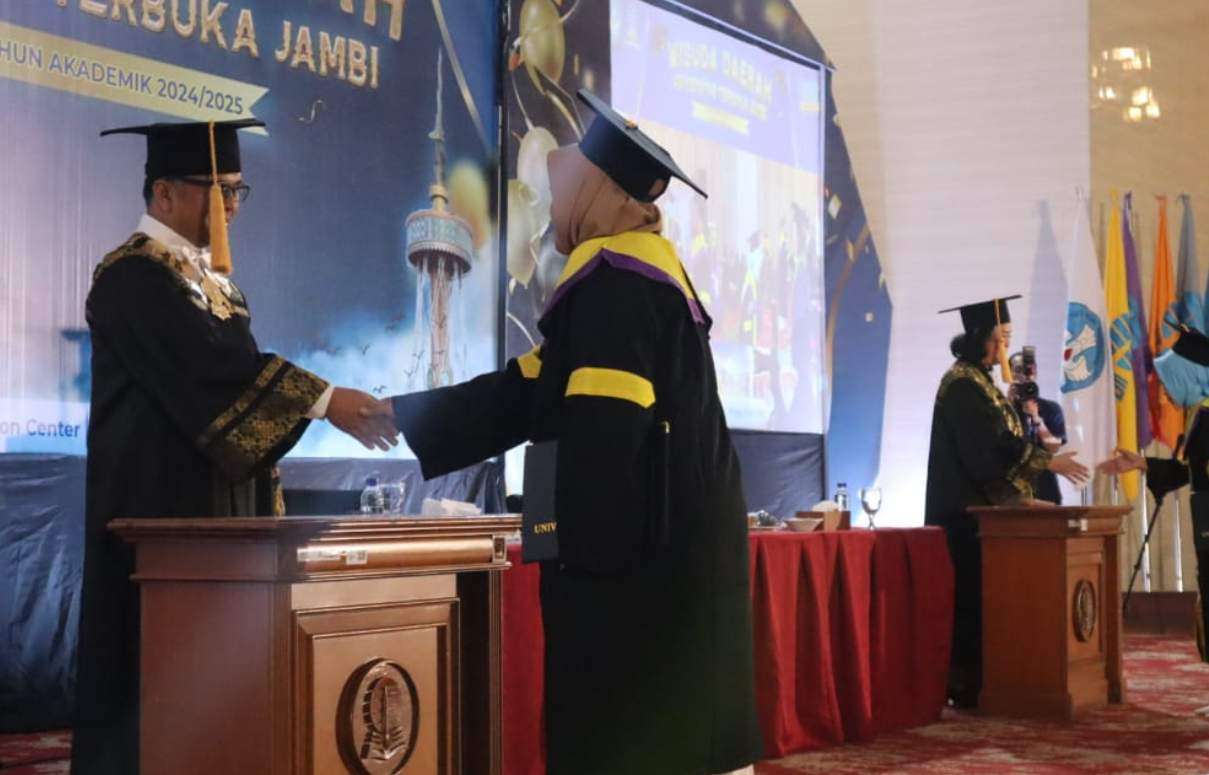
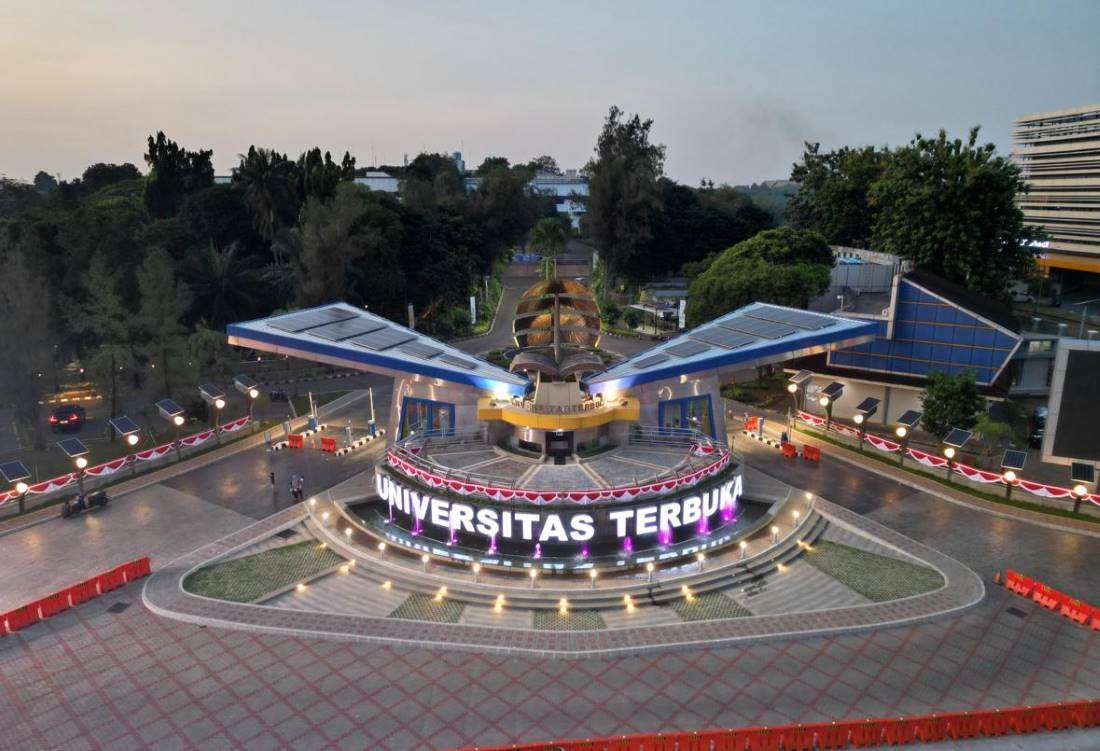
The role of higher education in preparing prospective ASNs cannot be underestimated. Universitas Terbuka (UT) is the higher education institution with the largest contribution in producing ASNs. To this day, UT has produced more than 9,400 people who have successfully passed the CPNS selection, making it one of the largest ‘ASN producers’ in Indonesia. This success is inseparable from the quality of education provided by UT, which allows its graduates to compete at a national level in the ASN selection.
Besides UT, other higher education institutions such as Universitas Gadjah Mada, Universitas Pendidikan Indonesia, and a number of other prestigious campuses also contribute to producing competent and ready-to-work graduates in the government sector. The success of these universities reflects the contribution of higher education in achieving the Sustainable Development Goals (SDGs), especially in Quality Education (SDG 4). Higher education institutions with good educational quality not only help produce competent graduates but also play a role in realizing a more effective and efficient government.
The phenomenon of increasing enthusiasm for ASN selection and the important role of higher education also brings a positive impact to society. The more open opportunities for higher education graduates to have a career in the public sector will create a more qualified and efficient government. With the regeneration of competent and skilled ASNs, the community will feel a positive impact on public services and the better achievement of national development goals.
However, to ensure that the selection process remains transparent, fair, and based on competence, the State Civil Service Agency (BKN) ensures that the CPNS selection always prioritizes the principles of transparency and objectivity. Therefore, success in the CPNS selection is highly dependent on thorough preparation, consistent study, and the right strategy in facing the exam.
With increasingly large opportunities, the 2026 CPNS selection is predicted to be a highly anticipated event for many higher education graduates, especially those from universities that have been proven to produce quality ASNs, such as Universitas Terbuka. Not only as a means of getting a job, this selection is also an opportunity to contribute directly to national development and realize a better government in the future.