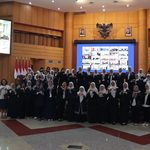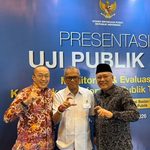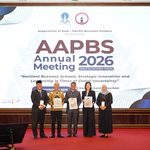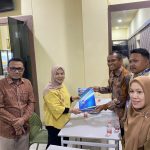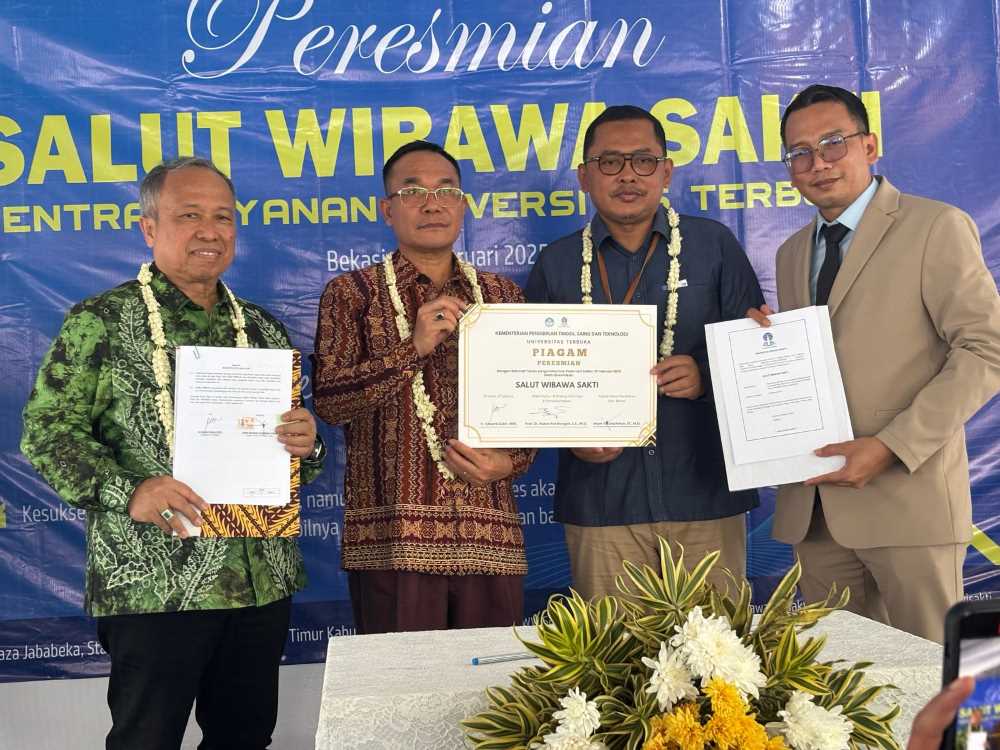
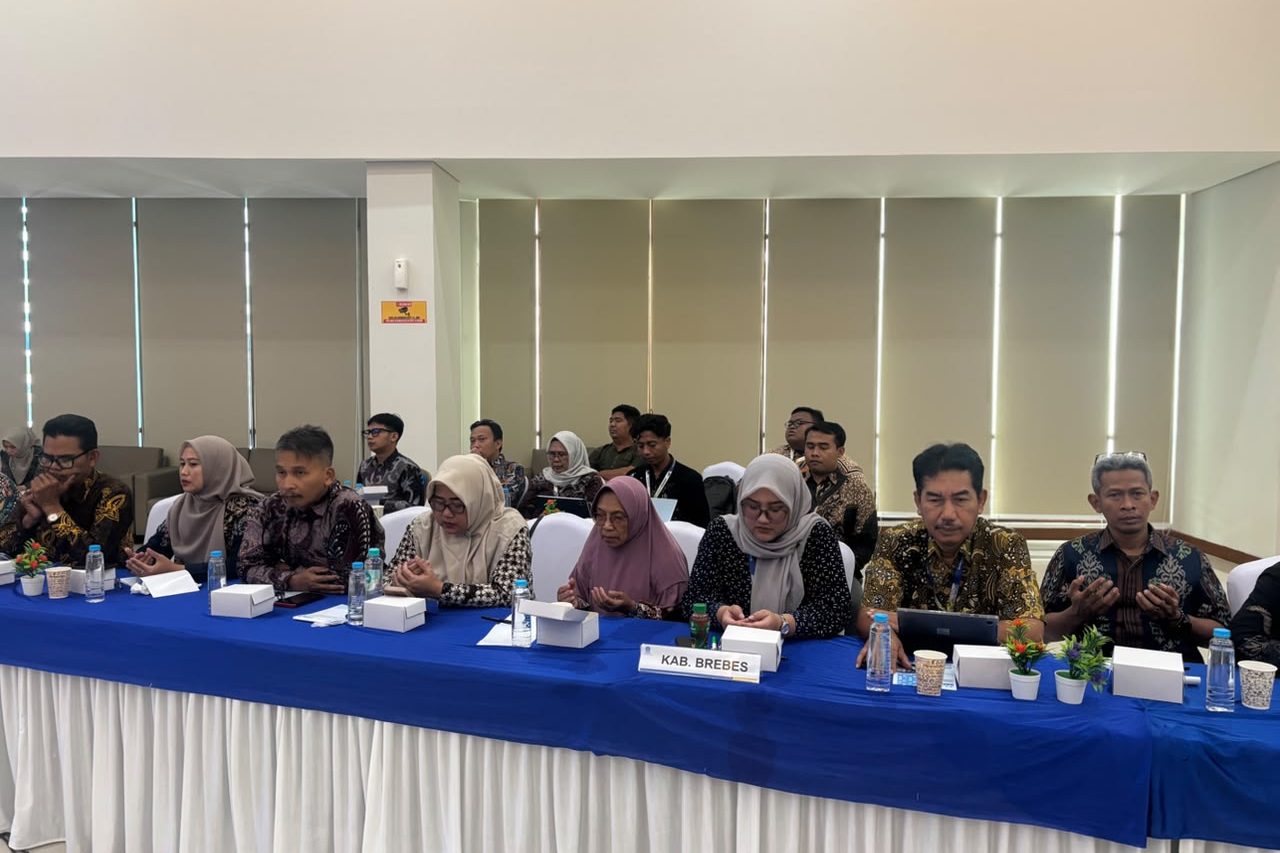
PURWOKERTO — How can students obtain accurate information without struggling to find answers? This question is one of the key considerations driving Universitas Terbuka (UT) Purwokerto to strengthen the quality of its Universitas Terbuka Service Centers (Sentra Layanan Universitas Terbuka or SALUT) through a Regional Coordination Meeting (Rapat Koordinasi Daerah – RAKORDA) held on October 17–18, 2026.
Under the theme “One Standard, One Spirit: Delivering Professional and Reliable UT Services,” the event served as an opportunity to evaluate performance, align service standards, and plan service improvements that better address students’ needs. Today’s students require not only accurate information but also easy-to-understand procedures and prompt responses.
These needs make the role of SALUT managers increasingly important. Students’ ability to navigate their studies is partly influenced by the quality of the information and guidance they receive. Therefore, RAKORDA provided a platform for managers to align their understanding and strengthen their ability to deliver professional and responsive services.
These efforts began with an understanding of UT’s service development direction. UT Purwokerto Director Dr. Prasetyarti Utami, S.Si., M.Si., delivered presentations on developments at Universitas Terbuka, optimizing SALUT’s role in achieving service excellence standards, and evaluating performance to deliver excellent services. Through these discussions, service quality improvement was positioned as an ongoing process requiring clear standards and regular evaluation.
In addition to development priorities, operational coordination was another key focus. Manager of Outreach, Registration, and Examinations Hendy Yudoko, S.P., discussed work priorities, student services, and stronger coordination. Discussions and planning for SALUT programs were also conducted with guidance from the respective Regional Coordinators (Penanggung Jawab Wilayah or PJW) to ensure that the programs developed were more focused and relevant to students’ needs in each area.
Beyond coordination and planning, managers also need to understand the academic information students require in their daily studies. Accordingly, Manager of Learning, Student Affairs, and Alumni Drs. Suhartono, M.Si., discussed student activities, tutorial implementation requirements, and important dates on the UT academic calendar. This knowledge equips managers to provide accurate information and help students plan their academic activities.
The need to align service standards is increasingly relevant given the extensive reach of UT Purwokerto’s service network. Currently, 43 SALUT centers operate across seven regencies and one city: Kebumen, Cilacap, Banjarnegara, Purbalingga, Banyumas, Brebes, Tegal, and Kota Tegal. This network serves as a link between UT and its students, particularly those who need access to services closer to where they live.
With this extensive coverage, the challenge is not merely to ensure that services are available but also to maintain consistent quality. One initiative to enrich managers’ experience involved sharing best practices from a SALUT center serving approximately 3,000 students and recognized for its good service. The center is supported by adequate facilities and infrastructure, as well as training on developments in artificial intelligence (AI).
This experience creates learning opportunities for other managers to improve services and strengthen their competencies. Although technology can make work more efficient, effective service still requires good communication, interpersonal skills, and concern for the challenges students face. In this way, the use of technology does not eliminate the human aspect of service delivery.
These efforts align with Sustainable Development Goal (SDG) 4 on Quality Education, particularly in supporting access to education and creating a better learning environment.
Ultimately, good service is not just about how quickly a process is completed but also about how easily students can obtain the assistance they need. Through aligned standards, stronger competencies, and the use of technology, the 43 SALUT centers under UT Purwokerto are expected to become increasingly effective partners in helping students pursue higher education.