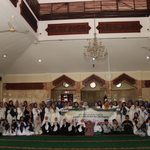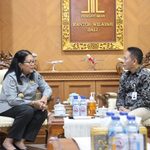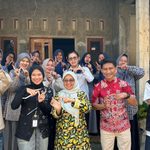

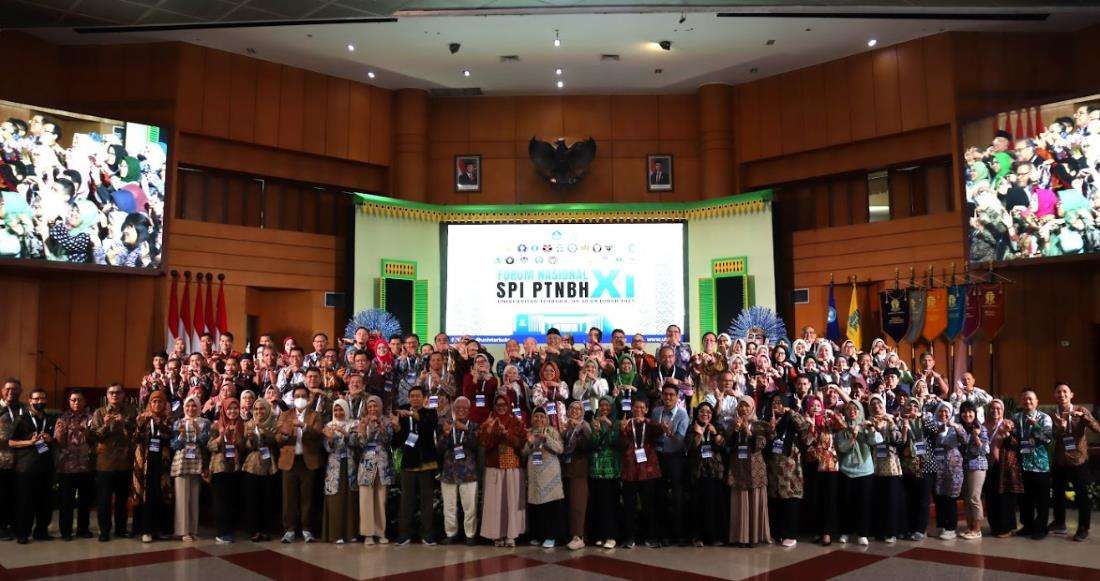
Tangerang Selatan, October 9, 2025 – A bright morning at the Universitas Terbuka Convention Center (UTCC), South Tangerang, witnessed the gathering of higher education governance activists from across Indonesia. A warm and enthusiastic atmosphere enveloped the main hall as Universitas Terbuka (UT) officially opened the 11th Plenary Meeting of the Internal Supervisory Unit (SPI) Forum of Legal Entity State Universities (PTNBH) 2025.
As the host, UT welcomed participants from 23 PTNBH institutions in Indonesia, all present to strengthen synergy and enhance the quality of internal supervision within legal entity state higher education. This forum serves as a strategic venue for internal supervisors to discuss, exchange experiences and best practices, and formulate supervisory steps that are adaptive to global changes and governance dynamics. The event was attended by the Chairman of the SPI PTNBH Forum, Dr. Ir. Wawan Oktariza, M.Si., QIA, Inspector I of the Ministry of Education, Culture, Research, and Technology (Kemendiktisaintek), Lindung Saut Maruli Sirait, S.E., Ak., M.Si., CFE., CFrA., CA., as well as UT leadership, including the Secretary of the Board of Trustees, the Audit Committee, and Vice Rectors.
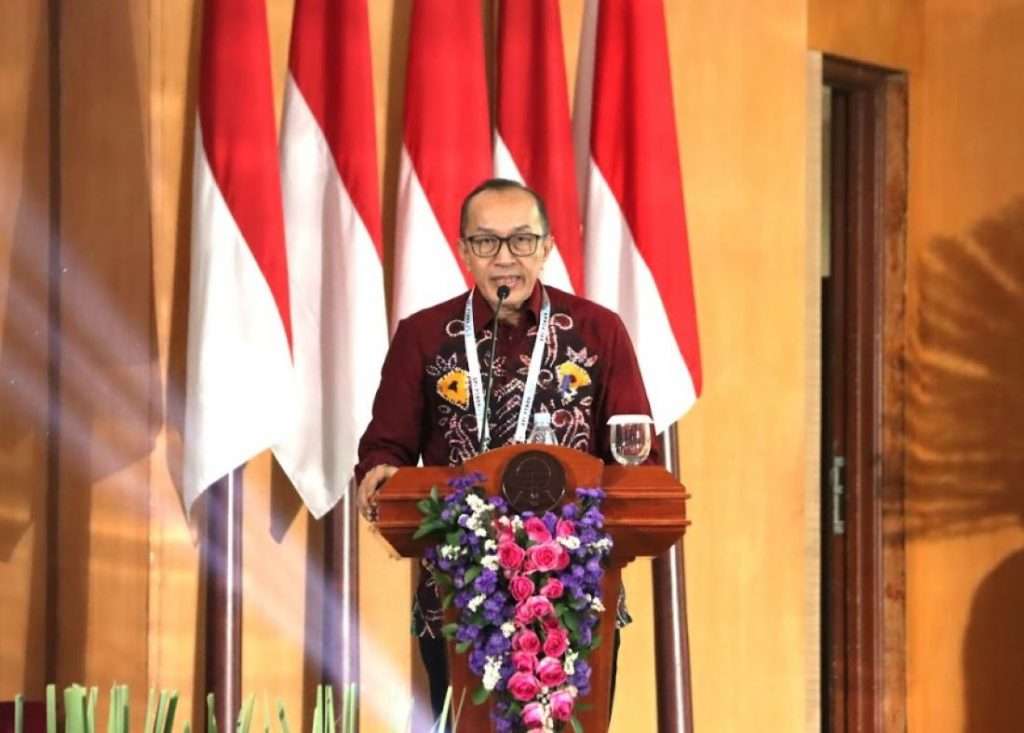
The event began with remarks delivered by the Head of the UT Internal Monitoring Office, Dr. Hendrian, S.E., M.Si., who stated that the forum is a strategic platform, especially in strengthening synergy among universities. “In this forum, we will discuss current issues, share experiences and good practices, and collaborate specifically regarding governance. The expectation is that this forum will generate steps and strategies, and of course, we are oriented toward continuous improvement,” Hendrian revealed.
In line with Hendrian’s message, the Chairman of the SPI PTNBH Forum, Dr. Ir. Wawan Oktariza, M.Si., QIA, also emphasized the importance of the forum. Wawan viewed the forum as more than just a gathering; it is a means for SPI to deepen its role in supporting accountability, transparency, and risk management within universities. Wawan also highlighted the strategic position and role of SPI in higher education. “SPI has a strategic role as a strategic partner to the leaders of each university, ensuring that all activities conducted at the university align with the university’s vision and mission and run efficiently, effectively, and transparently,” he concluded.
The event was officially opened by the Rector of Universitas Terbuka, Prof. Dr. Ali Muktiyanto, S.E., M.Si., who stressed the vital role of SPI in maintaining integrity and public accountability within the PTNBH environment. Prof. Ali conveyed that UT, which achieved PTNBH status in 2022, bears a great responsibility in managing resources efficiently, effectively, and transparently to achieve its mission and vision. “In this regard, internal supervision plays a vital role in ensuring that this management adheres to the principles of good governance,” he added.
Prof. Ali also mentioned that the challenge of internal supervision is becoming increasingly complex with regulatory changes and digital transformation. Therefore, the role of SPI is becoming even more vital as a strategic organ of the rectorate in ensuring governance that is transparent, efficient, and compliant with the principles of good university governance. Through this forum, the hope is for new collaborations to emerge among universities to strengthen the role of SPI in building public trust in PTNBH across Indonesia.
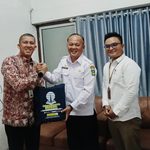
One crucial agenda item of the event was the signing of a Memorandum of Understanding (MoU) between the SPI PTNBH Forum and the Internal Audit Education Foundation. This cooperation is strategically valuable, especially in enhancing the Quality of Human Capital in Internal Audit within the SPI PTNBH Forum.
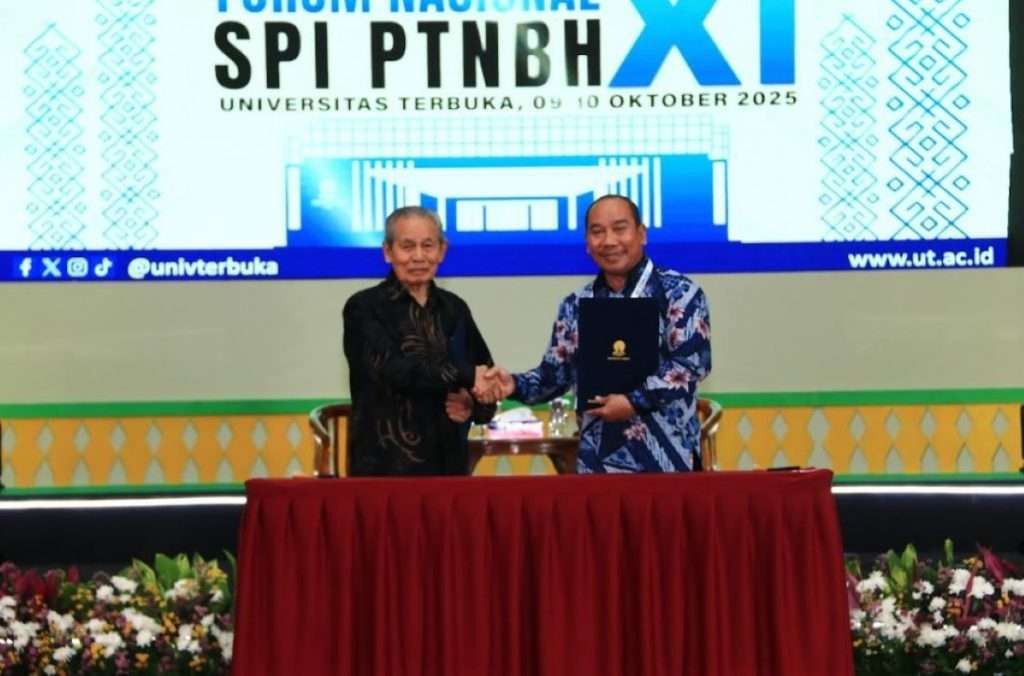
The MoU signing was witnessed directly by PTNBH leaders and ministry officials, marking a new chapter of inter-university collaboration to reinforce the national supervisory system. This step is a concrete manifestation of the spirit of synergy to create higher education institutions that are more resilient, adaptive, and trustworthy.
In addition to the MoU agenda, the forum included presentation sessions and panel discussions featuring speakers from Kemendikbudristek and PTNBH SPI representatives. Key topics discussed included:
- Business Continuity Management as a Pillar of PTNBH Resilience in Facing Global Uncertainty (Speaker: Dr. Alim Setiawan Slamet, S.TP, M.Si. – Vice Rector for Resource Resilience and Infrastructure, IPB)
- The Role of SPI in Strengthening Academic Integrity Culture in PTNBH (Speaker: Lindung Saut Maruli Sirait, S.E., Ak., M.Si.,CFE.,CFrA.,CA.)
- Implementation of GIAS 2024: Strengthening the Role of SPI in PTNBH Governance (Speaker: Mohamad Hassan, MAFIS, QIA, CRMP, CRMA, CA, CACP, CPMA, QGIA, QHIA, IIAP, GRCE)
As a university based on open and distance education, UT demonstrates a strong commitment to implementing the principles of transparency, accountability, and efficiency in every line of operation. This spirit aligns with Sustainable Development Goal (SDG) 16: “Peace, Justice, and Strong Institutions,” which emphasizes the importance of building strong and integrated institutions for sustainable development.
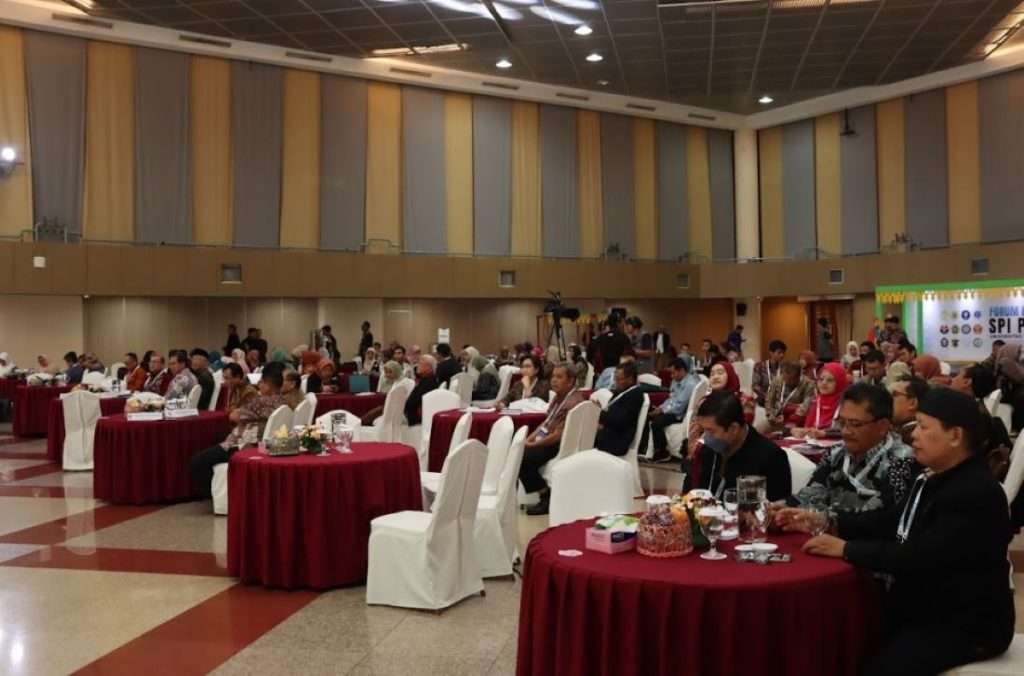
The 11th SPI PTNBH Forum 2025 is a tangible reflection of UT’s commitment to maintaining public trust in state higher education. From the UTCC, the spirit of integrity resonated—bringing together ideas, strengthening collaboration, and affirming that internal supervision is not just a control function but a concrete manifestation of moral responsibility to the nation.
Would you like to know more about the MoU signed during this event or the specific role of the Internal Supervisory Unit (SPI) in a PTNBH?