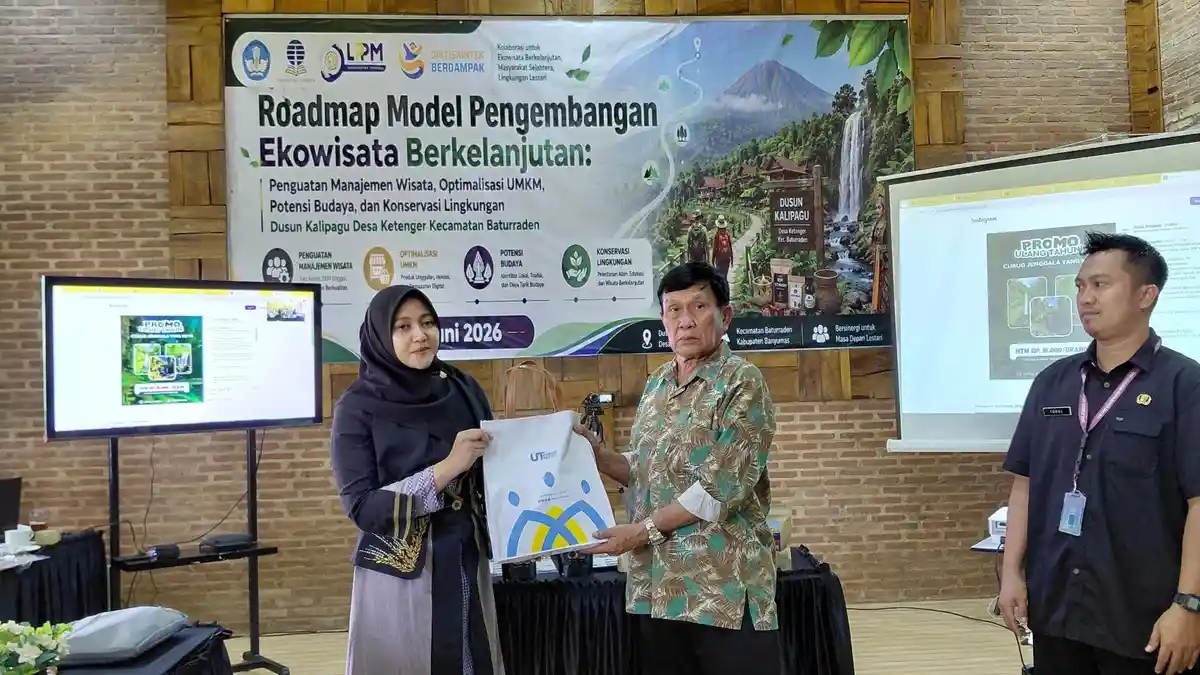

Bogor, June 25, 2025 – Universitas Terbuka (UT) once again demonstrates its commitment as an open higher education institution that not only excels in distance learning but also has a tangible presence in the community. This commitment is now realized through the national-scheme Community Service (PkM) program titled “Desa Binaan” (Fostered Village), implemented in Sukamakmur Village, Ciomas District, Bogor Regency, from June to October 2025.
This program is a concrete implementation of the “Kampus Berdampak” (Impactful Campus) spirit championed by UT in various higher education Tridharma activities. By involving four faculties simultaneously—Faculty of Economics and Business (FEB), Faculty of Law, Social Sciences, and Political Sciences (FHISIP), Faculty of Science and Technology (FST), and Faculty of Teacher Training and Education (FKIP)—UT has designed a series of activities based on the village’s local needs and potential.
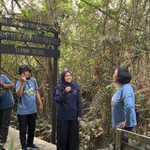
Sukamakmur Village itself boasts promising natural and economic wealth. Located at the foot of Mount Salak, the village is surrounded by four water springs managed by BUMDes Makmur Anugerah Lestari, and its community is engaged in small-scale industries such as sandal and shoe making, agriculture, and convection. However, this potential has not yet been fully maximized. This is the main focus of UT’s PkM program—helping the community develop local potential to be more empowered and sustainable.
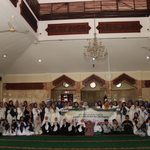
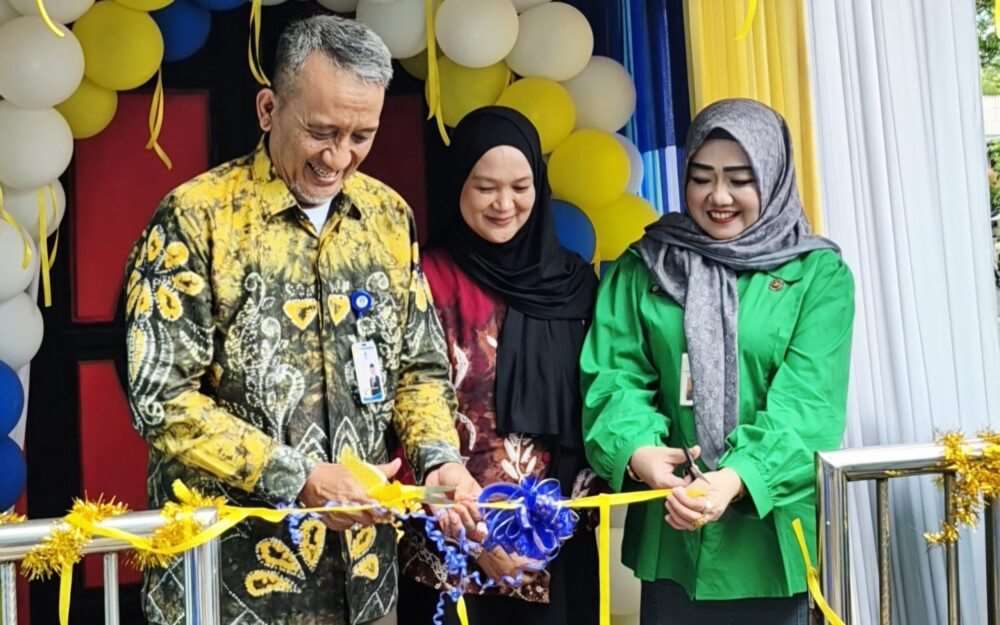
“This PkM activity is a concrete synergy between the campus and the community. We want to bring about social transformation that starts from the village,” said Dr. Heriani, S.IP., M.A., Head of the Community Service Center at LPPM UT, at the opening ceremony held at the Sukamakmur Village Head’s office on June 26, 2025.
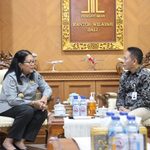
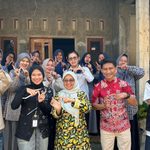
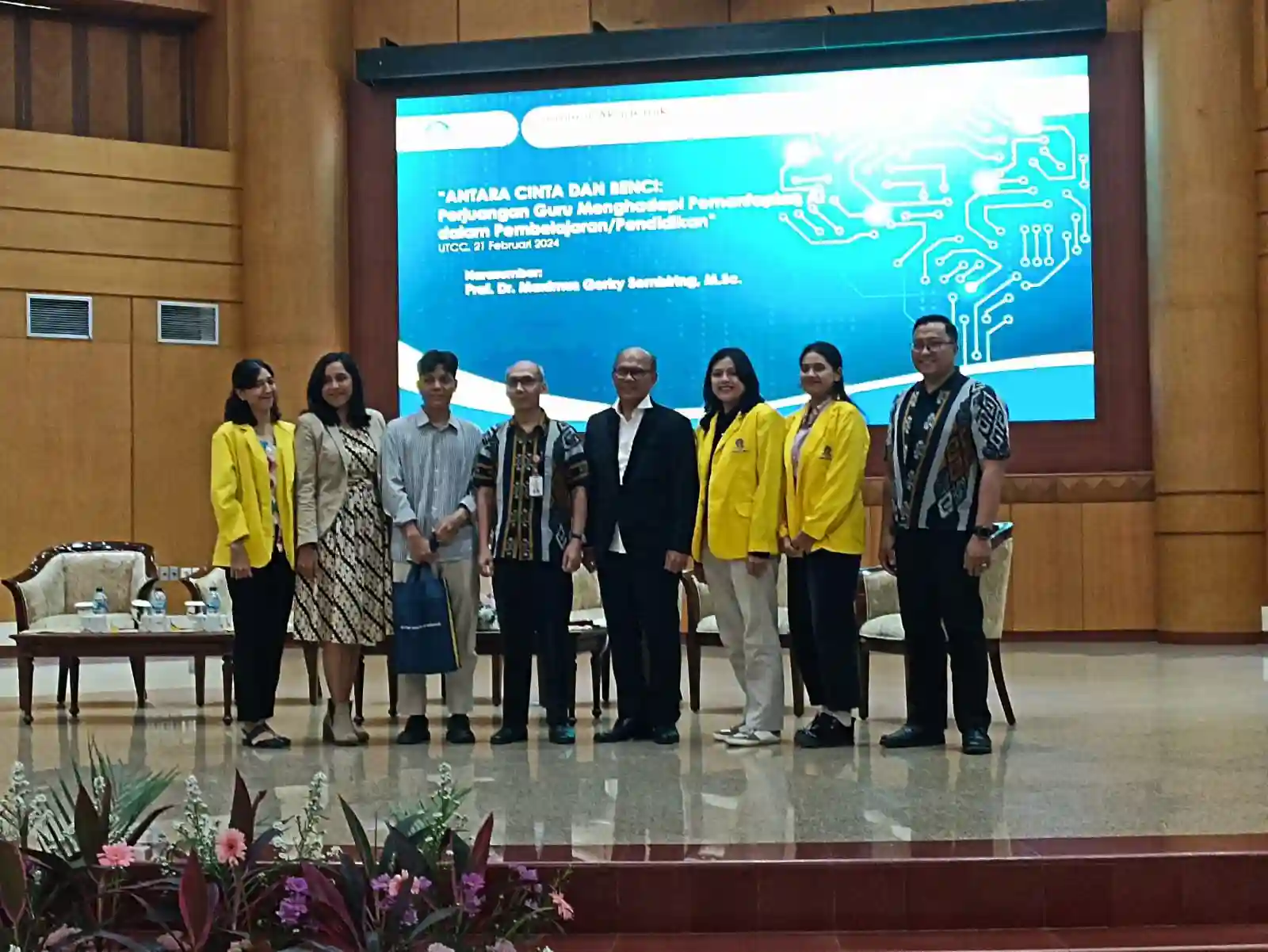
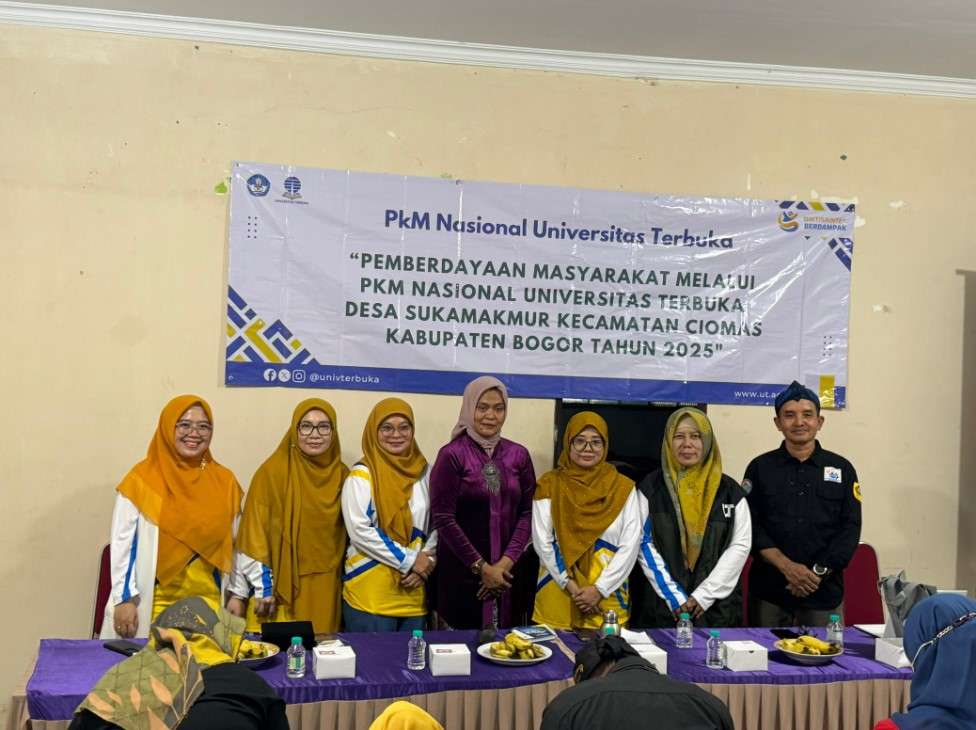
On this occasion, Heriani was accompanied by the Vice Dean for Student Affairs, Learning Services, and Cooperation at FKIP, Dr. Mukti Amini, M.Pd; the Vice Dean for Finance, Resources, and General Affairs at FHISIP, Yanti Hermawati, S.Sos.I., M.Si; the Vice Dean III of FST, Prof. Dr. Dewi Juliah Ratnaningsih, S.Si., M.Si; and the Coordinator of the Sukamakmur Village PkM, Irmawaty from the Faculty of Economics and Business (FEB). From the Desa Binaan, the Head of Sukamakmur Village, Sri Widiarti, and the Director of Sukamakmur Village-Owned Enterprise (Bumdes), Mad Yusep Udin, as well as several PKK cadre mothers of Sukamakmur Village, were present.
Each faculty brings specific contributions. FEB focuses on branding packaged drinking water sourced from the village’s PAM, owned by Bumdes. FHISIP conducts training on optimizing social media for digital marketing for sandal and shoe MSMEs. FKIP organizes positive parenting training for parents, teachers, and teenagers, while FST develops hydroponic farming systems and food processing based on local ingredients.
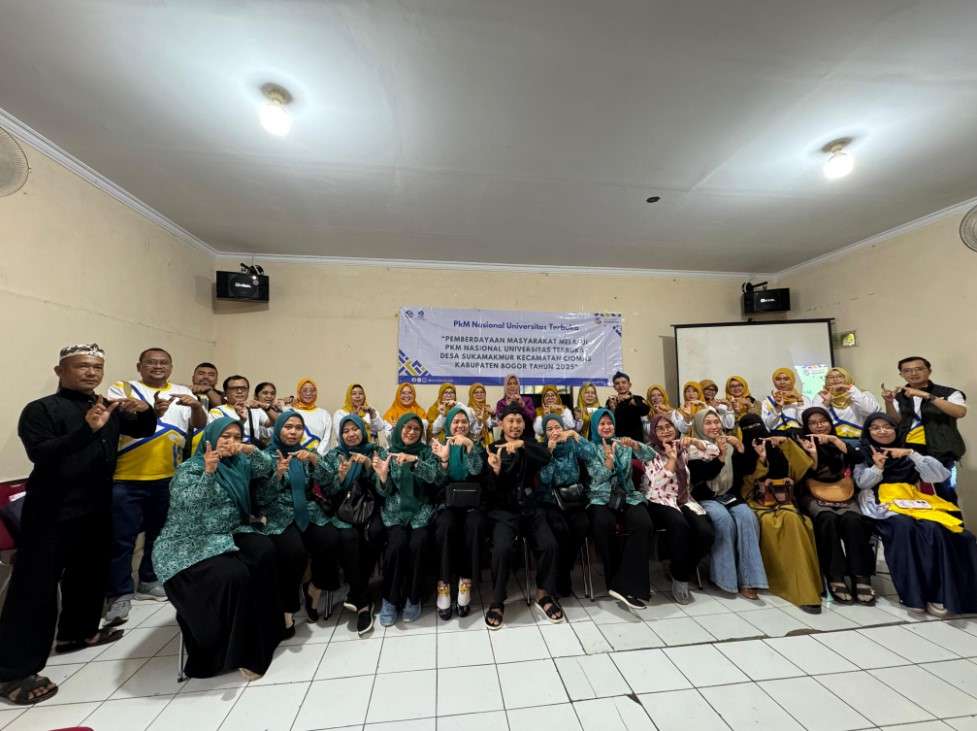
The Head of Sukamakmur Village, Sriwidiarti, SIP, expressed her appreciation for the synergy established. “We are grateful to be a partner of UT. This program is very helpful and can motivate residents to continue to grow,” she said.
Meanwhile, Bumdes Chairman Mad Yusep Udin added that UT’s involvement brings new energy to the development of local businesses. “We are ready to maximize existing potential. Support from UT encourages us to be more confident in developing local businesses to be more widely known,” he stated.
This program not only aims at strengthening community capacity but also serves as a direct learning tool for UT students involved in the PkM implementation team. By going into the field, they gain concrete experience in integrating knowledge with social practice, while strengthening the values of community service as an inseparable part of higher education.
This step by UT is in line with its grand vision as a “Kampus Berdampak”, meaning a higher education institution that not only provides academic services but also acts as a driver of social change through collaboration with the community. This concept becomes increasingly relevant in the digital and post-pandemic era, when higher education institutions are required to be more adaptive, solution-oriented, and focused on real community needs.
Through this “Desa Binaan” activity, UT proves that open higher education can reach even remote areas and make measurable contributions. Not only does it open up the widest possible access to education, but UT also paves the way for community empowerment towards a more independent, prosperous, and sustainable future.
With a spirit of collaboration and usefulness, UT invites the younger generation to not only learn from books but also from real life. Because that is where knowledge comes alive, and the campus truly makes an impact.