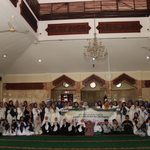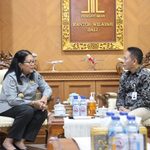

South Tangerang — Universitas Terbuka (UT) held a Fit and Proper Test for Dean Candidates of the Faculty of Economics and Business (FEB) for the 2026–2031 term on Thursday, 8 January 2026. The forum marked a strategic moment to shape FEB UT’s direction over the next five years, focusing on the future of distance-based economics and business education.
The session was attended by UT Rector Prof. Dr. Ali Muktiyanto, Vice Rector for Academic Affairs Prof. Rahmat Budiman (also a member of the selection committee), and Vice Rector for Finance, Resources, and General Affairs Adrian Sutawijaya, along with the selection committee, faculty leaders, lecturers, and staff, both onsite and online.
Selection Committee Chair Prof. Dr. Ginta Ginting explained that the process followed the end of the previous dean’s term. From 11 eligible lecturers, three candidates confirmed their candidacy: Dr. E. Andriyansah, Dr. Joko Rizkie Widokarti, and Dr. Meirani Harsasi.
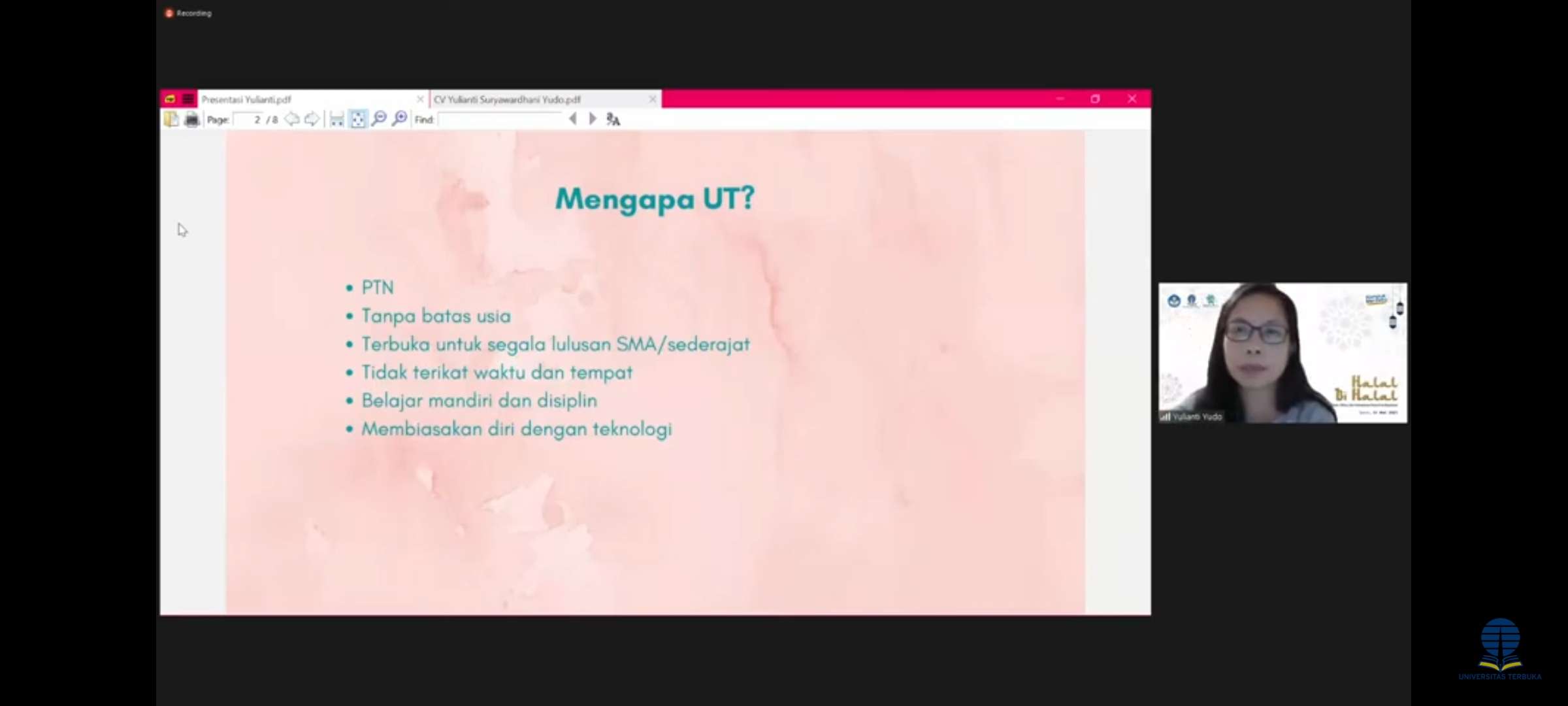
Beyond administrative procedures, the forum allowed candidates to present their visions, covering academic reputation, internationalization, learning transformation, student services, digitalization, and modern governance. Despite differing approaches, all shared a common goal: making FEB UT relevant, adaptive, and impactful.
Rector Ali Muktiyanto emphasized that UT must move beyond being known merely as a distance university to becoming a leader in high-quality Open and Flexible Distance Learning. He highlighted FEB’s strategic role in producing graduates who are work-ready, graduate on time, and advance professionally, supported by strong distance-learning pedagogy.
UT also encouraged research and community engagement that deliver real societal and industry impact, aligned with the Sustainable Development Goals (SDGs)—particularly SDG 4 (Quality Education), SDG 8 (Decent Work), SDG 9 (Innovation), and SDG 17 (Partnerships).
The fit and proper test serves as a crucial first step to ensure FEB UT’s future leadership is not only procedurally sound, but also visionary and impactful for the university and the wider community.