
TANGERANG SELATAN — An excellent accreditation rating is not the end of a higher education institution’s journey. Behind the rating lies work that must continue: ensuring better governance, fostering a quality culture in everyday practice, and keeping graduates’ competencies relevant to changes in the world of work.
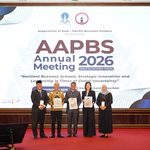
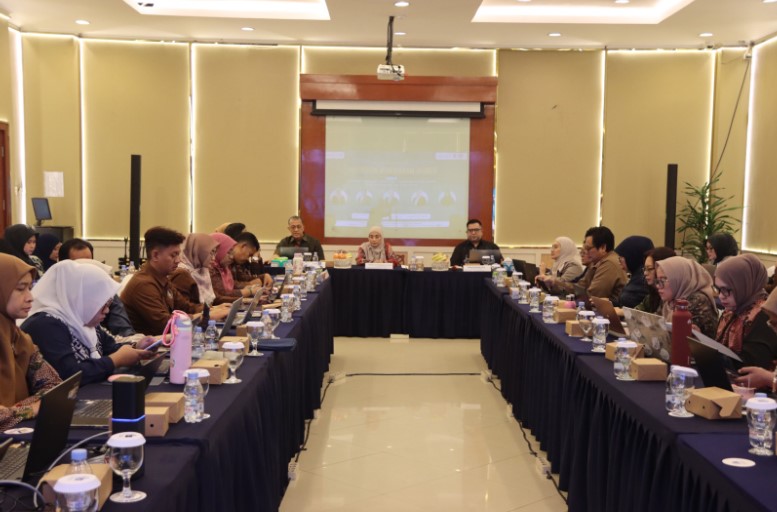
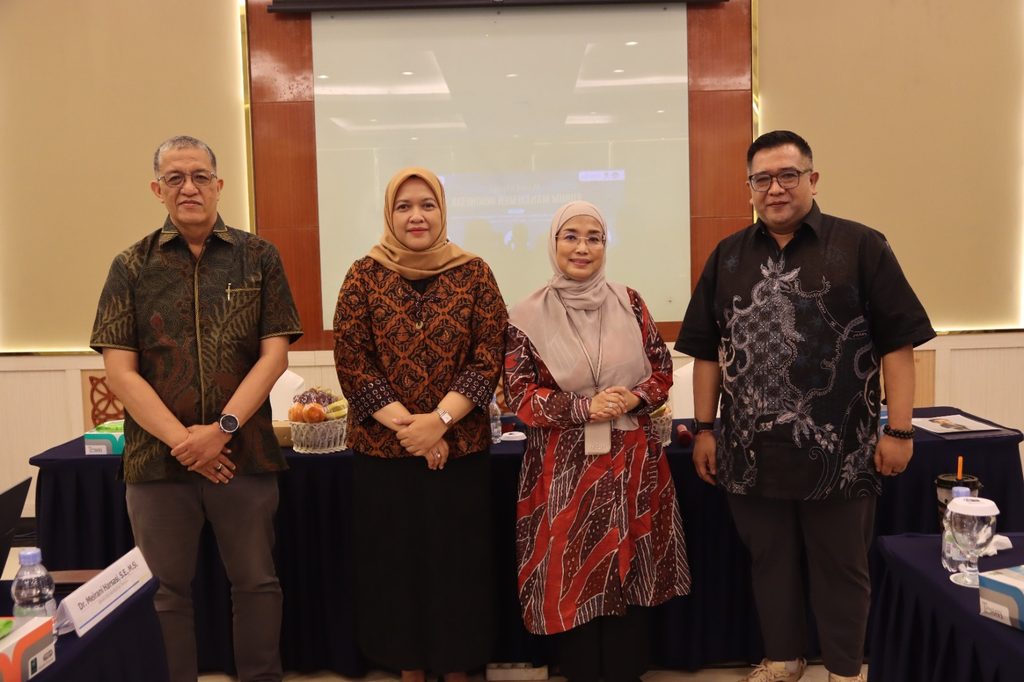
This message emerged at the Forum Manajemen Indonesia (FMI) Banten Regional Workshop held at Wisma 2, Universitas Terbuka (UT), on Wednesday (September 23, 2026). Carrying the theme “Strategies for Achieving Excellent Accreditation through Strengthening Governance, Quality Culture, and Impactful Performance,” the event served as a forum for higher education institutions to share experiences and best practices in strengthening the quality of higher education.
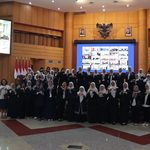
The workshop was attended by 17 higher education institutions from Banten and surrounding areas. Around 60 participants from the fields of economics, management, and business took part in discussions on challenges and strategies for developing study programs. Chair of FMI Banten Regional Area and Dean of the Faculty of Economics and Business at UT, Dr. Meirani Harsasi, S.E., M.Si., said the forum was expected to strengthen a shared spirit among higher education institutions to improve the quality of their study programs.
“So, even if our colleagues eventually achieve an excellent rating, it should not merely exist on paper. So, although we are still young, our spirit is to move toward that goal in an even better way together,” Meirani said.
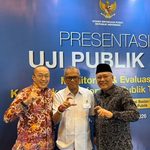
Chair of the Executive Board of LAMEMBA, Prof. Dr. Ina Primiana, S.E., M.T., then highlighted one important word in the event’s theme: “impactful.” According to her, the success of a study program does not stop at producing graduates but also needs to be assessed based on graduates’ ability to enter and contribute to the world of work.
This condition requires higher education institutions to continuously update their curricula so they remain relevant to changes in industry. Developments in technology and artificial intelligence (AI), for example, are also changing the types of jobs in demand, requiring study programs to understand what competencies need to be prepared for students.
“This means that capabilities are needed from those of you in study programs or faculties who are constantly in contact with the industrial world,” Ina said.
She also emphasized the importance of each study program’s distinctiveness in formulating graduate learning outcomes (GLO). Competencies that are too general may result in graduates having similar profiles, making it necessary to strengthen the characteristics and advantages of each study program.
During the workshop, Ina also explained LAMEMBA’s approach through the strengthening of the Internal Accreditation Unit (IAU). This approach is intended to build a quality culture throughout the educational process rather than preparing for it only when the accreditation period approaches.
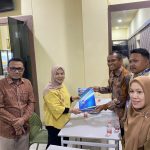
The event continued with a Sharing Session entitled “Towards an Excellent Study Program,” featuring Vice Dean I of the Faculty of Economics and Business at Universitas Sultan Ageng Tirtayasa, Tri Lestari, S.E., M.Sc., Ph.D., Ak., CA, and Secretary of the UT Academic Senate, Dr. Ami Pujiwati, S.E., M.Si. The session discussed experiences and strategies for study program development, strengthening academic quality, and building a sustainable quality culture.
Ultimately, an “excellent” rating remains important, but the work of maintaining quality does not end when the rating is achieved. When governance is strengthened, curricula continue to respond to changes, and a quality culture is embedded in everyday practice, accreditation becomes part of a larger process: ensuring that higher education remains relevant and that its graduates are able to make meaningful contributions.
It is from this point that the “impactful” message of the FMI Banten workshop finds its meaning: quality is not something prepared only in anticipation of accreditation but something that is built every day.
This spirit is in line with SDG 4 on Quality Education, particularly in promoting improvements in the quality of higher education, as well as SDG 17 on Partnerships for the Goals through strengthened collaboration among educational institutions.