SERANG – For social service institutions, conveying information is no longer sufficient through conventional methods alone. As people increasingly engage with digital spaces, the ability to manage content and social media has become an important part of expanding service reach while maintaining program sustainability.
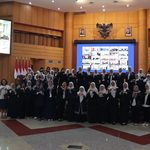
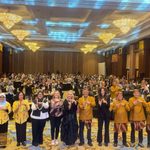
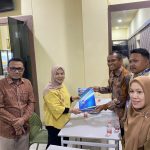
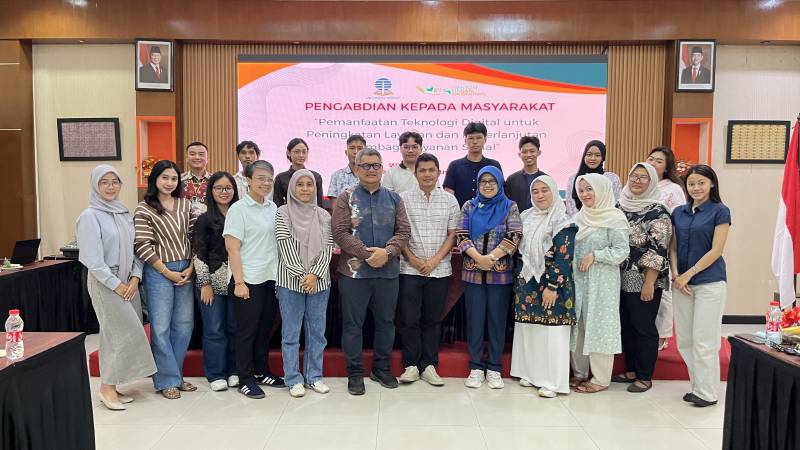
This is what Universitas Terbuka (UT) promoted through a Community Service (PkM) activity with Yayasan Senyum Insan Nusantara at Hotel Wisata Baru, Kota Serang, Banten, on Friday (August 21, 2026).
Carrying the theme “Utilizing Digital Technology to Improve Services and the Sustainability of Social Service Institutions,” the activity served as a learning space for students and the community to understand and practice the use of digital technology in supporting the activities of social institutions.
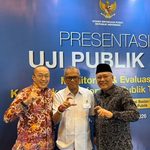
The Community Service Program was led by Arief Rahman Susila, Director of Asset, General Affairs, and Goods/Services Procurement Management at UT. The activity was also attended by Etty Puji Lestari, Foundation Advisor, and Madiha Dzakiyyah Chairunnisa, who served as the monitor and evaluator of the Community Service Program.
The collaboration brought together a higher education institution, a social institution, students, and the community in learning that focused not only on theory but also on skills that could be directly applied.
During the activity, Arief Rahman Susila and other speakers delivered materials on the use of digital technology, digital marketing, content development, and storytelling for social media.
Participants were invited to understand how an idea could be developed into engaging and relevant content. Beyond that, the idea was also developed into a digital campaign concept to support communication about social programs to the public.
The ability to build stories (storytelling) was one of the areas that received attention. Through effective storytelling, social programs and activities can be communicated in a way that is easier to understand and reach a wider audience.
For social service institutions, the use of digital technology offers broader benefits than simply disseminating information. Technology can help institutions introduce programs, build interaction with the community, increase visibility, and create opportunities to build public trust.
Therefore, participants interested in digital marketing and content development were encouraged to develop ideas creatively while also considering the needs and characteristics of audiences across various digital platforms.
The activity also served as a space for collaboration among academics, students, practitioners, social institutions, and the community. The exchange of knowledge and experience is expected to strengthen participants’ ability to manage digital communication more effectively and sustainably.
This effort is in line with SDG 4 on Quality Education, through the improvement of digital skills and literacy, as well as SDG 17 on Partnerships for the Goals, through collaboration among various parties to support the strengthening of social service institutions.
Through this Community Service Program, UT once again reaffirmed its commitment to delivering relevant and applicable community service programs. The collaboration with Yayasan Senyum Insan Nusantara is expected to continue developing, so that the use of digital technology not only makes social programs more widely known but also helps social service institutions provide greater benefits to the community.