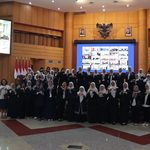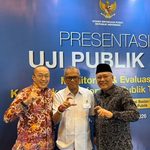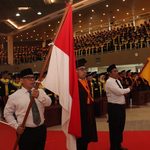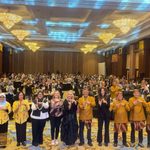

Becoming a university graduate no longer requires sitting in a classroom every morning. In Mataram, more than 500 new students proved that higher education can coexist with work, family responsibilities, and even later stages of life. During the New Student Orientation (OSMB) and Distance Learning Activity Program (PKBJJ) held on 14–15 February 2026 at Hotel Sapadia, Universitas Terbuka (UT) Mataram officially welcomed them into its open and distance learning system.
Over two days, students were introduced to UT’s distinctive learning model. OSMB provided an overview of academic life, while PKBJJ focused on technical readiness, including digital platforms, study mechanisms, and independent learning strategies. Director Heriyanto, S.IP., M.M., emphasized that understanding the system from the outset is crucial, as distance education demands discipline, integrity, and strong self-management. He reiterated UT’s two core principles: openness and independence. UT Mataram offers broad access to anyone holding a high school diploma or equivalent—regardless of age or profession—while maintaining strict academic standards with no compromise on integrity.
Unlike conventional universities, UT does not implement a drop-out system, traditional thesis requirement, or community service program (KKN). Theses may be replaced with scientific papers, and KKN is considered less relevant since most UT students are already active professionals applying their knowledge directly in the workplace. This contextual approach reflects UT’s alignment with inclusive and quality education principles, ensuring that flexibility does not diminish academic standards.
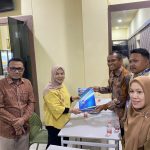
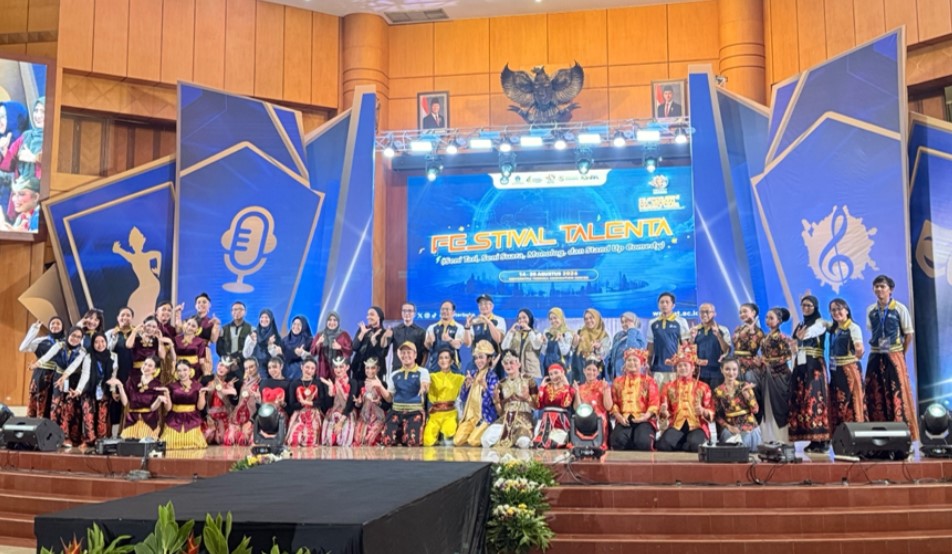
The ceremony concluded in a spirited atmosphere as the new students were formally inducted. Among them were civil servants, private employees, entrepreneurs, and homemakers—each carrying aspirations that once seemed delayed. For them, the weekend was more than orientation; it marked a turning point, affirming that higher education remains accessible to anyone willing to take the step forward.