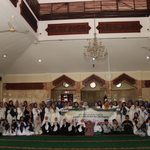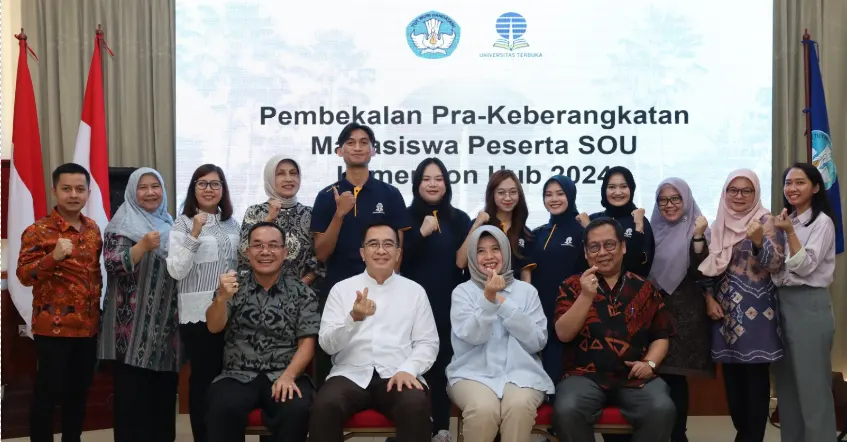

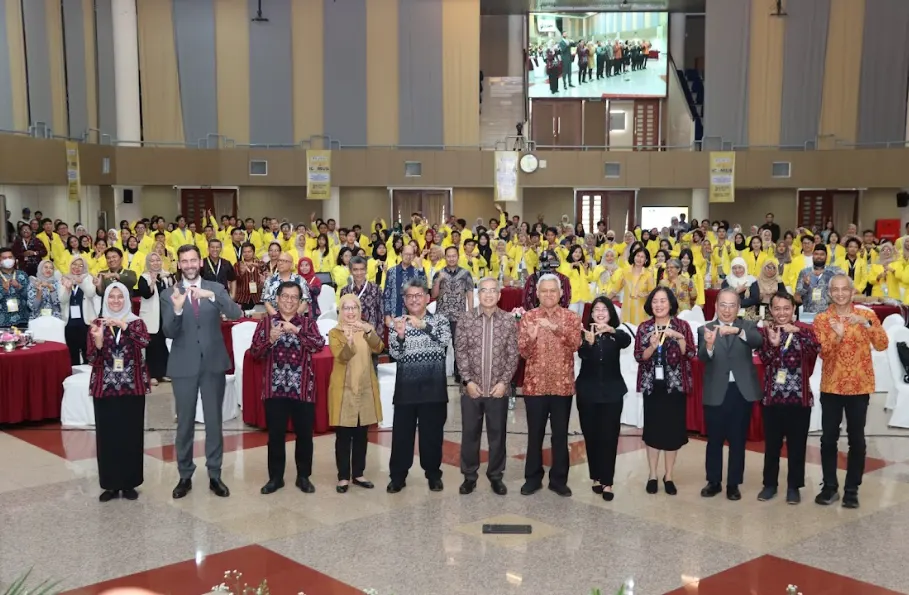
In 2024, Universitas Terbuka (UT) once again hosted its prestigious annual international conference, the 3rd International Conference on Multidisciplinary Academic Studies (ICoMUS). Organized by the Research and Community Service Institute (LPPM) of UT, the event was held in a hybrid format at the Universitas Terbuka Convention Center (UTCC), via Zoom Meeting, and livestreamed on UT TV’s YouTube channel. With the highly relevant theme “Collaborative Synergy for Deepening Research Understanding Towards Internationalization”, this international conference aimed to strengthen multidisciplinary research collaboration to enhance the quality, relevance, and global impact of research.
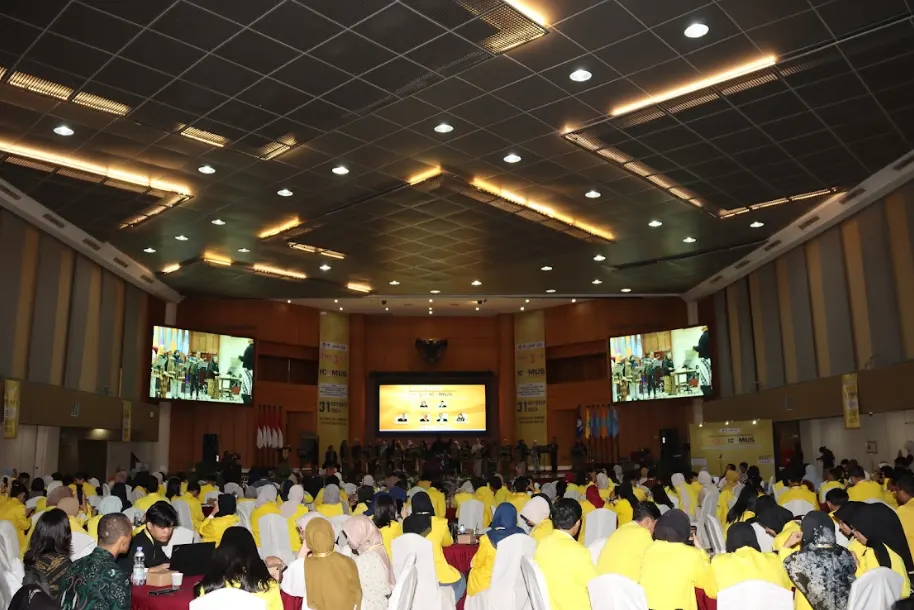
This year’s 3rd ICoMUS attracted around 300 participants, including 130 presenters who showcased their research both in-person and online, and 158 other participants. The event was attended by leaders from public and private universities (PTN and PTS) in the Greater Jakarta area, representatives from the Directorate General of Higher Education (Belmawa), and officials from the Ministry of Education, Culture, Research, and Technology.
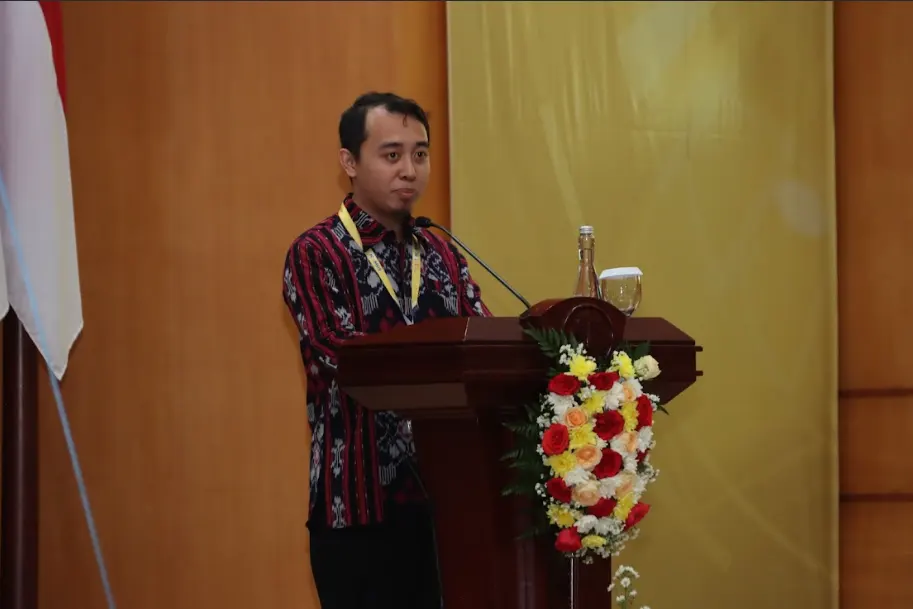
The event was officially opened by A. Rachmat Wirawan, S.H., M.H., Chair of the 2024 ICoMUS Organizing Committee. In his report, Rachmat emphasized the importance of multidisciplinary research as a driver of innovation and research progress in an increasingly complex and rapidly changing world. “Through collaboration between researchers from various disciplines, we can produce high-value publications and impactful research,” he noted.
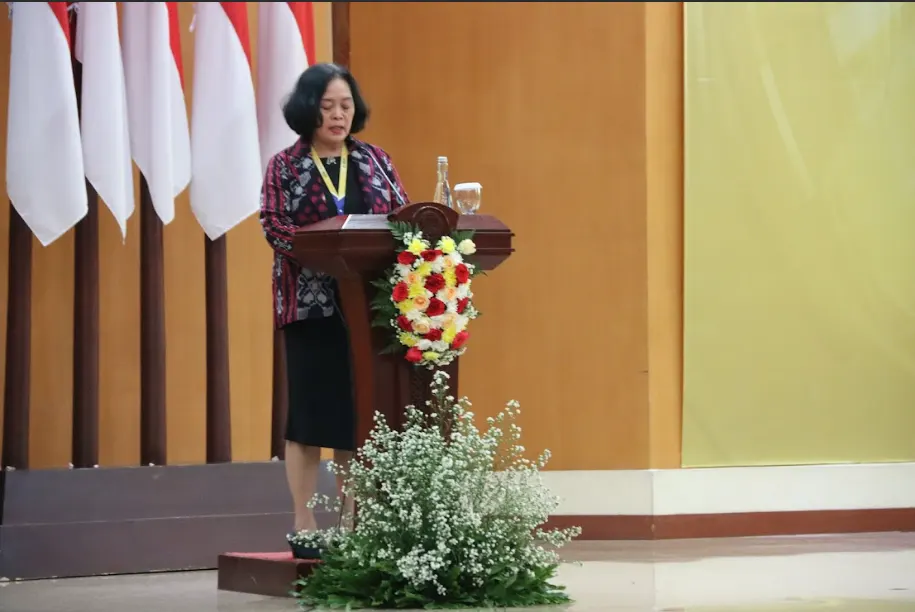
Prof. Dra. Dewi Artati Padmo Putri, M.A., Ph.D., Chair of LPPM UT, highlighted the need for a multidisciplinary approach that integrates diverse perspectives to address rapid advancements of technology and global civilization. She emphasized that national and international collaboration and networking are now fundamental competencies for researchers. “These practices are essential to achieving research excellence and enabling scholars to compete on the international stage,” she concluded, expressing her appreciation for the participation of faculty and students in the conference and hoping that this participation would increase in the future.
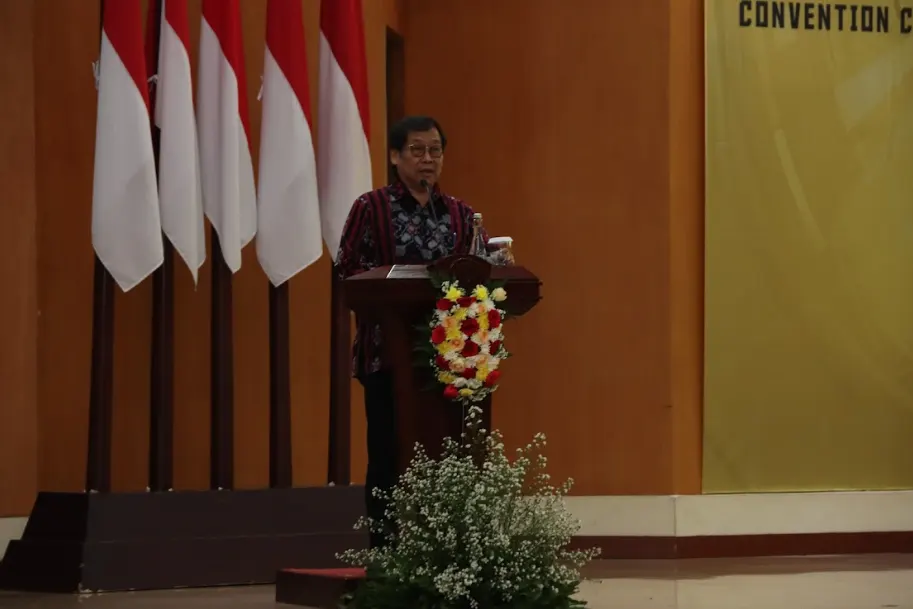
Dr. Mohamad Yunus, S.S., M.A., Vice Rector for Academic Affairs at UT, representing the Rector, officially inaugurated the 3rd ICoMUS 2024. He underscored the importance of collaborative synergy, which involves combining strengths, expertise, and resources from various parties to achieve collective goals beyond what individuals can accomplish alone. He emphasized that cross-disciplinary and cross-country collaboration is key to addressing increasingly complex global challenges. He expressed his hopes that this conference would push collaborative synergy between many parties to make the process of research internationalization more effective.
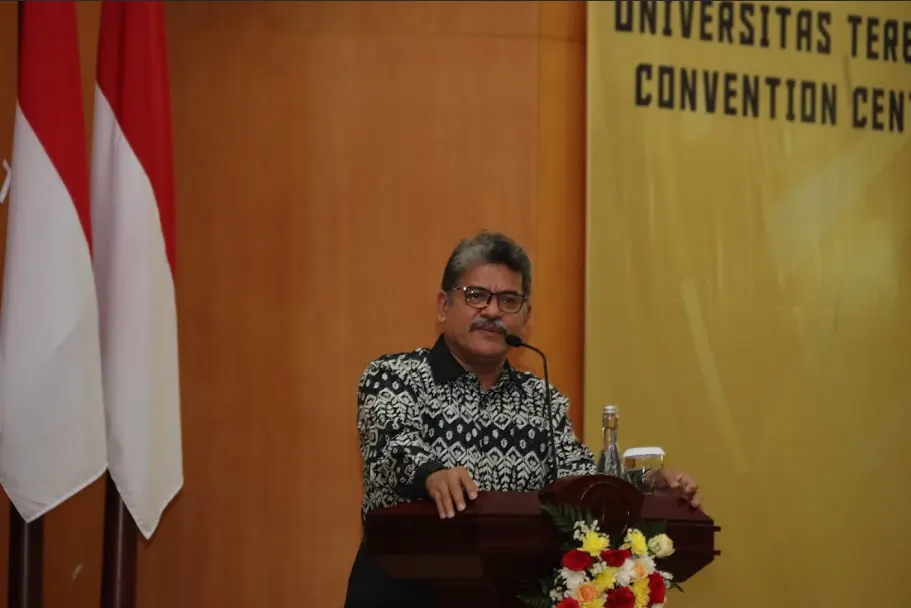
The keynote speaker, Prof. Dr. Ir. M. Faiz Syuaib, M.Agr., Director of Research, Technology, and Community Service (DRTPM), presented on “Policy & Programs of the Directorate for Research, Technology and Community Service (DRTPM) to Strengthen Collaboration and to Leverage Research Quality, Relevancy & Impact.” His presentation focused on DRTPM’s policies and programs to support research collaboration and enhance the quality and societal impact of research.
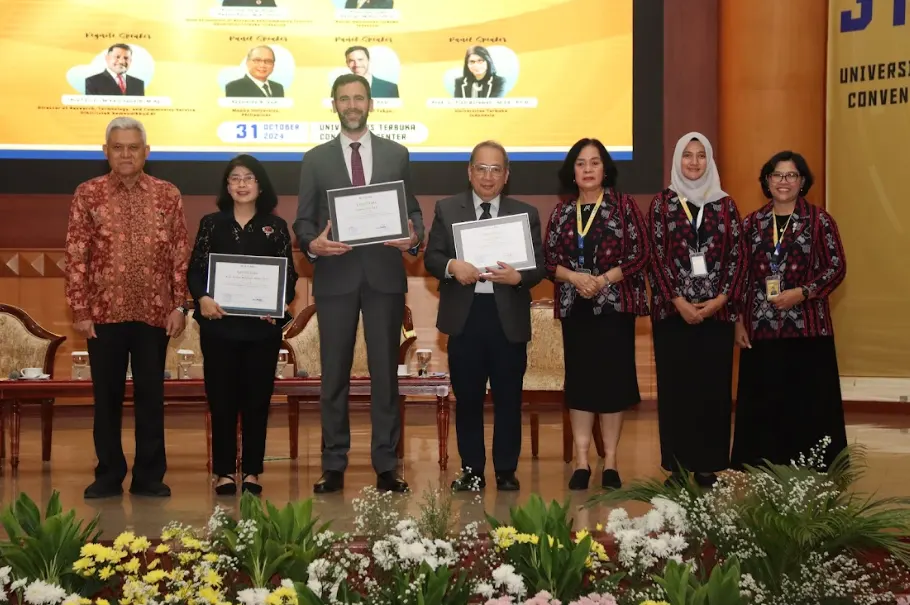
In addition to the keynote, the conference featured three prominent speakers from national and international level:
1. Reynaldo B. Vea from Mapua University, Philippines, delivered a presentation titled “Mapua University: Multidisciplinary Studies,” discussing multidisciplinary research approaches at his institution.
2. Dr. Wesley Teter from the University of Tokyo and founder of Mavericks, spoke on “Data-Driven Governance: Reorienting Lifelong Learning Systems,” emphasizing the importance of data-oriented lifelong learning systems.
3. Prof. Ir. Tian Belawati, M.Ed., Ph.D. from UT, Indonesia, shared insights on “Collaborative Research: Some Notes for Success,” providing best practices for successful research collaboration.
A special moment of the 3rd ICoMUS was the participation of Ananda Rizki, a student of UT with disabilities, as one of the presenters. This highlighted UT’s commitment to providing inclusive education and promoting equal engagement in the academic community.
During the press conference, Prof. Dewi Artati Padmo reiterated UT’s focus on leveraging technology and multidisciplinary research to produce impactful studies. She highlighted a collaborative research project on developing a patented batik tool (canting) made from alternative materials, in partnership with industry and other universities, showcasing UT’s commitment to industry-based programs.
**Rahmat Budiman, Ph.D.,** Vice Rector for Research, Innovation, Cooperation, and Business at UT, announced plans to increase the internal research budget by 40 billion rupiahs next year to support high-quality research proposals from faculty and researchers.
**Prof. Faiz Syuaib** emphasized the importance of multidisciplinary research to address complex societal challenges, stating, “Multidisciplinary research culture must continue to develop because complex challenges cannot be solved by a single discipline.” He acknowledged UT’s role as a pioneer in open distance learning (ODL) and its global recognition as the second-best ODL institution worldwide. He also emphasized that UT is committed to maintaining high educational standards while ensuring broad access to higher education across Indonesia.
### Best Paper Awards and Conclusion
The event concluded with the announcement of the Best Paper Awards:
– **Faculty Category:** Agil Rakasiwi, Mario Aditya Prasetyo, and Gunawan Wiradharma.
– **Student Category:** Bahir Muhammad.
The 3rd ICoMUS successfully facilitated international collaboration and productive academic discussions to support the internationalization of research in Indonesia. Through ICoMUS 2024, UT continues to strengthen its commitment to fostering multidisciplinary research and collaborative synergy, advancing the internationalization of research to produce work with a broad impact on global society.