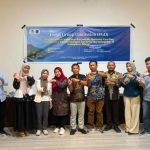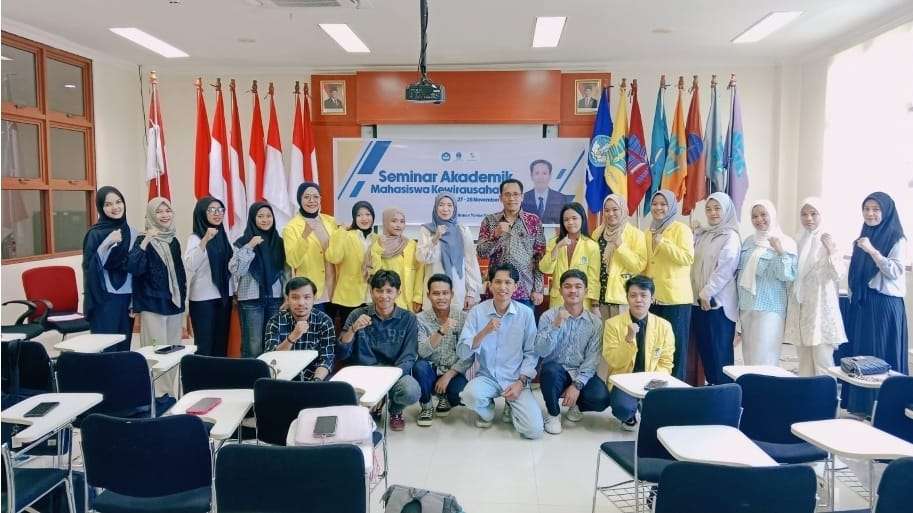

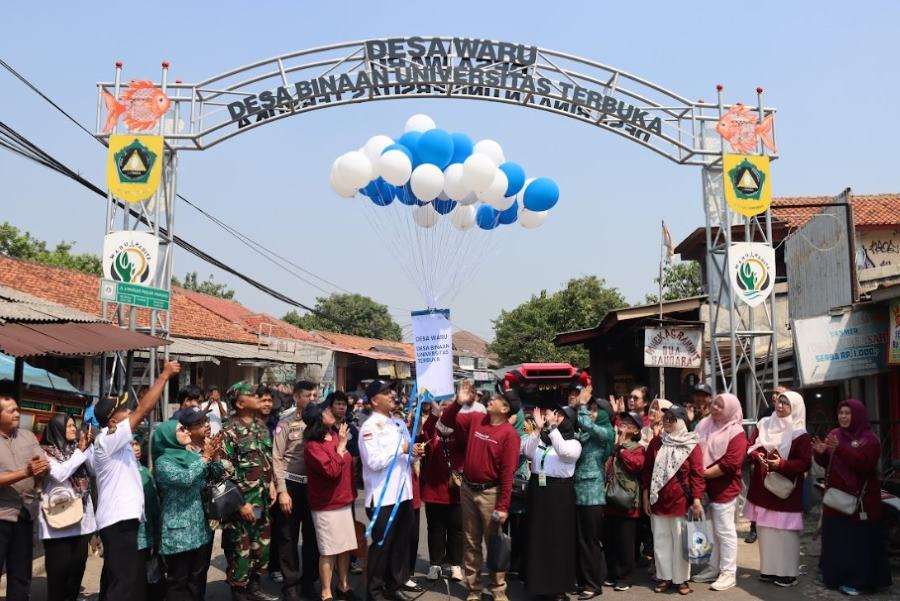
South Tangerang, July 24, 2025 – Universitas Terbuka (UT) officially launched its National Community Service Program (PkM) 2025 in Waru Village, Parung, Bogor Regency, West Java, on Thursday, July 24, 2025. This initiative represents a strategic step for UT to position villages as growth centers based on local potential. Specifically, Waru Village, known as the largest ornamental fish market in Southeast Asia, has been designated as one of UT’s fostered villages.
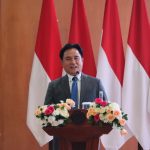
The inauguration was performed directly by UT’s Vice Rector for Research, Innovation, and Community Service, Prof. Rahmat Budiman, S.S., M.Hum., Ph.D. He emphasized the importance of strengthening collaboration between academia and grassroots communities to build social and economic resilience based on local resources. By leveraging the rich biodiversity and culture of ornamental fish, which is a strong identity of Waru Village, UT is implementing the National PkM program to help build community capacity, strengthen the creative economy value chain, and form an inclusive and sustainable digital ecosystem.

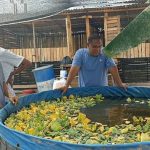
This PkM program is one of the initiatives funded by UT under the National PkM Scheme, coordinated by the Center for Community Service at UT’s LPPM (Institute for Research and Community Service). It is being carried out by a team of lecturers from UT’s Postgraduate Program with a spirit of interdisciplinary collaboration. Beyond providing training in village administration and SME digitalization, the program also aims to expand the marketing network for ornamental fish to international markets through digital channels and to contribute to environmental preservation by assisting in the processing of organic waste from Parung market into fish feed. This program is expected to not only improve the welfare of Waru Village residents but also create a replicable model of community service for other villages in Indonesia.

UT views Waru Village as a living laboratory to integrate science, technology, and values of self-reliance on a local scale with a global impact. Moving forward, this program will continue to be developed through a sustainable approach that positions the community as the primary partner, not merely as an object.
Through Waru Village, UT reaffirms its role as an impactful digital campus. UT is not just building distance higher education but also expanding access, empowerment, and making tangible contributions to achieving sustainable development goals. It is hoped that from Waru Village, the spirit of community empowerment can spread throughout the nation, and from Waru Village, local potential can step onto the global stage.