
The various programs under Merdeka Belajar Kampus Merdeka (MBKM) provide a platform for students and related stakeholders to contribute and collaborate effectively for society, one of which is ‘Kampus Mengajar’ program. In the year 2024, Kampus Mengajar program has entered its 7th batch and has generated many alumni from this program.
Kampus Mengajar program is one of Merdeka Belajar Kampus Merdeka (MBKM) programs, which is a learning channel that provides students with the opportunity to learn outside the campus for one semester to train their ability to solve complex problems by partnering with teachers to innovate in teaching, develop strategies, and develop creative, innovative, and enjoyable learning models for students.
As other MBKM programs, Kampus Mengajar is a highly distinguished program, and the enthusiasm of applicants is very high, especially at UT itself. After undergoing a long and strict selection process, UT has once again achieved a remarkable accomplishment by successfully bringing out 110 students to participate in the 7th batch of Kampus Mengajar Program. The students who passed this program are spread across various faculties and study programs at the undergraduate and Diploma degree, with the distribution as follows:
– Faculty of Law, Social and Political Sciences (Fakultas Hukum, Ilmu Sosial, dan Ilmu Politik – FHISIP) with 23 students
– Faculty of Economics and Business (Fakultas Ekonomi dan Bisnis – FEB) with 30 students
– Faculty of Science and Technology (Fakultas Sains dan Teknologi – FST) with 2 students
– Faculty of Teacher Training and Education (Fakultas Keguruan dan Ilmu Pendidikan – FKIP) with 55 students
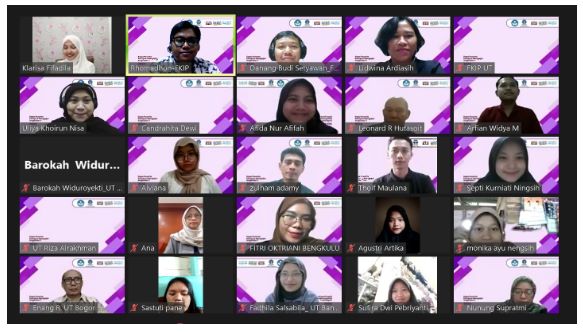
This joyful and proud achievement was announced during the “The Greeting and Perception Alignment of KM 7 UT” event held online via Zoom Meeting on Wednesday, January 10, 2024. The event was moderated by Uliya Khoirun Nisa, M.Pd. and attended by Dr. Kartono, S.Pd., M.Si. as the chairperson of MBKM UT, Dr. Lidwina Sri Ardiasih, S.Pd., M.Ed. as the coordinator of Kampus Mengajar at UT, Vice Deans for Academic Affairs, Vice Deans for Student Affairs, Learning Services, and Cooperation, Dr. Heni Safitri, S.Pd., M.Si. as an Expert Staff in Educational Innovation, Directors and Academic and Student Responsibility Officers from UT Regional, Heads of Department (Ketua Program Studi – Kaprodi) of students who passed in the 7th Kampus Mengajar Program, the Task Force Team (Satuan Petugas – Satgas) of MBKM FKIP UT, 110 students selected to participate in the 7th Kampus Mengajar program, and two speakers namely Dr. Siti Aisyah, M.Pd. as the coordinator of Kampus Mengajar Batch 6 and Klarisa Fifadila as an alumni of the 6th batch of Kampus Mengajar program.
The event began with a speech by Dr. Lidwina Sri Ardiasih, S.Pd., M.Ed. as the coordinator of Kampus Mengajar at UT. In her speech, she congratulated and wished success to the 110 UT students who passed the selection for the 7th Batch of Kampus Mengajar Program. In addition to congratulating and appreciating the students who passed and were selected for the 7th Batch of Kampus Mengajar Program, she also expressed appreciation to all parties involved who contributed to the success of the 7th Kampus Mengajar Program. Not only from Dr. Lidwina Sri Ardiasih, S.Pd., M.Ed., congratulations and appreciation were also expressed by Dr. Kartono, S.Pd., M.Si. as the Chairman of MBKM UT. In addition to the appreciation given, he also expressed prayers and hopes for the sustainability of Kampus Mengajar program in the future, so that students can run the program well and maximally in order to provide benefits and impacts and students can achieve satisfactory results.
After speeches from the Coordinator of Kampus Mengajar at UT and the Chairman of MBKM UT, the event continued with a presentation on MBKM Kampus Mengajar (KM) policies at UT by Danang Budi Setyawan, M.Si. In this session, a brief explanation was given about the MBKM program, which includes objectives, expectations, and academic policies related to MBKM at UT. In addition, details about Kampus Mengajar program were also explained, including the program concept, program outputs, program benefits, testimonials from students who have participated in the program, student contributions, activities during the 7th Kampus Mengajar program, and the Timeline of the 7th Kampus Mengajar Program. Furthermore, after the presentation by Danang Budi Setyawan, M.Si., the presentation continued with a presentation by Rhomadhon, S.Pd. regarding the flow and technicalities of the implementation of MBKM Kampus Mengajar at UT. In this presentation, the implementation flow during Kampus Mengajar program was explained, starting from Courses Registration and Course Fees payment to the end, which is the courses conversion as part of the recognition of program implementation.
After the presentation of materials related to the policies and technical implementations of MBKM Kampus Mengajar at UT, it was followed by a sharing session presented by an alumni of Kampus Mengajar, Batch 6, Klarisa Fifadila. In this sharing session, Klarisa Fifadila shared her experience during Kampus Mengajar, Batch 6 and also tips and tricks for participating in Kampus Mengajar program. In her sharing session, Klarisa emphasized several important things that students need to have and do during the program, namely, “Adaptation, Communication, and Teamwork”. Klarisa emphasized the importance of these three things because by implementing them well, the program will run smoothly and maximally, thus providing significant impact for all parties involved.
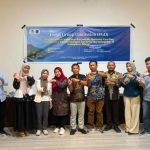
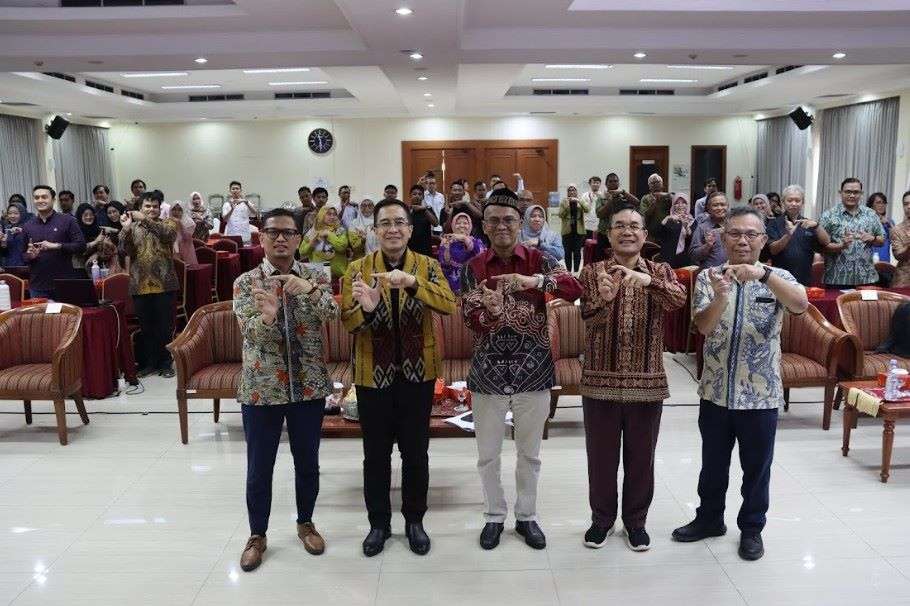
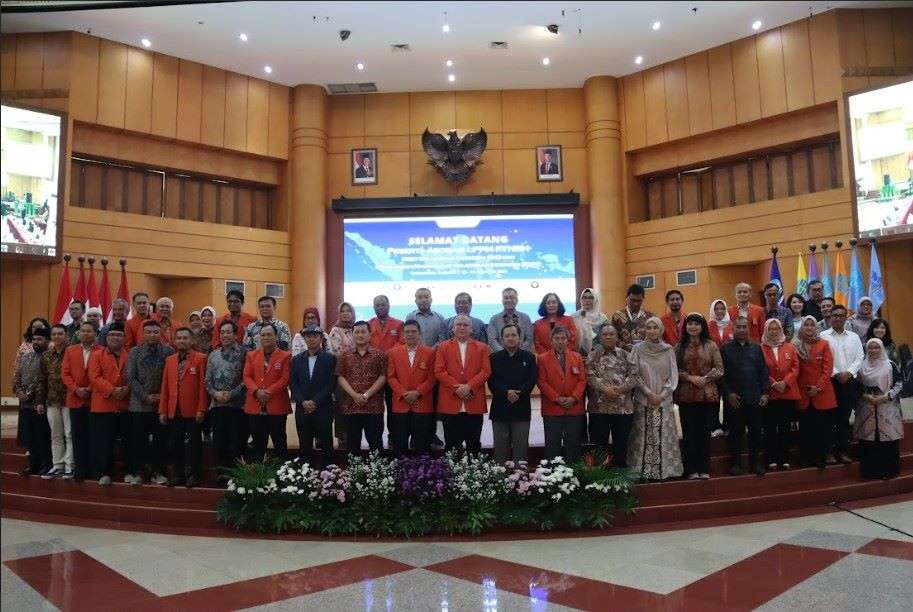
The event concluded with a QnA session with the speakers, followed by a group photo session. With the presence of this event, UT continues to commit and consistently facilitate and actively participate in educating the future generations of the nation through Kampus Mengajar program. It is hoped that with the increasing number of students participating in Kampus Mengajar program, it will improve the quality of Human Resources (HR) and provide benefits for all stakeholders.
The various programs under Merdeka Belajar Kampus Merdeka (MBKM) provide a platform for students and related stakeholders to contribute and collaborate effectively for society, one of which is ‘Kampus Mengajar’ program. In the year 2024, Kampus Mengajar program has entered its 7th batch and has generated many alumni from this program.
Kampus Mengajar program is one of Merdeka Belajar Kampus Merdeka (MBKM) programs, which is a learning channel that provides students with the opportunity to learn outside the campus for one semester to train their ability to solve complex problems by partnering with teachers to innovate in teaching, develop strategies, and develop creative, innovative, and enjoyable learning models for students.
As other MBKM programs, Kampus Mengajar is a highly distinguished program, and the enthusiasm of applicants is very high, especially at UT itself. After undergoing a long and strict selection process, UT has once again achieved a remarkable accomplishment by successfully bringing out 110 students to participate in the 7th batch of Kampus Mengajar Program. The students who passed this program are spread across various faculties and study programs at the undergraduate and Diploma degree, with the distribution as follows:
– Faculty of Law, Social and Political Sciences (Fakultas Hukum, Ilmu Sosial, dan Ilmu Politik – FHISIP) with 23 students
– Faculty of Economics and Business (Fakultas Ekonomi dan Bisnis – FEB) with 30 students
– Faculty of Science and Technology (Fakultas Sains dan Teknologi – FST) with 2 students
– Faculty of Teacher Training and Education (Fakultas Keguruan dan Ilmu Pendidikan – FKIP) with 55 students
This joyful and proud achievement was announced during the “The Greeting and Perception Alignment of KM 7 UT” event held online via Zoom Meeting on Wednesday, January 10, 2024. The event was moderated by Uliya Khoirun Nisa, M.Pd. and attended by Dr. Kartono, S.Pd., M.Si. as the chairperson of MBKM UT, Dr. Lidwina Sri Ardiasih, S.Pd., M.Ed. as the coordinator of Kampus Mengajar at UT, Vice Deans for Academic Affairs, Vice Deans for Student Affairs, Learning Services, and Cooperation, Dr. Heni Safitri, S.Pd., M.Si. as an Expert Staff in Educational Innovation, Directors and Academic and Student Responsibility Officers from UT Regional, Heads of Department (Ketua Program Studi – Kaprodi) of students who passed in the 7th Kampus Mengajar Program, the Task Force Team (Satuan Petugas – Satgas) of MBKM FKIP UT, 110 students selected to participate in the 7th Kampus Mengajar program, and two speakers namely Dr. Siti Aisyah, M.Pd. as the coordinator of Kampus Mengajar Batch 6 and Klarisa Fifadila as an alumni of the 6th batch of Kampus Mengajar program.
The event began with a speech by Dr. Lidwina Sri Ardiasih, S.Pd., M.Ed. as the coordinator of Kampus Mengajar at UT. In her speech, she congratulated and wished success to the 110 UT students who passed the selection for the 7th Batch of Kampus Mengajar Program. In addition to congratulating and appreciating the students who passed and were selected for the 7th Batch of Kampus Mengajar Program, she also expressed appreciation to all parties involved who contributed to the success of the 7th Kampus Mengajar Program. Not only from Dr. Lidwina Sri Ardiasih, S.Pd., M.Ed., congratulations and appreciation were also expressed by Dr. Kartono, S.Pd., M.Si. as the Chairman of MBKM UT. In addition to the appreciation given, he also expressed prayers and hopes for the sustainability of Kampus Mengajar program in the future, so that students can run the program well and maximally in order to provide benefits and impacts and students can achieve satisfactory results.
After speeches from the Coordinator of Kampus Mengajar at UT and the Chairman of MBKM UT, the event continued with a presentation on MBKM Kampus Mengajar (KM) policies at UT by Danang Budi Setyawan, M.Si. In this session, a brief explanation was given about the MBKM program, which includes objectives, expectations, and academic policies related to MBKM at UT. In addition, details about Kampus Mengajar program were also explained, including the program concept, program outputs, program benefits, testimonials from students who have participated in the program, student contributions, activities during the 7th Kampus Mengajar program, and the Timeline of the 7th Kampus Mengajar Program. Furthermore, after the presentation by Danang Budi Setyawan, M.Si., the presentation continued with a presentation by Rhomadhon, S.Pd. regarding the flow and technicalities of the implementation of MBKM Kampus Mengajar at UT. In this presentation, the implementation flow during Kampus Mengajar program was explained, starting from Courses Registration and Course Fees payment to the end, which is the courses conversion as part of the recognition of program implementation.
After the presentation of materials related to the policies and technical implementations of MBKM Kampus Mengajar at UT, it was followed by a sharing session presented by an alumni of Kampus Mengajar, Batch 6, Klarisa Fifadila. In this sharing session, Klarisa Fifadila shared her experience during Kampus Mengajar, Batch 6 and also tips and tricks for participating in Kampus Mengajar program. In her sharing session, Klarisa emphasized several important things that students need to have and do during the program, namely, “Adaptation, Communication, and Teamwork”. Klarisa emphasized the importance of these three things because by implementing them well, the program will run smoothly and maximally, thus providing significant impact for all parties involved.
The event concluded with a QnA session with the speakers, followed by a group photo session. With the presence of this event, UT continues to commit and consistently facilitate and actively participate in educating the future generations of the nation through Kampus Mengajar program. It is hoped that with the increasing number of students participating in Kampus Mengajar program, it will improve the quality of Human Resources (HR) and provide benefits for all stakeholders.