
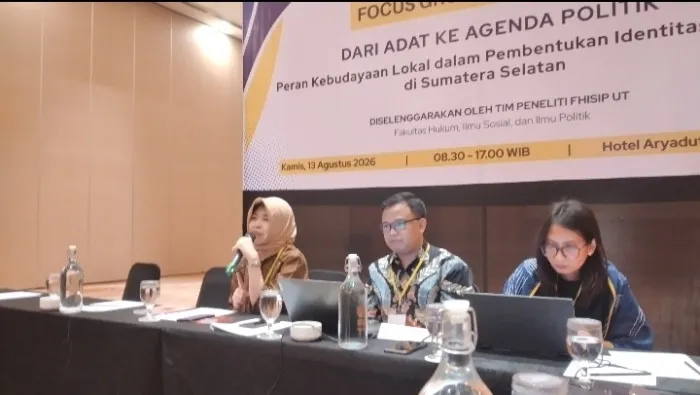
In Sumatra Selatan, tradition is not merely a story about the past. Amid changing times and the dynamics of local politics, traditional values, kinship ties, and cultural symbols remain alive and continue to shape how people view their social and political environment. This phenomenon is being examined by lecturers from the Faculty of Law, Social and Political Sciences (FHISIP) at Universitas Terbuka (UT) through a study titled “From Tradition to Political Agenda: The Role of Local Culture in Shaping Political Identity in Sumatra Selatan.”
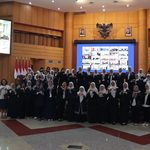
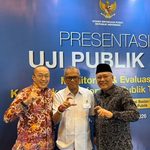
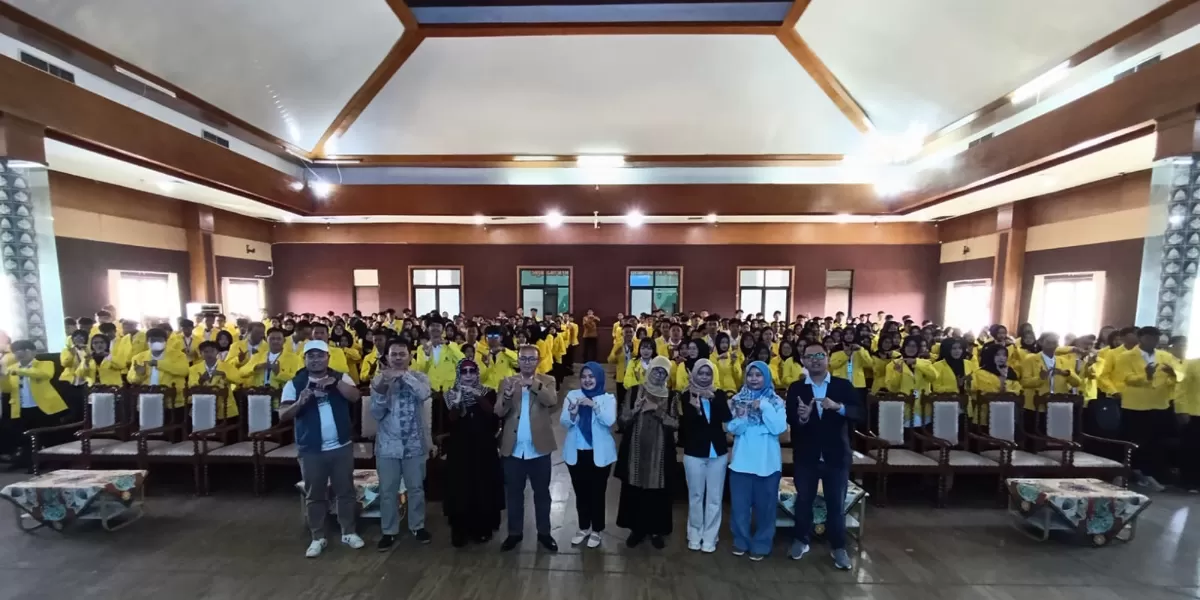
The study is led by Dean of FHISIP Universitas Terbuka Dr. Meita Istianda, S.IP., M.Si. One of the research activities was conducted through a Focus Group Discussion (FGD) at Hotel Aryaduta Palembang, Jalan POM IX, Palembang Square, Ilir Barat I, Palembang, on Thursday (August 13, 2026).
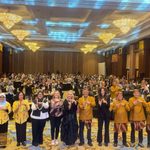
The FGD brought together traditional leaders and institutions, academics, political observers, government agencies, civil society representatives, and researchers. The meeting provided a forum to explore experiences and perspectives on how tradition continues to play a role in social life while also intersecting with the political lives of people in Sumatera Selatan.
Meita explained that the study aims to analyze how local culture shapes the political identity of communities, particularly as traditional values begin to transform and enter the contemporary political agenda.
Several areas in Sumatera Selatan still have social structures influenced by the marga (family/parental line) and traditional systems. Although formal marga governance changed during Era Orde Baru, the values, symbols, kinship ties, and social networks that emerged from these traditions have continued to survive.
In subsequent developments, these elements can become intertwined with local politics. Traditional symbols, historical narratives, kinship ties, and the influence of traditional leaders have the potential to be utilized by political actors to build closer relationships with communities while gaining public legitimacy.
With the advent of regional autonomy, the space for cultural identity in political contests has also become increasingly open. The revitalization of traditions, kinship organizations, and the involvement of traditional leaders have become interesting phenomena to examine, including how marga and buay (traditional kinship groups) under certain circumstances can influence social relations as well as political support in elections and regional elections.
“This study also examines how tradition can be transformed into political capital. Cultural values and symbols that initially function as social identities can be utilized as part of political strategies, for example, through approaches to traditional leaders, the use of cultural symbols, and the strengthening of kinship ties,” Meita said.
However, the relationship between tradition and politics does not always produce positive outcomes. The exclusive use of traditional identities has the potential to reinforce social divisions and trigger polarization.
“Therefore, this study not only views tradition as a political instrument, but also examines its impact on social integration and the quality of democracy at the local level,” she said.
During the FGD, the research team explored five main issues: the sustainability of traditional values, identity mobilization by political actors, the relationship between kinship and political choices, the transformation of tradition into electoral capital, and its impact on social integration and the quality of democracy.
The discussion also examined whether traditional identity is used only during political contests or is genuinely translated into development programs and policies after elections and regional elections have ended.
The study involved informants from Ogan Komering Ulu (OKU) Timur, Lahat, Musi Banyuasin, Ogan Komering Ilir (OKI), and Kabupaten Empat Lawang, as well as various other community groups.
“The findings of this study are expected to contribute to the development of research on identity politics, political anthropology, and local politics in Indonesia,” Meita said.
In practical terms, the study is also expected to provide input for local governments in developing policies to preserve traditions while strengthening local political governance that respects cultural wisdom.
“In addition, this study is expected to encourage synergy among traditional stakeholders, government, academics, and communities in preserving cultural values while strengthening social integration,” she said.
Ultimately, the study reminds us that tradition is not a relic confined to the past. It continues to evolve alongside the communities that practice it. The challenge is to ensure that the strength of such identities does not become a barrier, but rather a bridge toward a more inclusive and democratic political life capable of maintaining the unity of Sumatera Selatan’s people. This effort is also in line with the spirit of sustainable development, particularly SDG 16, which promotes peace, justice, and inclusive and effective institutions.