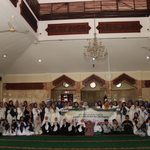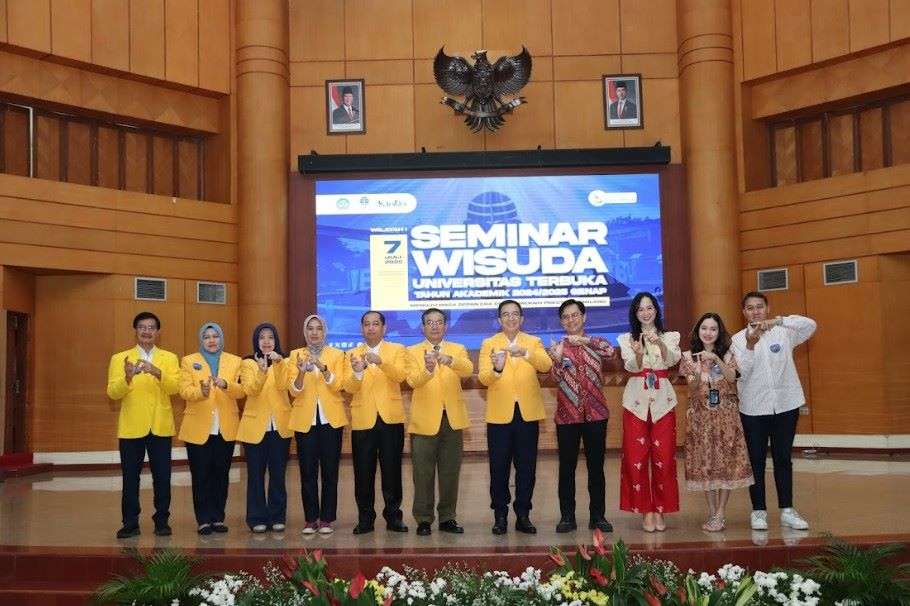

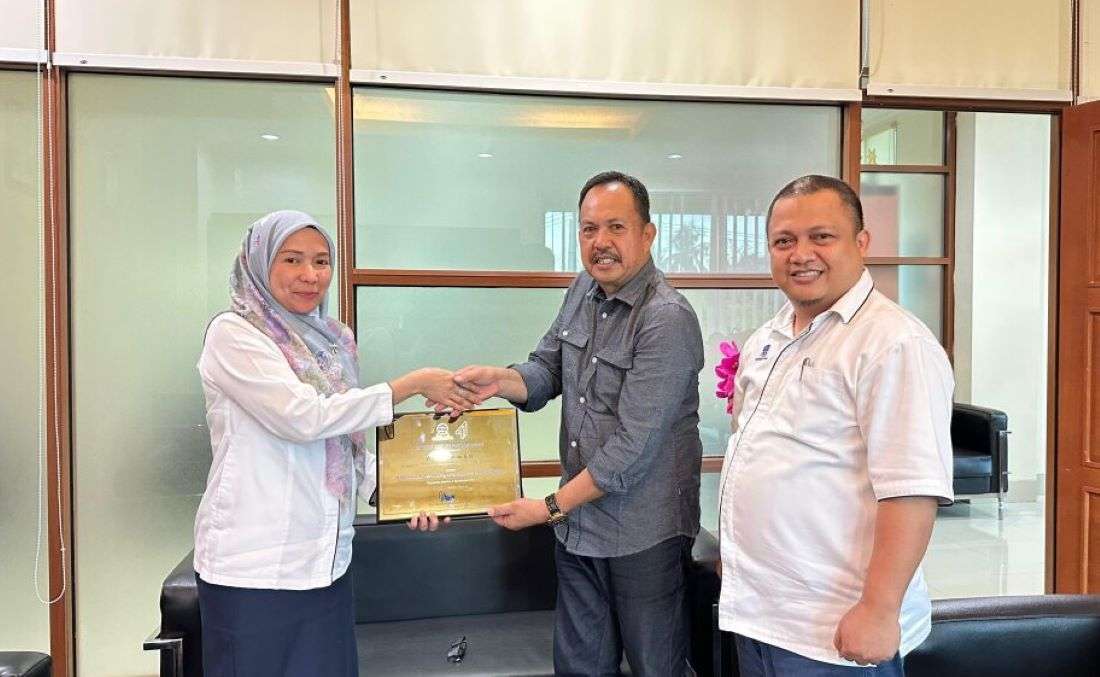
South Tangerang, September 9, 2025 – Universitas Terbuka (UT) reaffirmed its commitment to empowering rural communities by honoring its partners. At the climax of its 41st Dies Natalis celebration on September 4, 2025, UT presented the 2025 Best Partnership Award to seven individuals and institutions who have been instrumental in supporting the development of open and distance higher education in Indonesia.
One of the awards went to Wardin Wahid, S.H., Chairman of the West Sulawesi Provincial Association of Village Governments (APDESI), as the 2025 Individual Partner for Supporting Lifelong Learning. Wardin Wahid was recognized for his role in building public trust, motivating students, and raising awareness about the importance of higher education at UT.
This award also acknowledges the strong collaboration between UT and village governments to improve the quality of village human resources through access to open education. Wardin Wahid has taken various steps, including initiating UT’s Recognition of Prior Learning (RPL) program, which has proven highly effective in helping village officials accelerate their access to university education.
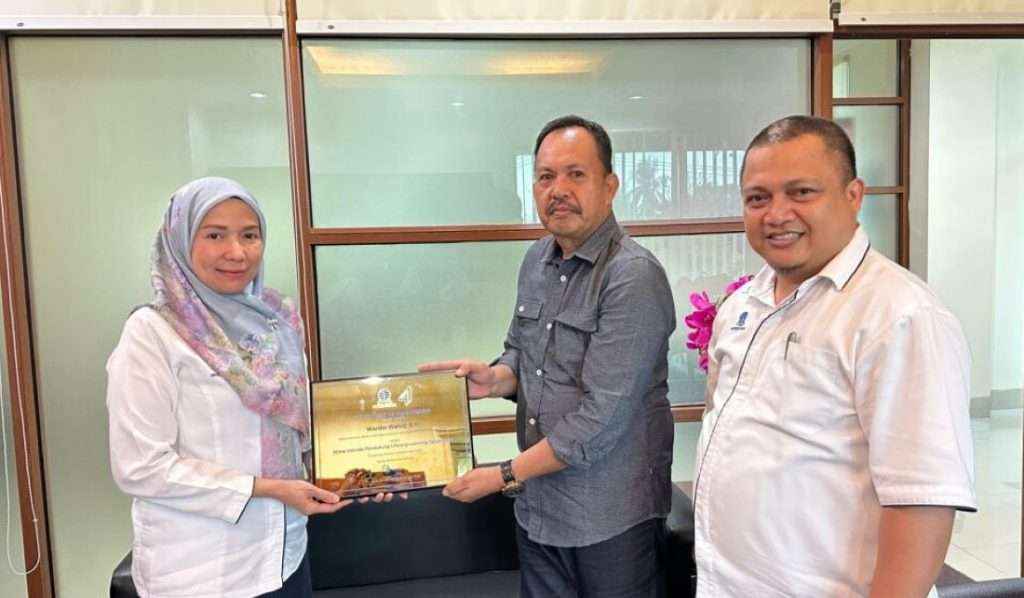
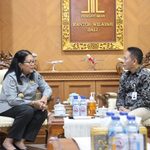
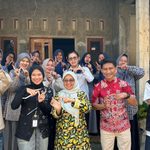
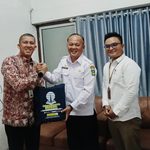
The award was presented directly to Wardin Wahid by the Director of UT Majene, Devi Ayuni, SE, M.Si., who had symbolically received it on his behalf during the main Dies Natalis ceremony. In his statement, Wardin Wahid expressed deep appreciation to UT, stating that the award was the result of the collective work of all village officials in West Sulawesi.
“We will continue to work in synergy with UT Majene to increase the Gross Enrollment Ratio (GER) of higher education in West Sulawesi and strengthen the capacity of village officials. Education is a long-term investment, and UT is a solution for rural communities who have limited access to universities,” he said.
The Chairman of West Sulawesi’s APDESI is committed to promoting this program to all village heads in West Sulawesi, a revolutionary step in accelerating the capacity building of officials through flexible education.
The success of this initiative is more than just an academic innovation. UT is bringing to life the values of inclusivity, innovation, and transformative learning—core values of the “Everyone Can Study” mission. Through RPL, they recognize the learning experience of village officials and ensure that access to higher education is not limited by formal boundaries.
This initiative not only impacts the development of rural human resources but also aligns with UT’s contributions to the Sustainable Development Goals (SDGs), specifically:
- SDG 4: Quality Education — RPL expands access to higher education without requiring individuals to leave their professional duties.
- SDG 10: Reduced Inequalities — It provides educational opportunities for individuals outside of the formal educational track.
- SDG 17: Partnerships for the Goals — The collaboration between UT and village governments is an example of a cross-sectoral partnership for national development goals.
This initiative is proof that UT is not just a distance learning institution but also a social change agent that strengthens the capacity of rural communities from the grassroots level.