
TANGERANG SELATAN – Five years ago, proficiency in software applications or foreign languages may have been enough to secure a job. Today, however, the landscape is changing. As Artificial Intelligence (AI) gradually takes over routine tasks, employers are increasingly seeking talent who can think critically, adapt quickly, and collaborate effectively with emerging technologies.
The transformation is happening faster than many anticipated. For vocational higher education institutions, the challenge is no longer simply producing graduates, but ensuring they remain relevant in a rapidly evolving job market.
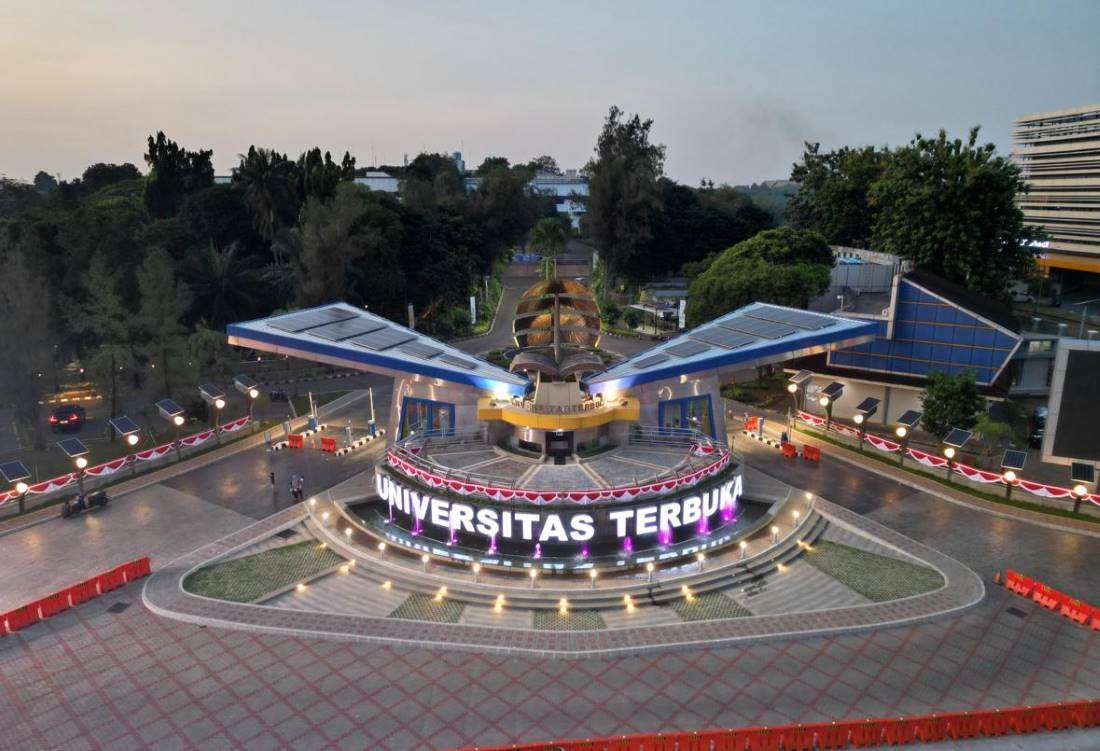
Recognizing this shift, the Universitas Terbuka (UT) Vocational School has strengthened its collaboration with industry. Through the signing of a Memorandum of Agreement (MoA) with PT Satu Visi Indocreative (B-One Corporation), accompanied by AI training and a Psychoeducation Program on Student Resilience and Well-being, UT demonstrated that vocational education must go beyond teaching theory and instead develop competencies that are truly needed for the future.
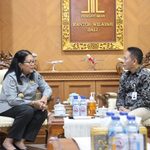
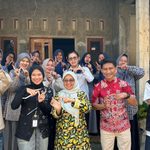
The event, held at the Universitas Terbuka Convention Center (UTCC) in Tangerang Selatan on Thursday (July 9), was attended by representatives from Universitas Terbuka, B-One Corporation, Intel Indonesia, and approximately 100 Vocational School students participating in the training on-site.
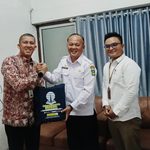
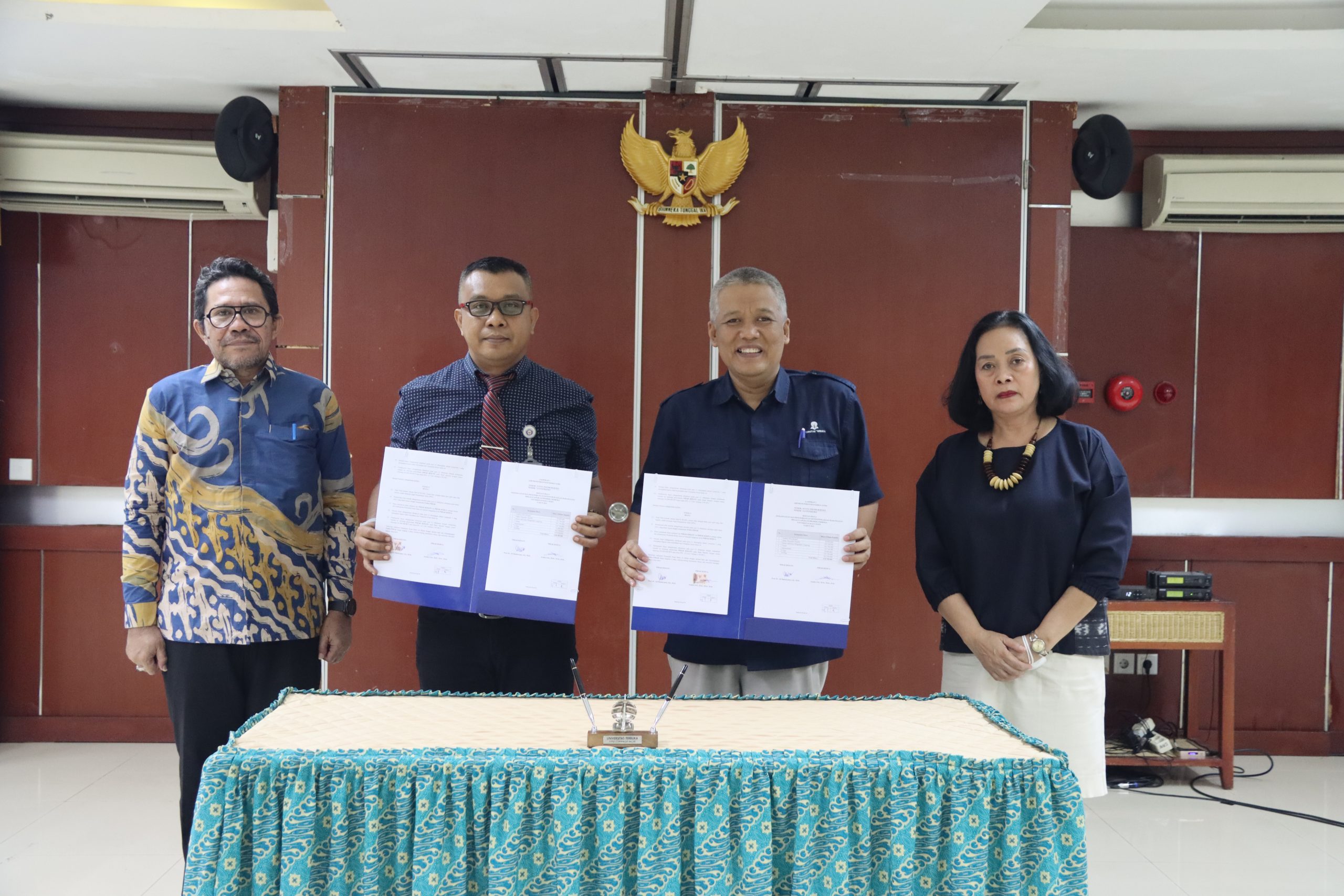
The MoA, signed by Dr. Mohamad Yunus, S.S., M.A., Director of the UT Vocational School, and Idham Fitriyadi, President Director of PT Satu Visi Indocreative, serves as a follow-up to the Memorandum of Understanding (MoU0 previously established at the university. However, its true value lies not in the document itself, but in the collaborative programs that will follow.
Under the agreement, both institutions will develop industry-based learning through curriculum design, guest lectures, collaborative teaching, practical training, joint research, scientific publications, and community service initiatives. This approach allows students to gain not only theoretical knowledge but also practical insights aligned with the realities of today’s workplace.
Dr. Mohamad Yunus stated that vocational graduates must be prepared for challenges that may not yet be fully visible today.
“Our students live in the present, but they are also preparing themselves for the future. They are not only acquiring knowledge but must also be capable of responding to constantly changing dynamics,” he said.
According to Yunus, competency development must extend beyond the classroom. Together with B-One Corporation and Intel Indonesia, the UT Vocational School plans to provide training programs every semester. Students in information technology programs will receive even more intensive training, given the rapid pace of technological advancement in the field.
The UT Vocational School is also expanding its industry network as an extended learning environment. Currently, approximately 50 national and international partners collaborate with UT, providing students with broader opportunities for internships, hands-on professional experience, and even overseas learning opportunities. In addition, the Vocational School is preparing to launch a Bachelor of Applied Science (D-IV) in Electric Vehicle Technology in 2027.
“Around 60 to 70 percent of our curriculum is practice-based. Our goal is to ensure that vocational graduates possess the skills required by industry,” Yunus said.
A similar perspective was shared by Dr. Hendrian, S.E., M.Si., Vice Rector for Research, Partnership, and Business at Universitas Terbuka. He noted that AI, automation, and digital transformation have fundamentally changed the way people learn and work. Therefore, universities must do more than produce academically capable graduates.
“Students must also develop digital literacy, critical thinking, creativity, integrity, and resilience to navigate constant change,” he said.
He expressed hope that the partnership would lead to concrete initiatives, including competency training and certification, industry-based learning, AI skills development, guest lectures, and applied research. Hendrian also emphasized the importance of using AI responsibly by prioritizing ethics, accountability, and data security.
PT Satu Visi Indocreative President Director Idham Fitriyadi described collaboration between higher education institutions and industry as a crucial investment in developing Indonesia’s future workforce. According to him, students gain greater value when academic learning is complemented by real-world industry experience.
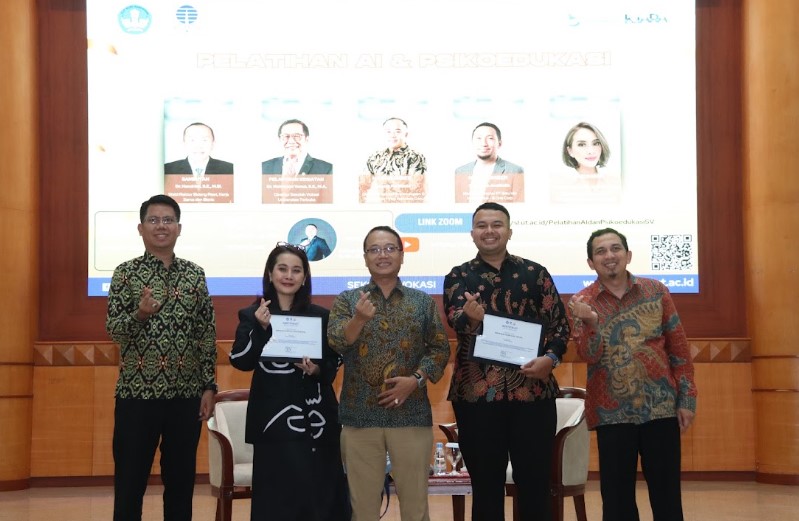
This commitment was immediately reflected in a training session titled “AI & The Future of Talent: Navigating the Future, Bridging Talent Competencies with AI & Emerging Skills.” Together with Intel Indonesia, students explored how AI has become an integral part of nearly every industry, including education, healthcare, manufacturing, and the creative sector. They were also introduced to the importance of developing digital competencies, using AI responsibly, and continuously pursuing upskilling and reskilling to remain competitive in an era of rapid technological change.
However, preparing for the future requires more than technological expertise alone. To address this, the program also featured a Psychoeducation Session on Student Resilience and Well-being, encouraging students to understand the importance of maintaining mental health, managing pressure effectively, and building resilience to thrive amid constant change.
Ultimately, the future of work will continue to evolve. New technologies will emerge, and new professions will be created. Yet one quality will remain indispensable: individuals who are committed to lifelong learning, willing to adapt, and capable of using technology responsibly. Through industry collaboration, AI competency development, and resilience-building initiatives, the UT Vocational School is committed to ensuring its graduates are not only prepared to adapt to change but are also equipped to become innovators and solution providers in the workforce of the future.