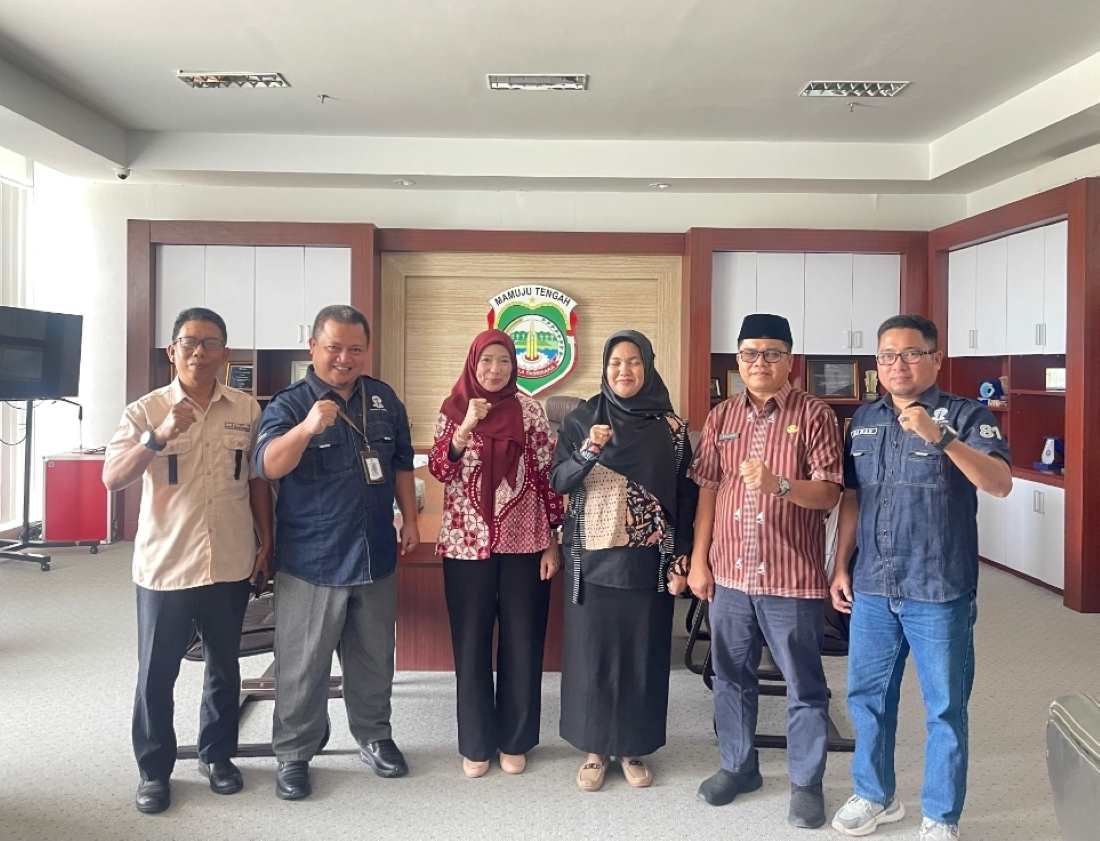

Disasters can destroy infrastructure and disrupt local economies. Yet amid such challenges, the determination to recover continues to grow. This spirit was reflected in the collaboration between Universitas Padjadjaran (Unpad), Universitas Brawijaya (UB), and Universitas Terbuka (UT), which worked directly with Micro and Small Enterprises (MSEs) affected by flash floods in Kota Medan, Kabupaten Deli Serdang, and Kabupaten Langkat, Sumatra Utara.
The initiative was part of the Program Pengabdian kepada Masyarakat Kolaborasi Indonesia (PMKI) 2026, which in English means Indonesian Collaborative Community Service Program, which carried the theme Strengthening the Legal and Economic Resilience of Post-Disaster Micro, Small, and Medium Enterprises Through Disaster Literacy and Learning Loss Prevention Based on Business Legality. Through the program, participating MSE owners not only received education on the importance of business legality but also received direct assistance in obtaining Business Identification Numbers (Nomor Induk Berusaha – NIB), Halal Certification, and trademark registration.
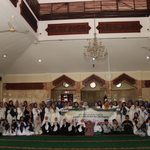
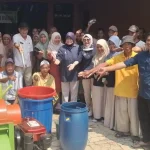
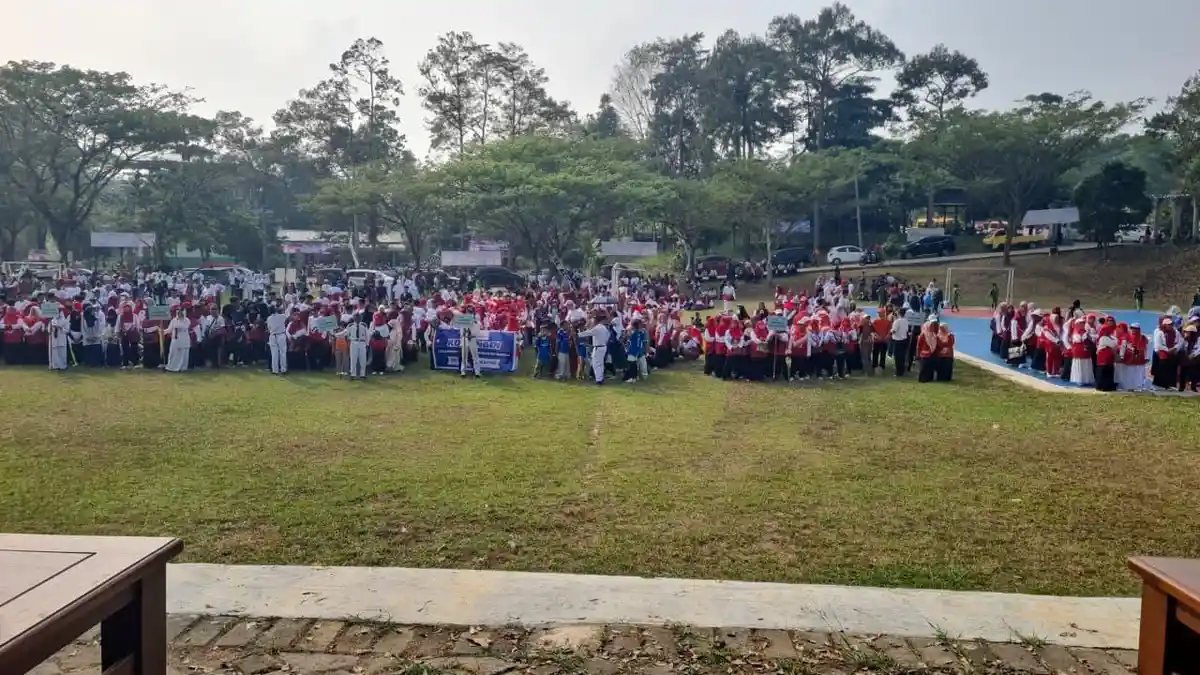
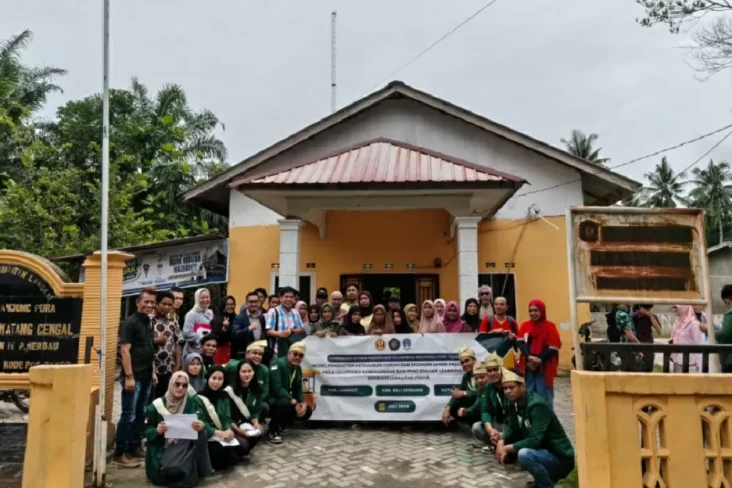
The 2026 PMKI program was designed to accelerate post-disaster economic recovery by strengthening legal frameworks, institutional capacity, and business competitiveness. The activities were implemented in stages across three target areas in collaboration with local governments, village administrations, and MSE communities. One of the main activities took place at the Pematang Cengal Village Hall in Kecamatan Tanjung Pura, Kabupaten Langkat, where dozens of MSE owners from various business sectors participated. Field activities were conducted from June 25 to 28, 2026.
Although the field activities have concluded, the assistance will continue. Throughout 2026, the PMKI 2026 team will continue facilitating the processing of Business Identification Numbers, Halal Certification, and trademark registration until all participants receive comprehensive support according to their business needs.
Deviana Yuanitasari, Head of the 2026 PMKI Team from the Faculty of Law at Universitas Padjadjaran, explained that many MSE owners produce high-quality products but still lack legal business status. As a result, they face difficulties in accessing financing, expanding market opportunities, participating in government procurement, and entering the digital commerce ecosystem.
“Many MSE owners actually have quality products but do not yet possess legal business status. As a result, they face challenges in obtaining financing, expanding their markets, participating in government procurement, and entering the digital commerce ecosystem. Therefore, our assistance goes beyond socialization activities, we accompany participants through the entire business legalization process so that the benefits can be genuinely felt by the community,” she said on Monday (June 29, 2026).
According to Deviana, business legality is a fundamental pillar in strengthening post-disaster economic resilience. When MSE owners possess Business Identification Numbers, Halal Certificates, and legally protected trademarks, they gain greater opportunities to expand their businesses while ensuring long-term business sustainability.
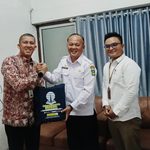
The program was led by Deviana Yuanitasari together with Hazar Kusmayanti, Nun Harrieti, Agus Suwandono, and Rafan Darodjat from the Faculty of Law at Universitas Padjadjaran. The collaboration also involved M. Hamidi Masykur and postgraduate student Amir Mahmud from the Faculty of Law at Universitas Brawijaya, as well as Meliza and Madiha Dzakkiyah Chairunnisa from the Faculty of Law, Social Sciences, and Political Sciences at Universitas Terbuka.
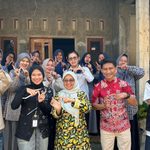
Throughout the program, participants received training on strategies to strengthen post-disaster MSEs, procedures for obtaining Business Identification Numbers, the process of applying for Halal Certification, and the importance of legal protection through trademark registration. The community service team also established consultation and assistance clinics, enabling participants to process their business legality documents directly.
This combination of education and hands-on assistance became a defining feature of PMKI 2026. Several MSE owners successfully obtained their Business Identification Numbers, while others received direct support in applying for Halal Certification and trademark registration in accordance with prevailing regulations. The initiative is expected to improve the competitiveness of local products, expand market access, and provide legal certainty for business owners.
Beyond business legality, the program also strengthened community awareness of disaster preparedness and strategies for maintaining business continuity during times of crisis. These efforts are aligned with the Sustainable Development Goals (SDGs), particularly SDG 8 (Decent Work and Economic Growth) through strengthening MSE competitiveness, SDG 9 (Industry, Innovation and Infrastructure) by fostering more resilient businesses, and SDG 17 (Partnerships for the Goals) through collaboration among higher education institutions to deliver meaningful benefits to society.
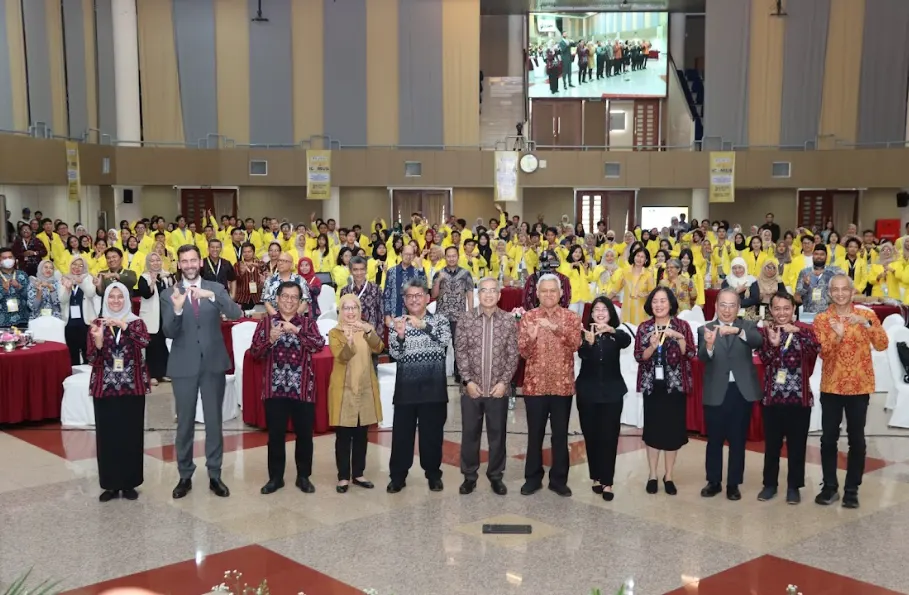
The collaboration, with Universitas Padjadjaran serving as the host institution and Universitas Brawijaya and Universitas Terbuka as partner universities, demonstrates how inter-university partnerships can deliver concrete solutions for communities. As more MSE owners obtain complete legal business status, they are expected to become more competitive, sustainable enterprises that contribute to accelerating post-disaster regional economic recovery.