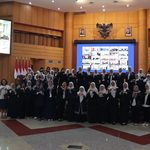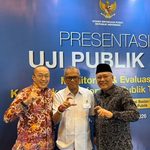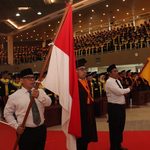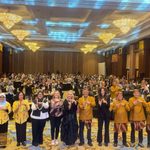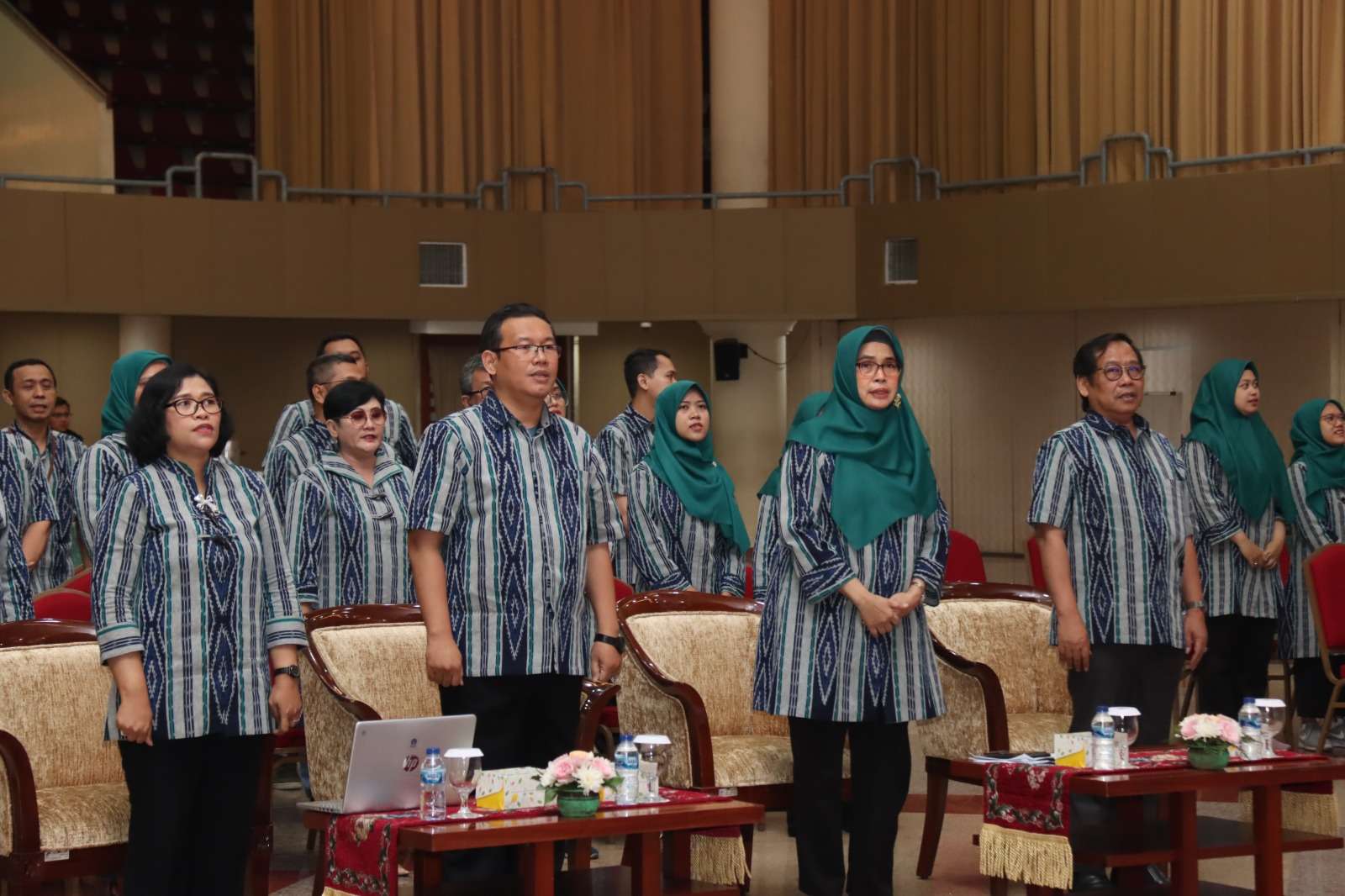


TANGERANG — Addressing concerns over inequality and inclusivity in economic growth, the Faculty of Economics and Business of Universitas Terbuka (UT), in collaboration with Agung Sedayu Group, held the International Seminar on Sharia Economics (ISSE) 2026 on February 12, 2026, at the Marketing Gallery PIK 2 Hall Annex, Tangerang.
Under the theme “Harmonization of Sharia Economic Principles and Sustainable Development Goals (SDGs): An Integrative Strategy for Inclusive Sustainable Development,” the seminar brought together academics, industry practitioners, and regulators to explore how sharia economics can contribute to sustainable and inclusive development.
Representing the Rector, UT Vice Rector for Research, Cooperation, and Business Dr. Hendrian emphasized that global development requires balancing economic growth with social justice, environmental sustainability, and inclusivity. He noted that sharia economic principles—grounded in fairness, social responsibility, and public welfare—align closely with the SDGs.
President Director of Agung Sedayu Group Dr. Nono Sampono highlighted the private sector’s role in advancing sustainable business practices and good governance. He pointed to instruments such as productive zakat, social waqf, and green sukuk as potential drivers for inclusive and sustainable financing.
Siti Rochmawati, Deputy Director of the Sharia Economics and Finance Department at Bank Indonesia, underscored the importance of ethical foundations and effective financial instruments, including ZISWAF (zakat, infaq, sadaqah, and waqf), in reducing poverty and inequality.
The seminar also featured international speakers from Universiti Islam Sultan Sharif Ali (Brunei Darussalam) and the National University of Singapore, fostering cross-border dialogue on strengthening the sharia economic ecosystem.
Through ISSE 2026, UT reinforced collaboration among academia, industry, and regulators to support sustainable development goals through ethical and inclusive economic approaches.