
UT Expands Digital Higher Education Access to Pesantrens: SALUT Inaugurated in Kediri by Coordinating Minister for Human Development and Culture
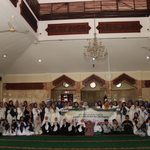
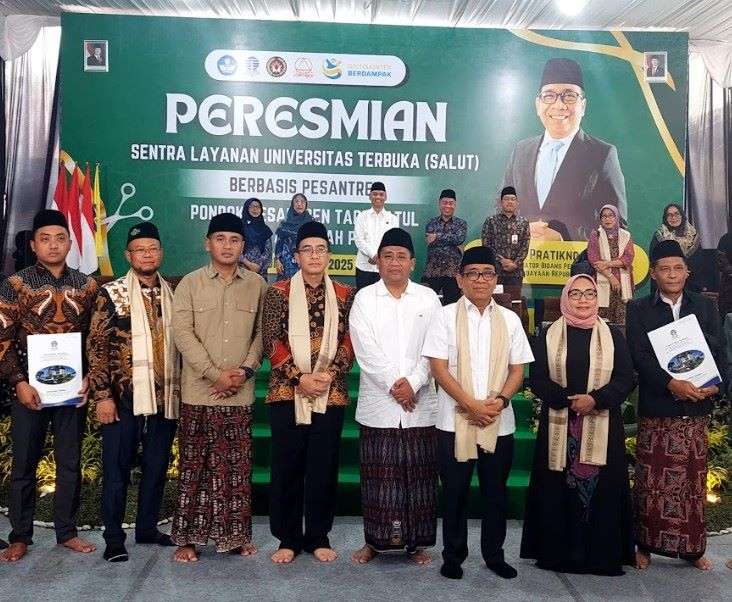
Kediri, July 13, 2024 — The government, in collaboration with Universitas Terbuka (UT), has once again introduced a breakthrough in equitable access to digital-based higher education. One of the strategic steps taken is the inauguration of the Universitas Terbuka Service Center (SALUT) based in a pesantren (Islamic boarding school) at Pondok Pesantren Tarbiyatul Quran Al Falaq, Ploso, Kediri, East Java. The inauguration was carried out directly by the Coordinating Minister for Human Development and Culture (Menko PMK) of the Republic of Indonesia, Prof. Dr. Pratikno, as a tangible form of support for the development of higher education that can be accessed without leaving the pesantren environment.
During the event, the Coordinating Minister for PMK emphasized the importance of presenting a technology-based higher education system capable of reaching all levels of society, including pesantren communities. According to him, UT, through its distance learning model, has provided a concrete solution for santri (pesantren students) to obtain higher education flexibly, without disrupting their religious activities that are already part of their daily life in the pesantren. “Santri who find it difficult to leave their pesantren routine now have easier access because UT is present, collaborating, and offering solutions,” said Pratikno.
He referred to the collaboration between UT and pesantren as a significant match in the world of education this century. “Pesantren have a strong educational and character base, while UT is the largest open university in Indonesia. This is the grandest match of this century in the world of education,” he added.
The flexible and digital learning model offered by UT is considered highly relevant to the needs of the times, especially for groups of people who require a learning system that can adapt to their conditions. Santri no longer need to choose between studying religion or pursuing higher education, because UT allows both to run side-by-side within one ecosystem.
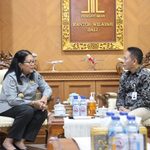
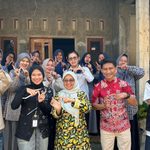
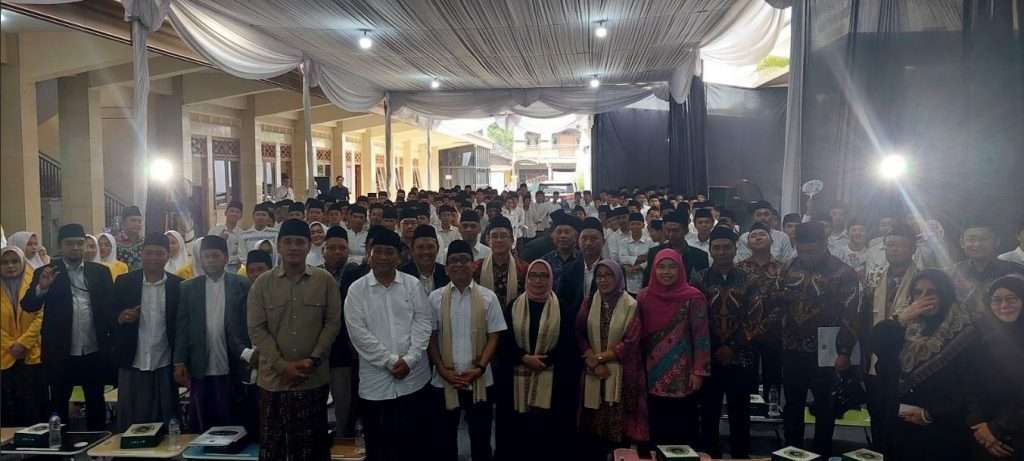
The inauguration ceremony was also attended by the Vice Rector for Academic Affairs of UT, Prof. Rahmat Budiman, S.S., M.Hum., Ph.D., representing the Rector of UT, as well as officials from the Ministry of Women Empowerment and Child Protection (KemenPPPA), deputies for education, and leaders from UT Malang. The Director of UT Malang, Dr. Lilik Sulistyowati, M.Si., stated that UT is ready to assist and ensure that the digital learning ecosystem runs optimally in the pesantren environment. SALUT Al-Falah Ploso is part of UT Malang’s services, which cover 13 regencies/cities in the East Java region, and in the future, will be strengthened through technological support and training for local managers.
In addition to inaugurating SALUT Ploso, UT also launched six new SALUT points spread across other pesantrens, namely SALUT Anak Bangsa in Nganjuk, SALUT Bina Insan Cendikia in Tulungagung, SALUT Nurul Haromain in Pujon Malang, and three other SALUTs in Kediri, namely Lumanjada Darussalam, HQ, and Assakur. This expansion further emphasizes UT’s commitment to extending the reach of higher education services to religious communities that have not been extensively touched by formal online learning systems.
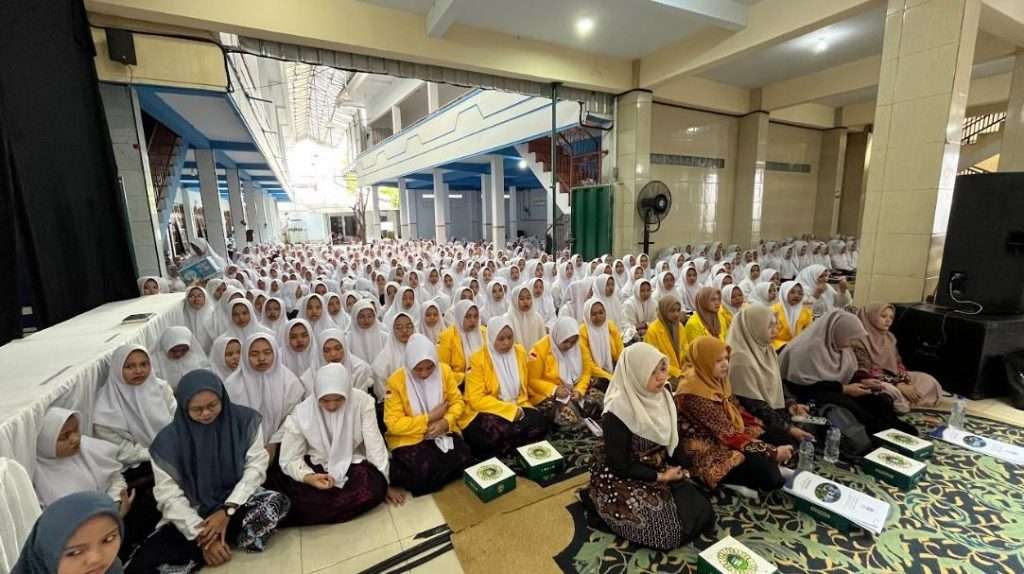
“We are collaborating with SALUT Al Huda, which has become the SALUT for Kediri City and is very capable of synergizing with various pesantrens. This greatly helps UT Malang in expanding flexible study access for santri,” explained Dr. Lilik. She also emphasized that even though UT uses a distance learning system, the quality of its education is maintained and has been nationally and internationally recognized. “We want the public to know that studying at UT is not a second choice, but a strategic choice in the digital era,” she asserted.
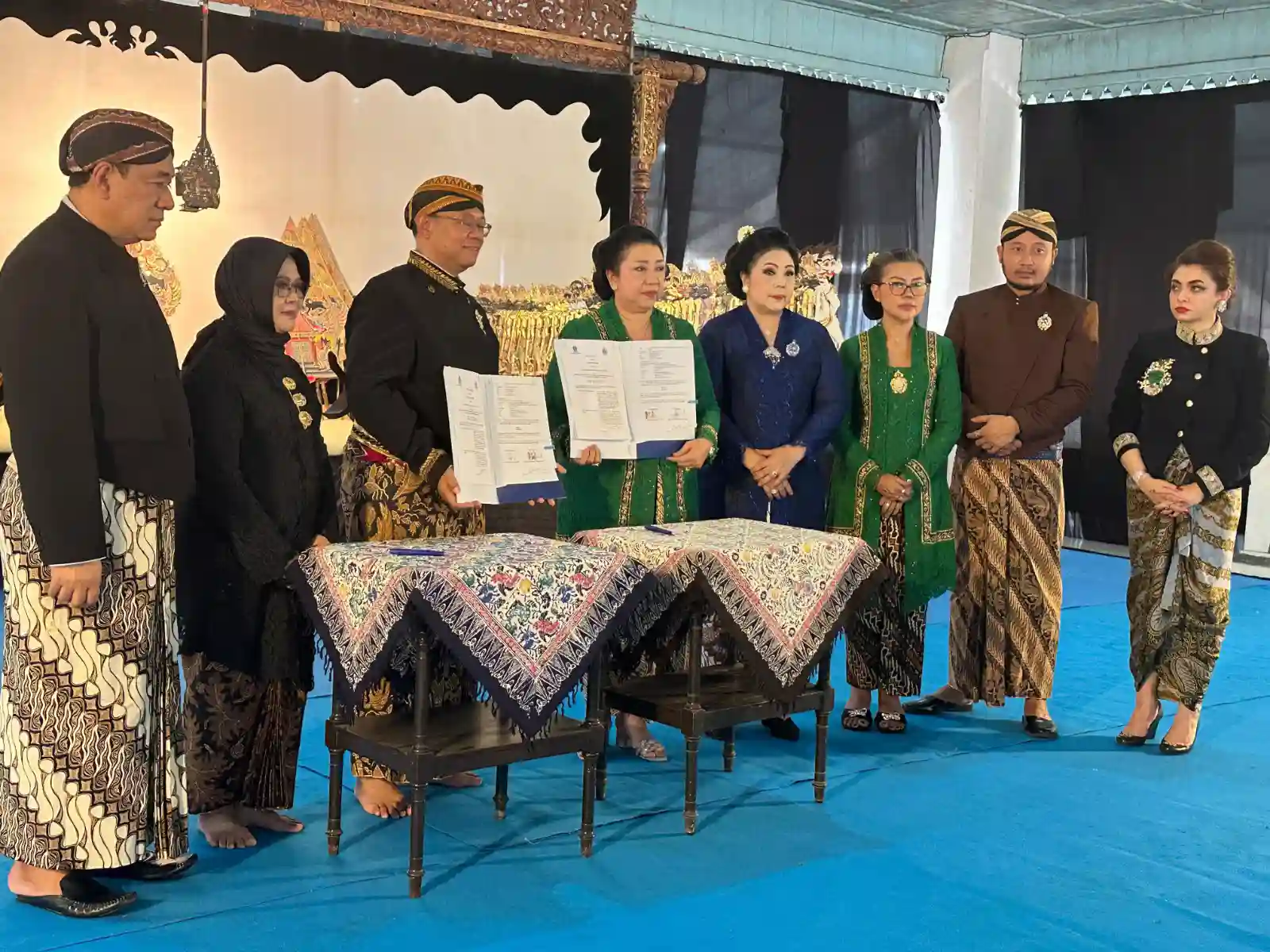
On this occasion, a memorandum of understanding was also signed between UT and the leaders of the pesantren, marking a shared commitment to building a community-based higher education ecosystem. UT also provided educational assistance for santri who have memorized 30 juz (parts of the Quran) as a tangible form of support for improving the quality of santri human resources who excel morally and academically.
Closing the event, the Coordinating Minister for PMK expressed great hope that this collaborative program would continue to be overseen by pesantren caregivers, not only as learning facilitators but also as guardians of the quality and character of UT graduates. He believes that the synergy between the government, higher education institutions, and religious communities will produce a young generation that is not only technologically capable, spiritually strong, and highly competitive. “This is how we build the nation from all directions, including from pesantrens,” he concluded.
With the inauguration of this pesantren-based SALUT, Universitas Terbuka reaffirms its role as a pioneer in distance higher education that is adaptive to community needs. UT continues to strengthen innovation and inclusivity to reach those who have not yet been touched by formal higher education services. For santri, this is a golden opportunity to gain academic and religious knowledge in a balanced way. For Indonesia, this is a long-term investment to form an excellent generation with a real impact.