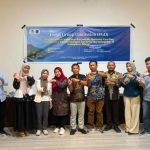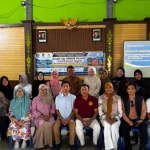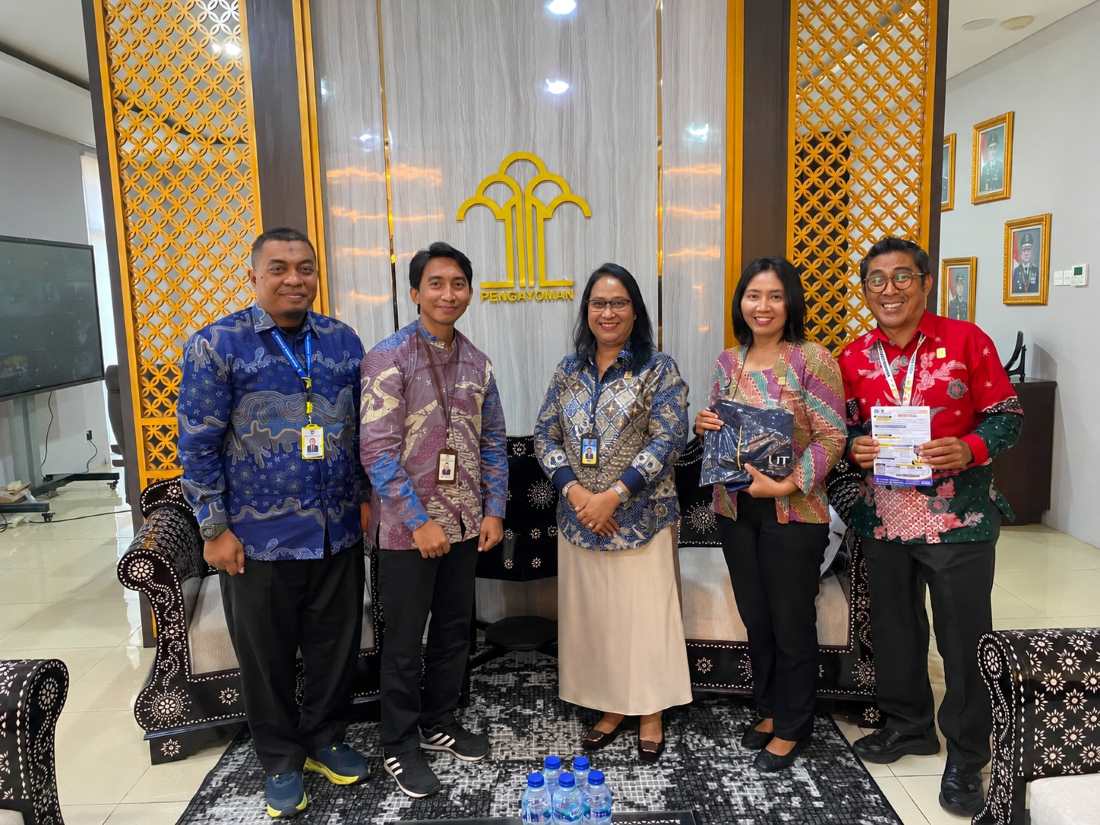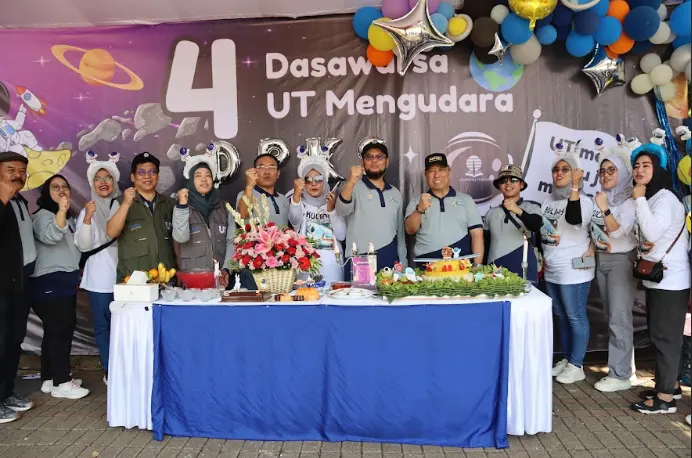

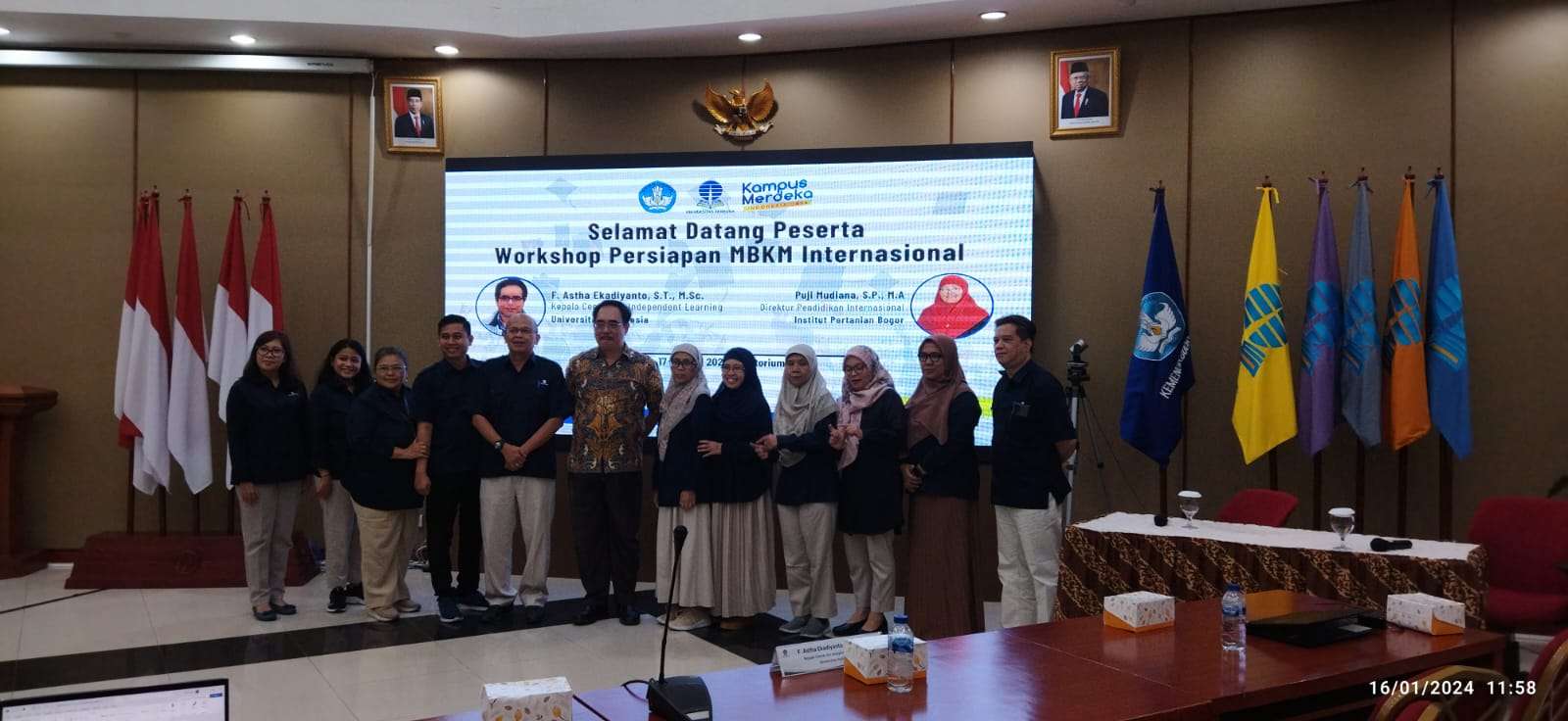
Tangerang Selatan, 16/01/2024 – The International MBKM Preparation Workshop, held on January 16-17, 2024, at the Faculty of Science and Technology (FST) Auditorium, Universitas Terbuka (UT). The workshop commenced with a report from the Chair of the Committee, Dr. Ernik Yuliana, S.Pi, MT, Deputy Dean for Academic Affairs at FST UT. He highlighted that the Kampus Merdeka Program, known as MBKM (Merdeka Belajar Kampus Merdeka), One of the educational program from the Ministry of Education and Culture. MBKM is intended for academics to cultivate creative, innovative graduates ready to face the challenges of the Industry 4.0 era.
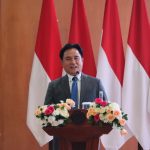
Following this, the event was officially remarked and opened by the Dean of FST, Dr. Subekti Nurmawati, M.Si. He expressed that MBKM International, a strategic program to enhance skills and competencies, also provides students with opportunities to improve their capabilities according to industry needs. MBKM will have a positive impact on students as they become accustomed to adapting and solving societal issues based on their knowledge.
The first speaker at the International MBKM Preparation Workshop was F. Astha Ekadiyanto, ST, M.Sc, Head of the Centre for Independent Learning at the Universitas Indonesia, moderated by Hendrikus Ivoni Bambang Prasetyo, S.Sos, M.Si.
F. Astha Ekadiyanto explained that the MBKM program aims to improve the quality of students by polishing their creativity, allowing them to apply democratic culture on campus, and having a freedom of thought that extended beyond the academic environment.
Students can develop both hard skills and soft skills from academics, enabling them to evolve into graduates with relevant skills for the times.
High competition in the job market requires students to step out of their comfort zones, this will only be achievable if they have trained expertise. The MBKM program is one effort towards realizing this goal.
Meanwhile, opening the access to collaboration with foreign universities can be accomplished based on networking, empowering the students, alumni, and lecturers who are studying and gaining knowledge
Indonesian universities must continuously strengthen partnerships with foreign universities because the potential for collaboration in the field of research and scientific development is primarily settled by networking.
Collaborative programs such as student exchange, student mobility, internships, research collaboration, and dual degrees for students and lecturers can be utilized to achieve these goals.
The second speaker, Puji Mudiana, S.P, MA, Director of International Education at IPB University, discussed the Indonesian International Student Mobility Awards program. This can be applied by Indonesian undergraduate students in their fourth to seventh semesters at universities within the Directorate General of Higher Education, Ministry of Education and Culture meeting the criteria, to study for one semester at distinguished foreign universities.
Through this program, students have the opportunity to interact with international students, instructors, and local communities at foreign universities, besides participating in various cultural activities at their respective universities.
In this program, students can take up to 20 credit hours in courses of interest outside their major.
Puji Mudiana passionately emphasized, “These credits and courses will then be acknowledged by their home universities as part of the student’s curriculum.” Hopefully useful.