
SAMARINDA — Pursuing higher education while working is not easy, particularly for public officials who have daily responsibilities to serve the community. This need is being addressed by Universitas Terbuka (UT) Samarinda and the Government of Kabupaten Mahakam Ulu through an exploration of an education partnership aimed at expanding access while strengthening the capacity of human resources (HR) in the region.
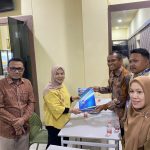
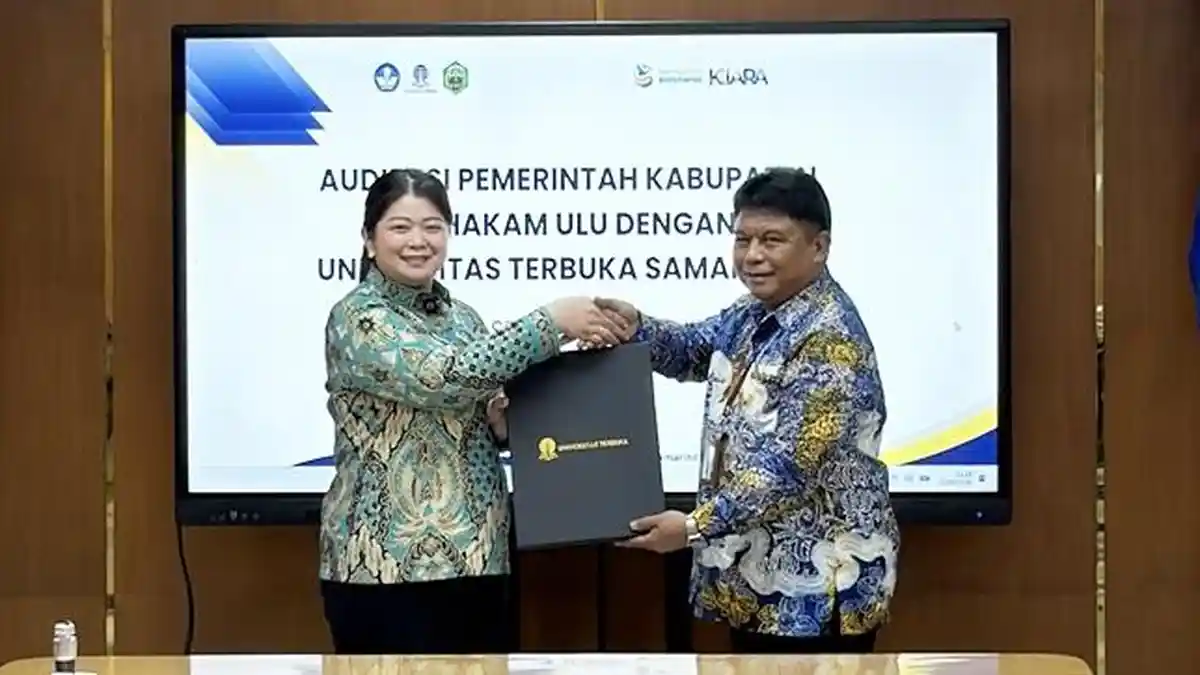
The meeting, held at the UT Samarinda Office on Friday (September 25, 2026), discussed a proposed Cooperation Agreement (Perjanjian Kerja Sama – PKS) with two main agendas: the Recognition of Prior Learning (Rekognisi Pembelajaran Lampau – RPL) program for Village Government Officials (Aparatur Perangkat Desa – APD) and scholarship facilitation for Civil Servants (Aparatur Sipil Negara – ASN), and for public in general.
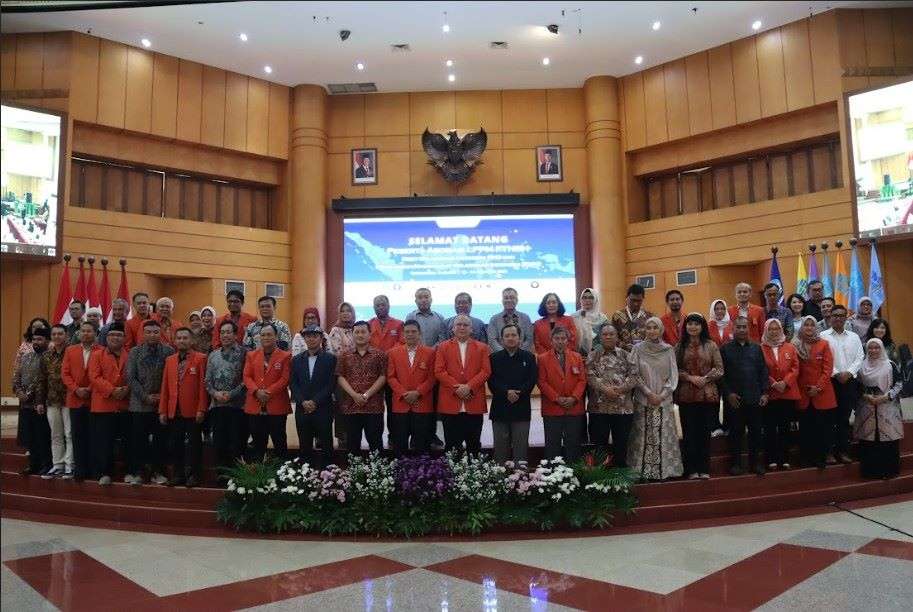
The meeting was attended by Mahakam Ulu Regent Angela Idang Belawan, along with Head of the Education and Culture Office Samsong Batang, Head of the Elementary and Secondary Education Division Raditya Wibawa, Section Head of Elementary and Secondary Education Cecilia Erika Martina, and Head of the Protocol and Communications Section Christianus Arie. Representing UT Samarinda were Director Drs. Rusna Ristasa and a number of managers.
RPL Opens a Path for Village Officials to Continue Their Education
For village officials, RPL is one of the key points in the proposed partnership. Through this scheme, work experience and competencies already acquired can be recognized as part of learning outcomes in formal education.
By taking into account their experience and competencies, village officials have the opportunity to continue their education to a higher level without having to set aside the professional experience they have built while working. The scheme also provides access to a learning pathway that is more adaptive to the needs of officials in the region.
Meanwhile, scholarship facilitation is designed to expand opportunities for the people of Mahakam Ulu to access higher education. The program targets ASN and APD, as well as members of the general public who need access to education.
Expanding learning opportunities is important for a region whose geographical conditions present particular challenges. Through more accessible education, people can not only gain opportunities to improve their academic qualifications but also develop competencies relevant to employment and regional development needs.
Pursuing Study, While Public Service Responsibilities is On-Going
The proposed partnership also brings together regional needs with UT’s open education model based on Distance Learning (PJJ). This model provides flexibility for ASN, village officials, and the public to continue their education without having to leave their jobs and responsibilities to serve the community.
For officials, this flexibility is an important part of maintaining a balance between competency development and the fulfillment of their duties. Education that can be pursued while continuing to work also provides opportunities for officials to bring new knowledge and skills directly into their work environment.
Ultimately, improving human resource capacity not only benefits individuals but can also support the quality of public services and the readiness of the workforce to respond to regional development needs. This is in line with the spirit of quality education and competency development to support more productive and sustainable employment.
From Educational Opportunities to Strengthening Regional Human Resources
Mahakam Ulu Regent Angela Idang Belawan expressed hope that the discussions would soon proceed to the implementation stage so that the benefits of the partnership could be felt by the community in the near future.
“We certainly encourage the partnership to be followed up soon so that the programs that have been discussed can begin to be realized this year,” she said.
UT Samarinda Director Drs. Rusna Ristasa welcomed the proposed collaboration. According to him, cooperation with the Government of Kabupaten Mahakam Ulu could be a positive step toward expanding opportunities for the public to pursue higher education that is flexible and suited to their circumstances.
“We are ready to carry out this cooperation because this is a positive step to support education for the people of Mahakam Ulu,” he concluded.
If followed up, this partnership would not merely open pathways to higher education for officials and the public. More broadly, RPL and scholarship facilitation could become part of efforts to develop regional human resources through more inclusive access to education, while strengthening community competencies so that they are increasingly prepared to contribute to the workforce and the development of Mahakam Ulu.
Thus, education does not stop at earning a degree but becomes a foundation for increasing the capacity of officials, strengthening public services, and opening up more opportunities for the community.