
SUBANG — For prospective Indonesian migrant workers preparing to build careers in Japan, vocational training is an important foundation before entering the workforce. However, opportunities for personal development do not have to end once they have acquired the necessary job skills. Learning experiences gained during training may also open a pathway to higher education through Universitas Terbuka’s (UT) Recognition of Prior Learning (RPL) program.
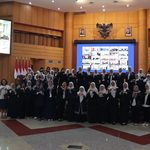
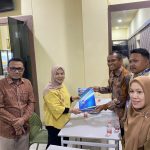
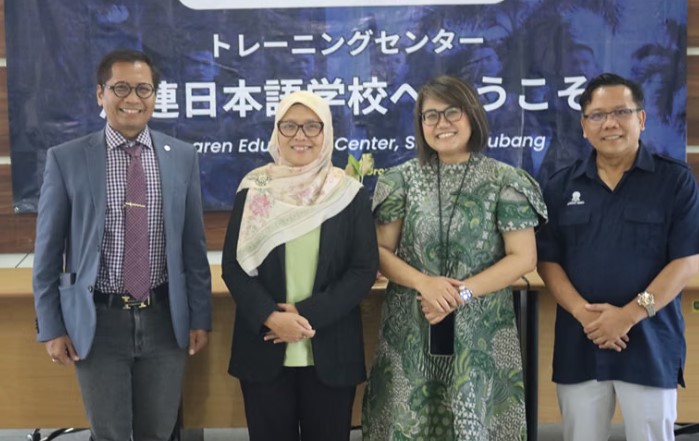
This opportunity was among the initiatives explored by UT through a strategic visit by UT’s Overseas Services (UT LLN) to Hamaren Vocational Training Institution (Lembaga Pelatihan Kerja – LPK Hamaren) in Kabupaten Subang, Jawa Barat, on Tuesday (October 20, 2026). The visit aimed to assess the alignment of the training curriculum with UT’s RPL implementation while exploring opportunities for competencies acquired by prospective migrant workers to support their progression to higher education.
For Usman, founder and head of LPK Hamaren, academic recognition of the learning experiences gained at his institution could create broader opportunities for graduates to work in Japan while pursuing university studies through Universitas Terbuka’s (UT) distance-learning system. He hopes the competencies acquired during training can be recognized through the RPL scheme, allowing students to avoid repeating learning activities for skills they have already mastered.
“Our hope is that the learning experiences gained at LPK Hamaren can be recognized by UT. That way, when they work and study simultaneously in Japan, they will not have to repeat the entire learning process for competencies they have already mastered,” Usman said.
Through RPL, relevant learning experiences and competencies can be assessed for academic recognition in accordance with applicable regulations. This mechanism has the potential to help students pursue higher education more efficiently, particularly those who need to balance work and academic commitments.
Efforts to expand these opportunities align with Sustainable Development Goal (SDG) 4 on Quality Education, particularly in promoting more inclusive and flexible access to education. By recognizing learning already completed, prospective migrant workers have the opportunity to develop their academic qualifications without disregarding the experience and competencies they already possess.
Director of UT Overseas Services, Dr. Pardamean Daulay, said the discussions with LPK Hamaren build on the collaboration established through the opening of the Hamaren Universitas Terbuka Service Center (SALUT) in Hamamatsu, Japan, in 2024. Currently, SALUT Hamaren serves approximately 500 UT students working in various sectors across Japan.
According to Dr. Pardamean Daulay, connecting vocational training with higher education is important for supporting migrant workers’ capacity development. They need not only the skills required to enter the workforce but also opportunities to improve their academic qualifications as preparation for the future.
“The RPL program makes access easier for prospective Indonesian migrant workers. They need not only job skills but also opportunities to improve their academic qualifications as preparation for the future,” he said.
In addition to recognizing competencies, support for migrant workers’ education is also being explored through a proposed scholarship program. Executive Director of the Association of Former Village Heads of Indonesia (Perkumpulan Purnabakti Kepala Daerah Seluruh Indonesia – Perpukadesi), Dr. Himmatul Hasanah, M.P., who also attended the visit, outlined plans for a scholarship program for Indonesian migrant workers to support the development of human resources in their regions of origin.
Dr. Himmatul Hasanah, M.P. considers improving the quality of migrant workers’ human resources a long-term investment. The education and international experience they gain while working abroad are expected to serve them when they return to Indonesia, including in establishing independent businesses and contributing to regional economic growth.
The collaboration between UT, LPK Hamaren, and Perpukadesi is expected to expand opportunities for prospective migrant workers to develop their competencies while continuing their higher education. By connecting vocational training, recognition of prior learning, and educational support, the journey toward international employment could become part of a broader pathway to building a better future.