
Tangerang Selatan – Soap-making training can end once the product has been molded. However, Universitas Terbuka is taking the learning process further. Learners at PKBM Surya Bangsa in Tangerang Selatan were not only introduced to processing Lerak into soap, but were also equipped with skills to make their products more ready to be introduced to the market.
The Chemistry Education Study Program of the Faculty of Teacher Training and Education (FKIP) at Universitas Terbuka (UT) provided the training through a Community Service (PkM) program titled “From Nature to Nurture: Training in Making and Packaging Artisan Lerak Soap to Improve Life Skills and the Productive Economy of PKBM Surya Bangsa Learners.”
The program was designed not merely to introduce soap-making using natural materials. Learners were guided to acquire skills that could be further utilized, from processing materials and producing products to supporting the marketing process.
Head of the PkM Team Ayu Fahimah Diniyah Wathi said the activity was aimed at providing practical skills to learners so they could process natural materials into products with both functional and economic value.
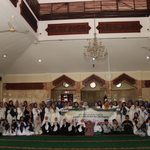
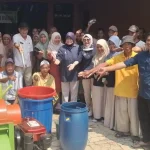
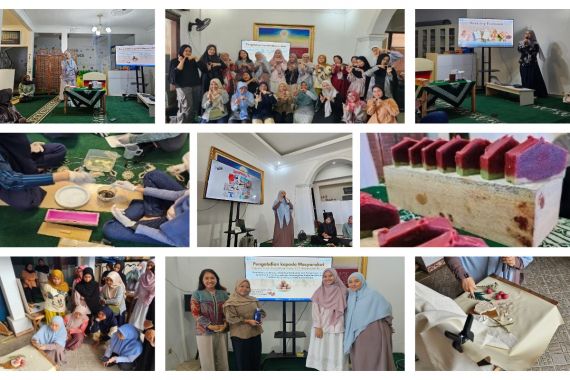
The first stage of the training took place on June 13, 2026, at PKBM Surya Bangsa, Pondok Cabe Ilir, Pamulang, Tangerang Selatan. Participants received material on making Lerak-based soap delivered by Dola Suciana, followed by a demonstration and hands-on soap-making practice guided by Ayu.
“Lerak was chosen because it is a natural material that can be utilized as a cleaning agent,” Ayu said in a written statement on Monday (14/9).
Through the practice, learners were introduced to the process of processing Lerak extract into soap that has the potential to be developed as a product with economic value.
However, the ability to produce the product was not the only skill provided.
“The training did not stop at the ability to produce soap. Learners also received training to support product marketing,” Ayu said.
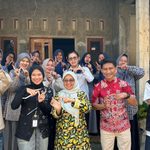
The training then continued with the second stage, held on September 12, 2026. This time, learners acquired product photography skills with product photography practitioner Dhiah Rizkah Anggraeni.
Participants learned basic techniques to enhance product presentation, ranging from arrangement, lighting, background selection, and composition to camera angles.
These skills were part of an effort to expand the learners’ capabilities. The products they had made were not simply left as the results of practical training, but were also prepared to be presented more attractively when introduced through social media and e-commerce platforms.
This is where the impact of the training is seen not only in the soap products successfully produced. Learners acquired a series of interconnected skills, from utilizing natural materials and processing them into products to learning how to support their marketing.
Head of PKBM Surya Bangsa Wina Trsena Rahayu said the training could increase learners’ knowledge and skills, which had the potential to be developed into business activities.
“This activity is very beneficial for learners in improving their abilities and knowledge in developing businesses, particularly in making Lerak soap,” Wina said.
After the production and marketing training, the program did not immediately end. The next stage was an evaluation to determine the extent to which the knowledge and skills acquired by participants could be understood, applied, and utilized.
The evaluation was also aimed at examining opportunities for the sustainable development of Lerak soap products after the PkM program ended. Through this stage, aspects that still need to be strengthened could be identified so that the learners’ skills would have room to continue developing independently.
Thus, UT’s involvement through this PkM program provided broader skills than merely the experience of making soap. Learners had the opportunity to develop life skills that could be connected to creativity, natural-material processing, and productive economic activities.
From Lerak, which had previously been viewed simply as a natural material, learners were encouraged to see other possibilities: processing it into a product, understanding how to present it, and recognizing steps that could support its further development. For Universitas Terbuka, this process is part of an effort to provide learning that does not stop at knowledge, but can be applied in everyday life and create opportunities for people to develop their skills more independently.