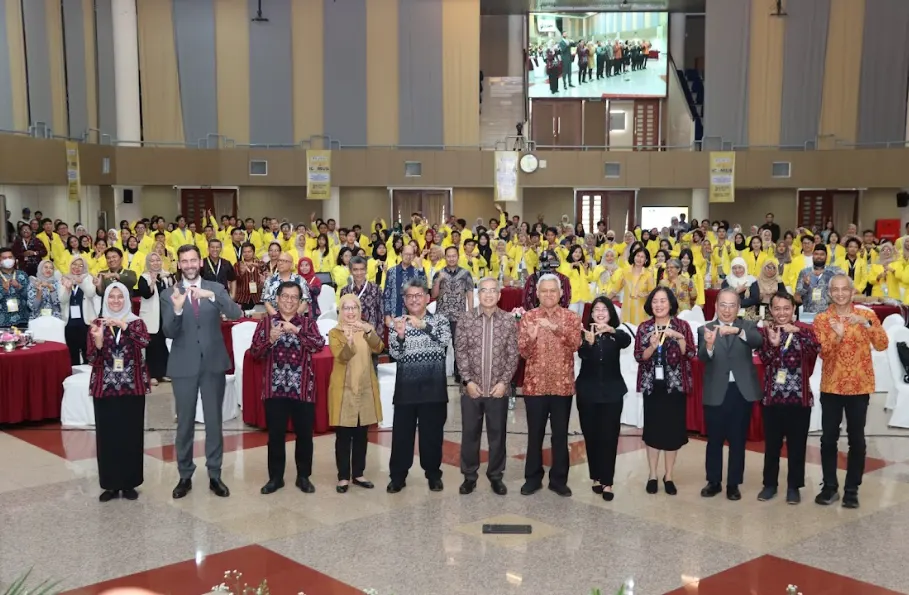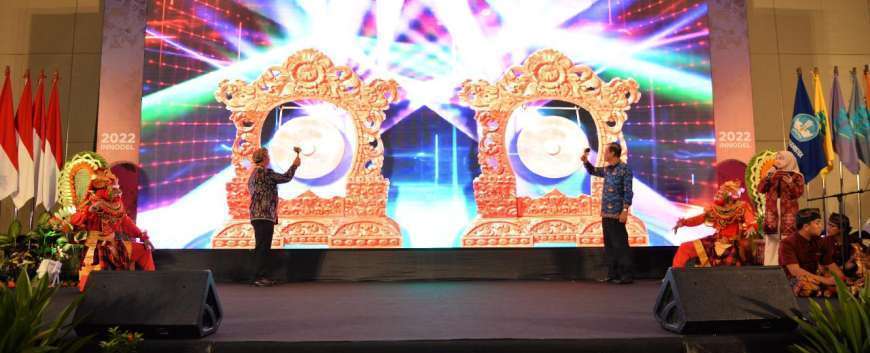

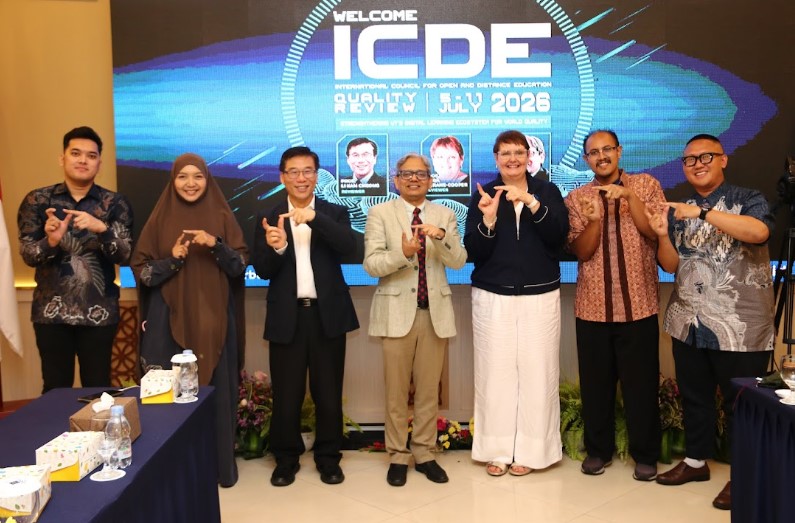
TANGERANG SELATAN – For more than 766,000 students across Indonesia and in various countries, Universitas Terbuka (UT) is more than an institution specializing in open and distance learning, it is a bridge that provides access to quality higher education regardless of geographical location, time constraints, or personal background. Yet for UT, expanding access alone is not enough. Behind millions of online learning interactions lies a strong commitment to continuously maintaining and enhancing the quality of its educational services. That commitment was reaffirmed through the International Council for Open and Distance Education (ICDE) Quality Review 2026, which officially opened at the Universitas Terbuka Convention Center (UTCC) in Tangerang Selatan on Monday (July 6, 2026). The event marks a strategic step in strengthening UT’s quality culture while accelerating its transformation into a world-class university.
The ICDE is an international organization recognized as a global reference for the development of open and distance education. Its Quality Review serves as an internationally acknowledged quality assurance mechanism for institutions delivering open and distance learning programs.
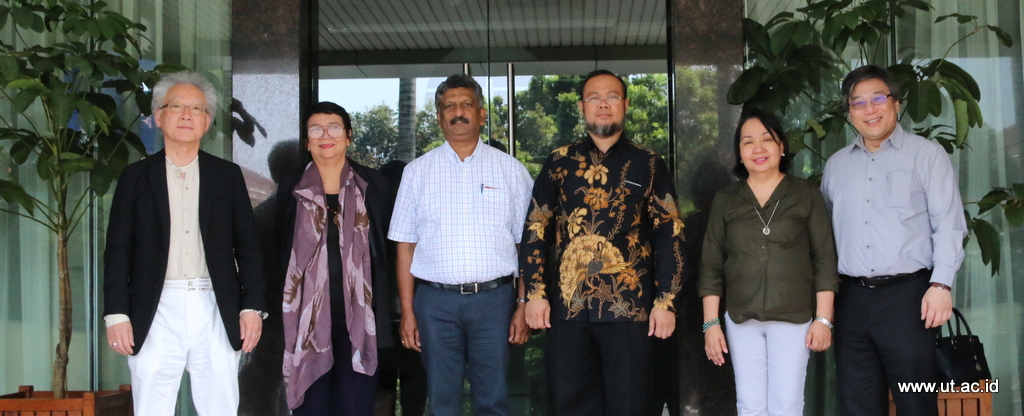
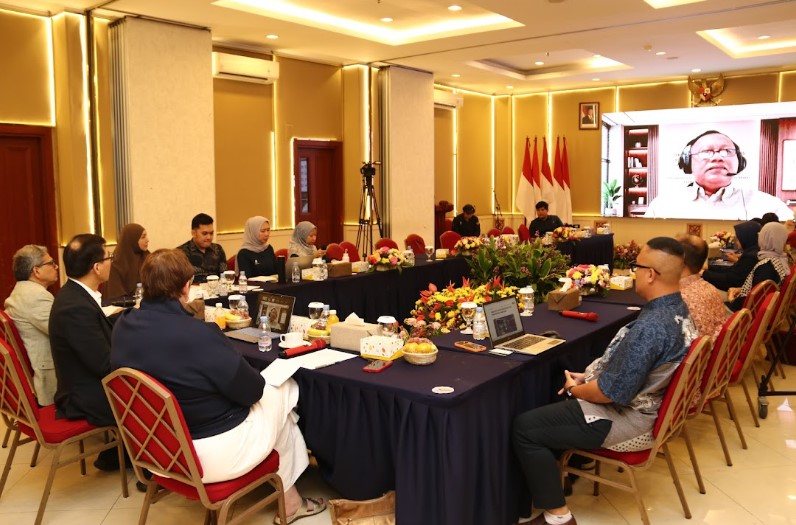
Under the theme “Strengthening UT’s Digital Learning Ecosystem for World Quality,” the ICDE Quality Review, taking place from July 5 to 11, 2026, provides UT with an opportunity to evaluate and strengthen its digital learning ecosystem against international standards. The review is conducted by internationally renowned experts in open education, including Prof. Li Kam Cheong (Hong Kong) as Lead Reviewer, Prof. Linda Amrane-Cooper (United Kingdom), and Dr. Sanjaya Mishra (India). UT Rector Prof. Dr. Ali Muktiyanto, S.E., M.Si., stated that the ICDE Quality Review is not merely about meeting international quality standards but also serves as an opportunity for institutional reflection, gaining fresh perspectives, and reinforcing the university’s future development strategy.
This commitment has become increasingly relevant as UT now serves students from highly diverse backgrounds, including recent high school graduates, teachers, civil servants, professionals, and individuals returning to higher education after years away from academic study. This diversity represents both a unique strength and a challenge that requires increasingly inclusive and adaptive educational services.
“This diversity is one of UT’s greatest strengths, but at the same time, it requires more adaptive and personalized support,” said Prof. Rahmat Budiman, S.S., M.Hum., Ph.D., UT Vice Rector for Academic Affairs and Student Affairs.
To address these challenges, UT continues to strengthen its digital transformation through a range of innovations, including Predictive Analytics and an Early Warning System to support early student intervention, as well as the implementation of Single Sign-On (SSO), integrated learning platforms, mobile applications, Artificial Intelligence (AI)-based services, academic chatbots, and Learning Analytics. These innovations form the strategic foundation of UT’s integrated digital learning ecosystem, designed to continuously improve educational services for all stakeholders.
These initiatives also reinforce UT’s contribution to the Sustainable Development Goals (SDGs), particularly SDG 4 (Quality Education) by providing inclusive, flexible, and affordable access to higher education. At the same time, strengthening digital competencies and technological innovation supports SDG 8 (Decent Work and Economic Growth) and SDG 9 (Industry, Innovation and Infrastructure).
UT’s transformation also received positive recognition from the ICDE international review team. Lead Reviewer Prof. Li Kam Cheong noted that the university’s progress since the previous Quality Review demonstrates a strong commitment to implementing recommendations while exceeding existing quality standards. According to him, this commitment is reflected in the expanded scope of the ICDE Quality Review 2026, which now evaluates not only the original six core areas but also research, outcomes and impact, as well as diversity and inclusion.
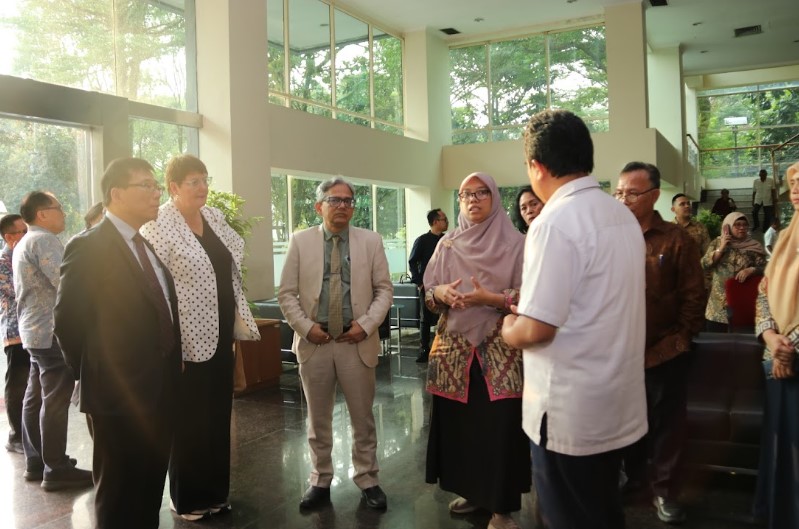

Similar appreciation was expressed by Dr. Sanjaya Mishra and Prof. Linda Amrane-Cooper. They highlighted UT’s consistent innovation in open education, its ability to serve hundreds of thousands of students across Indonesia’s diverse archipelagic regions, and its capacity to adapt to change, positioning UT as an important international reference in the development of open and distance learning.
“We see that UT is not simply striving to meet existing standards, but is determined to exceed them and become an institution capable of establishing new benchmarks for open and distance education,” said Prof. Li.
More than a quality assessment process, the ICDE Quality Review 2026 reflects UT’s long-term commitment to fostering a culture of continuous quality improvement. Through evaluation, institutional reflection, and collaboration with leading international experts in open education, UT continues to strengthen its governance, academic services, and digital learning ecosystem to better respond to the evolving needs of society. In an era of rapid transformation, this commitment provides a solid foundation for UT to continue delivering inclusive, high-quality, and globally competitive higher education while further advancing its vision of becoming a World-Class Cyber University.