
Tangerang Selatan, June 17, 2026 – For local communities, water is more than a matter of pipelines, irrigation systems, or infrastructure. It is an essential resource that affects nearly every aspect of daily life—from household activities and agriculture to environmental sanitation and community well-being. When access and distribution remain uneven, water management becomes a social issue that requires collective understanding, inclusive dialogue, and collaborative solutions.
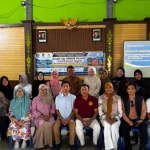
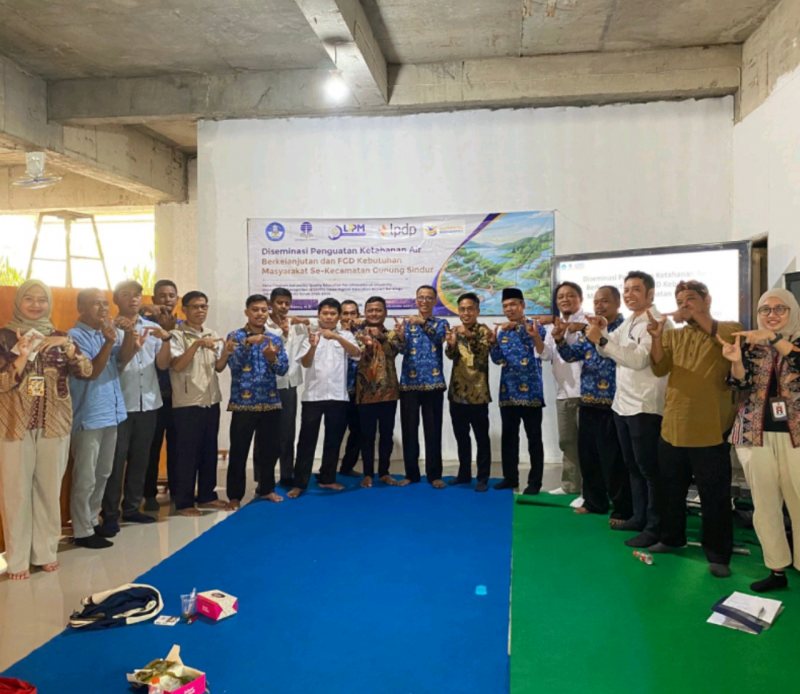
Driven by this commitment, the Open University (Universitas Terbuka/UT), through its Islamic Economics Study Program, organized a Community Service (Pengabdian kepada Masyarakat – PKM) Program titled “Dissemination on Strengthening Sustainable Water Resilience and Focus Group Discussion (FGD) on Community Water Needs Across Gunung Sindur District” on Wednesday, June 17, 2026, at the Office of Kecamatan Gunung Sindur.
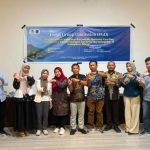
The event served as a platform for academics, local government officials, technical stakeholders, and village representatives to discuss water management challenges in Gunung Sindur. Through this initiative, UT reaffirmed its commitment to extending the role of higher education beyond the classroom by working directly with communities to identify and address real-world needs.
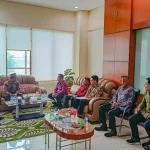
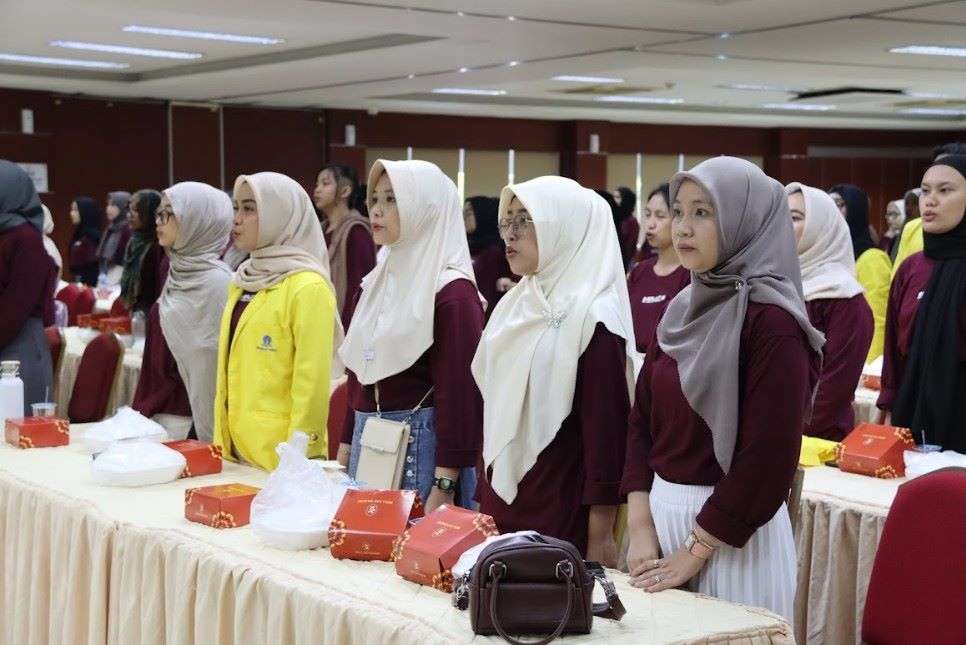
The forum was attended by the Head of Kecamatan Gunung Sindur M. Jamalludin, S.IP., M.Si., representatives from the Class A Irrigation Infrastructure Technical Unit (UPTD) Region 2, and Fuad Hadziq, M.Si., Head of UT’s Islamic Economics Study Program and Chair of the community service initiative. Village heads and representatives from every village across Kecamatan Gunung Sindur also participated, sharing firsthand perspectives from their respective communities.
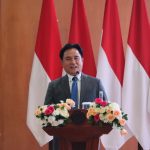
In his opening remarks, Head of Kecamatan Gunung Sindur, Jamalludin, expressed appreciation for UT’s initiative in creating a collaborative forum to discuss water-related challenges. According to him, water security is a strategic community concern that cannot be resolved through isolated efforts but requires cross-sector collaboration.
“We sincerely appreciate this initiative and the contribution of the academic community through this program. We hope this dissemination and FGD will help identify challenges while generating practical solutions to strengthen sustainable water resilience for the people of Gunung Sindur,” he said.
Meanwhile, Fuad Hadziq explained that the program was designed to gather concrete information about community needs, particularly regarding water access, distribution, and governance. He emphasized that water resilience extends beyond technical infrastructure, encompassing governance, community participation, and sustainable local policies.
“Collaboration among local governments, communities, and academics is the key to addressing various water resilience challenges. Through this forum, we hope to produce practical recommendations that will have a direct impact on local communities,” he said.
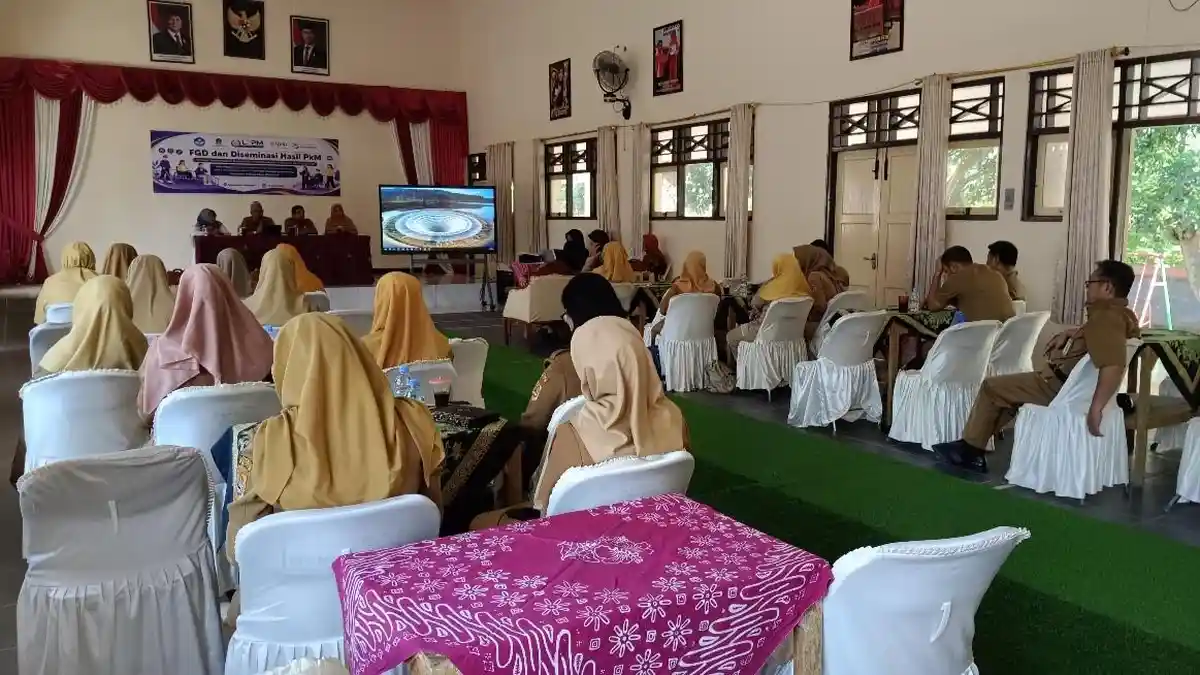
The focus group discussion was highly interactive, with participants sharing a wide range of issues affecting their respective areas, including unequal water distribution, irrigation infrastructure conditions, and the need to strengthen community-based water management systems. These insights were considered especially valuable because they came directly from village leaders and residents who deal with water-related issues in their daily lives.
Through the forum, UT encouraged the development of a more comprehensive water needs assessment to serve as the foundation for strengthening sustainable water resilience throughout Gunung Sindur District. The initiative aligns with the Sustainable Development Goals (SDGs), particularly those promoting clean water and sanitation, sustainable communities, quality education, and multi-stakeholder partnerships.
The community service program was supported by the LPDP and the Ministry of Higher Education, Science, and Technology through funding from the Enhancing Quality Education for International University Impact and Recognition (EQUITY) program. The initiative also contributes to UT’s efforts toward achieving the Times Higher Education Impact Rankings 2025–2026.
In Gunung Sindur, the role of higher education finds its true meaning in addressing issues that directly affect people’s daily lives. Through dialogue, community needs assessment, and cross-sector collaboration, UT demonstrates that universities can contribute not only by generating knowledge but also by helping communities build more equitable, sustainable, and impactful water management solutions.