
Lebak, June 16, 2026 — In Leuwidamar, village development is about more than infrastructure. It is driven by aspirations that are closer to people’s everyday lives: enabling young people to pursue higher education without leaving their hometowns, equipping tourism operators to better serve visitors, and empowering local communities to develop their regional potential in more sustainable and innovative ways.
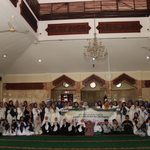
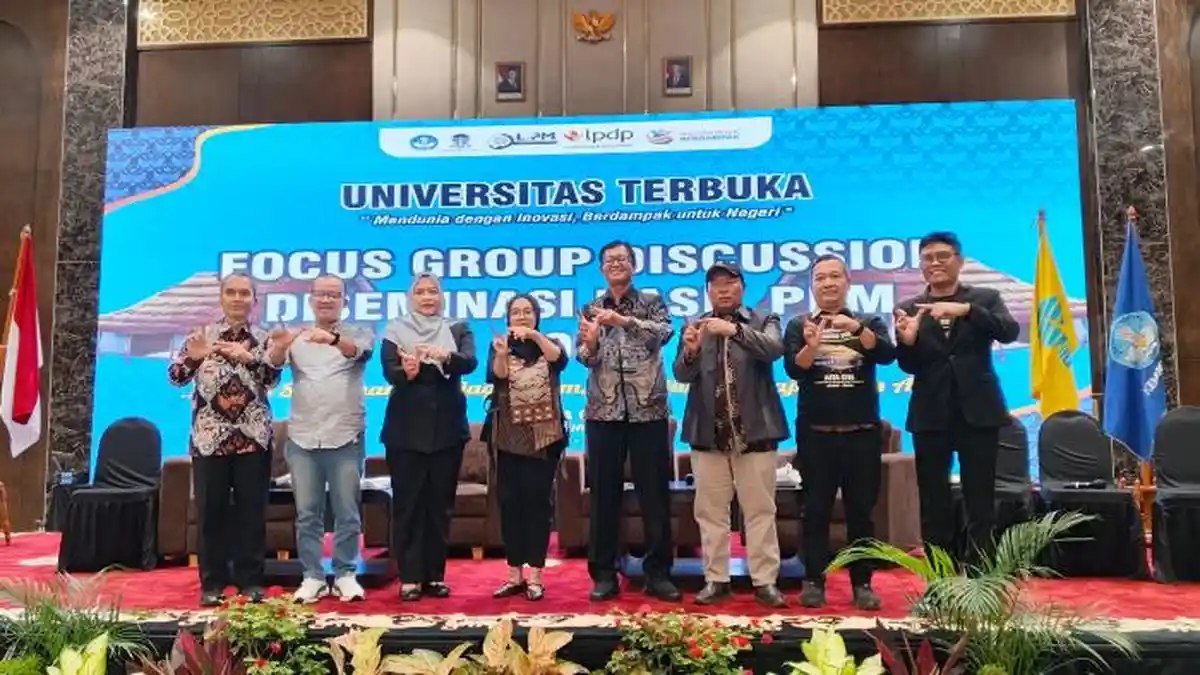
That vision was at the heart of the 2026 Focus Group Discussion (FGD) and Dissemination of the results of National Community Service (Pengabdian kepada Masyarakat – PKM), organized by Universitas Terbuka (UT) at Hotel Grand Keisha Rangkasbitung, Kabupaten Lebak, Banten, on Tuesday (June 16, 2026). Through the forum, UT sought to ensure that community service extends beyond academic initiatives by addressing local needs while fostering long-term collaboration with community stakeholders.
Organized by the UT Center for Community Service under the Institute for Research and Community Service (LPPM UT), the event carried the theme “The Sustainability of the Asta Cita Program as a Pillar of Regional Village Development in Leuwidamar District, Lebak Regency.” The program forms part of the Enhancing Quality Education for International University Impacts and Recognition (EQUITY) Times Higher Education Impact Rankings UT 2025–2026, funded by the Lembaga Pengelola Dana Pendidikan (LPDP) through the Diktisaintek Berdampak funding scheme.
Chair of the organizing committee, Dr. Suhartono, S.Pd., M.Pd., explained that the forum served two primary purposes. In addition to disseminating the outcomes of community service initiatives, it provided a platform to discuss community needs based on data collected during previous PKM activities. As a result, future programs are designed not from a distance but through direct engagement with local communities and their identified priorities.
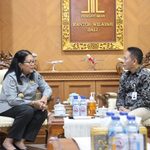
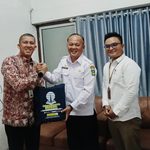
One of the strongest expressions of support came from Leuwidamar District Head H. Agung Nugraha, S.E., M.M., who appreciated UT’s continued commitment to community empowerment in the region. He also expressed hope that UT Serang would establish an off-campus learning center in Leuwidamar, allowing local high school graduates to pursue higher education without having to travel long distances.
The proposal reflects the realities faced by many communities such as Leuwidamar, where access to higher education remains challenging—not because of a lack of motivation, but due to barriers related to distance, cost, and opportunity. Through its flexible learning system, UT offers a pathway to bring higher education closer to underserved communities.
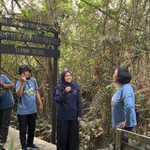
From the tourism sector, Yosep Mohamad Holis, Head of the Lebak Regency Office of Culture and Tourism, described UT’s contribution as an important component of community empowerment. He noted that the Baduy Cultural Tourism Area in Ciboleger has now been included among Indonesia’s 125 National Event Agenda destinations. According to him, the Baduy cultural area is no longer solely a local asset but has become part of Indonesia’s national and international cultural heritage.
For that reason, strengthening the communities surrounding the cultural tourism area has become increasingly important. Yosep identified four priority areas for development: human resource capacity building, tourism product development, marketing strategies, and tourism innovation. In this context, higher education institutions play a strategic role by connecting academic knowledge, technological innovation, and the practical needs of local communities.
Support for UT’s initiatives was also expressed by Doddy Irawan, Head of the Lebak Regency Education Office, who commended the university’s commitment to delivering tangible benefits through sustainable community service programs. Meanwhile, Rido Novara Nataatmaja, Acting Head of the Community and Village Empowerment Office, emphasized the importance of continued collaboration between UT and the local government, particularly in strengthening village economic institutions as key drivers of regional development.
Head of UT’s Center for Community Service, Dr. Heriani, S.I.P., M.A., explained that UT has been implementing community service programs in Lebak Regency since 2020. Over the years, these initiatives have expanded to include teacher professional development, Classroom Action Research training, dissemination of the National Mental Revolution Movement, community economic empowerment, village tourism development, and Green Economy initiatives.
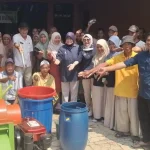
In 2026, the programs entered a broader phase of development. UT is promoting digital marketing, innovation in traditional local food products, conflict resolution based on local wisdom, the production of a disaster mitigation animated film titled “Bahaya Ngabaikan Ayah” (“The Danger of Ignoring Father”), revitalization of local folklore, implementation of a circular economy model in Tanjung Sari Indah, and the empowerment of Baduy tour guides through Virtual Reality (VR) technology.
These initiatives align closely with the United Nations Sustainable Development Goals (SDGs), particularly SDG 4 (Quality Education), SDG 8 (Decent Work and Economic Growth), SDG 11 (Sustainable Cities and Communities), SDG 12 (Responsible Consumption and Production), and SDG 17 (Partnerships for the Goals). In Leuwidamar, UT has done more than deliver community programs—it has listened, strengthened local capacity, and helped nurture the belief that villages can thrive by building upon the strengths of their own communities.