
Who says literature lessons have to revolve around lengthy texts and monotonous classroom activities? Amid the rapid advancement of digital technology, interactive learning has become an essential part of education. Responding to this challenge, Universitas Terbuka (UT) has equipped elementary school teachers with the skills to integrate gamification into literature instruction, making the learning process more engaging, interactive, and relevant to today’s digital generation.
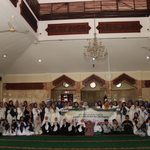
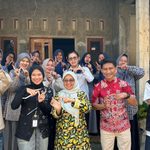
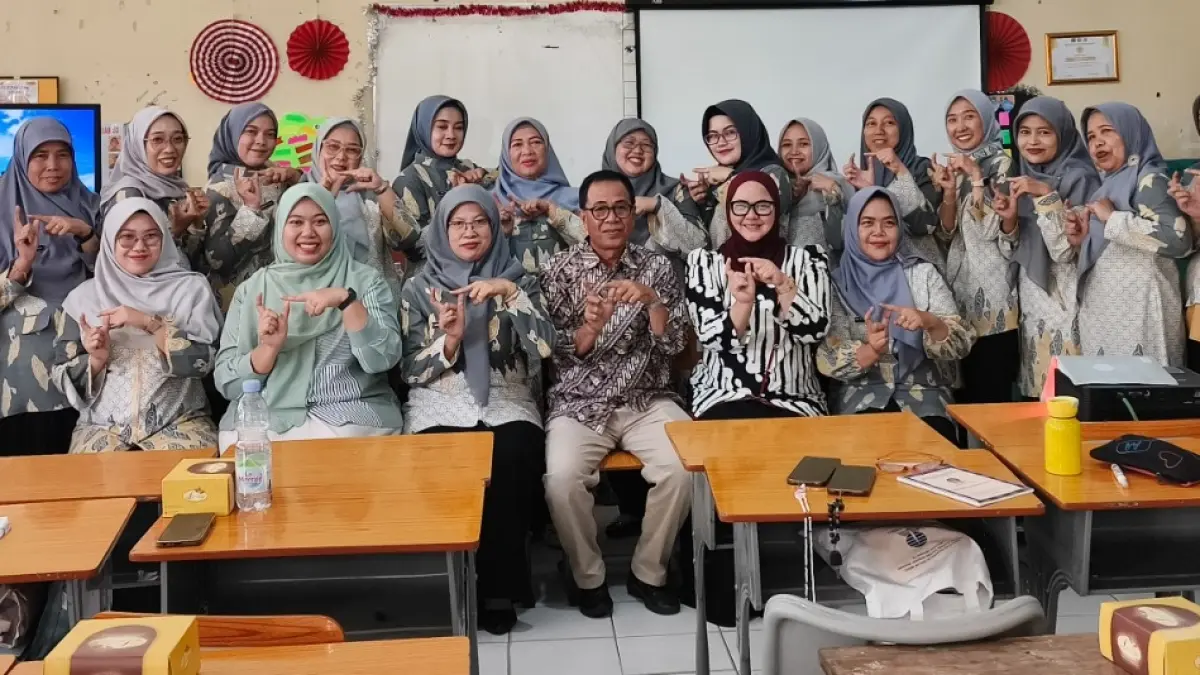
Through a Community Service Program (Pengabdian kepada Masyarakat – PKM), the Indonesian Language and Literature Education Study Program of the Faculty of Teacher Training and Educational Sciences at Universitas Terbuka organized a training program titled “Integrating Gamification into Literature Learning as an Interactive Learning Medium” at SDN 223 Bhakti Winaya in Bandung on Thursday (June 18, 2026). A total of 23 elementary school teachers participated in the training.
The training aimed to enhance teachers’ competencies in utilizing digital technology and gamification approaches in literature education. The initiative is considered important for increasing student engagement while addressing the evolving demands of education in the digital era. The program also aligns with Sustainable Development Goal (SDG) 4 on Quality Education, which promotes inclusive and adaptive learning opportunities for all.
It is Not just “Teaching”, Encouraging Active Student Participation is the real Challenge for the Teachers
Head of the PKM Program, Dr. Syafruddin, M.Pd., emphasized that teachers play a crucial role in creating learning experiences that keep pace with the advancement in times. According to him, today’s educational challenge lies not only in mastering subject matter but also in designing learning experiences that actively encourage student participation.
“Today’s students are growing up in a highly dynamic digital environment. Therefore, teachers need to develop innovative teaching strategies to ensure that learning is not only effective but also enjoyable. Through this program, we hope teachers will gain practical skills in integrating gamification into literature instruction,” he said.
The training featured two speakers: Dr. Prima Dwi Yuliani, M.Pd., and Refisa Ananda, M.Pd. During the first session, Dr. Prima explained that gamification refers to the application of game elements in learning activities to increase students’ motivation, engagement, and learning outcomes.
She noted that literature education plays an important role in developing students’ empathy, creativity, language skills, and character. However, the way literature is delivered must evolve to match the characteristics of today’s learners.
“Literature should not be perceived as difficult or boring. Through gamification, teachers can create more interactive and challenging learning experiences that encourage students to read, discuss, and appreciate literary works with greater enthusiasm,” she explained.
She added that incorporating elements such as points, badges, levels, challenges, and immediate feedback can significantly enhance students’ learning motivation when implemented appropriately.
From Quizizz to Kahoot: Teachers Gain Hands-on Experience
Following the conceptual session, the program continued with a practical workshop led by Refisa Ananda. During this session, participants were introduced to various gamification-based learning platforms, including Quizizz, Kahoot, Wordwall, Padlet, and Booklet.
Rather than simply learning the theory, the teachers were given the opportunity to directly design interactive and collaborative literature learning activities using these digital platforms.
Refisa explained that the selected platforms were chosen because they are user-friendly and capable of supporting active classroom learning.
“Technology should serve as a tool that makes teaching easier, not a barrier. These platforms can be used for story discussions, reading comprehension quizzes, vocabulary games, and collaborative projects that foster students’ creativity,” she said.
As part of its commitment to strengthening school literacy culture, the Universitas Terbuka PKM team also donated books to SDN 223 Bhakti Winaya.
The Principal of SDN 223 Bhakti Winaya, Usremi, S.Pd., M.Pd., expressed appreciation for the program. According to her, the training materials were highly relevant to teachers’ needs in addressing the challenges of teaching in the digital era.
“The teachers not only gained new knowledge but also hands-on experience using various platforms that can be implemented in their daily teaching practices,” she said.
Toward the end of the program, participants developed follow-up action plans to implement what they had learned in their respective classrooms. Through this initiative, Universitas Terbuka hopes teachers will become better prepared to utilize digital technology in literature instruction, strengthen school literacy culture, and foster a learning ecosystem that is more adaptive, participatory, and meaningful for students.