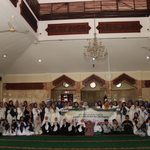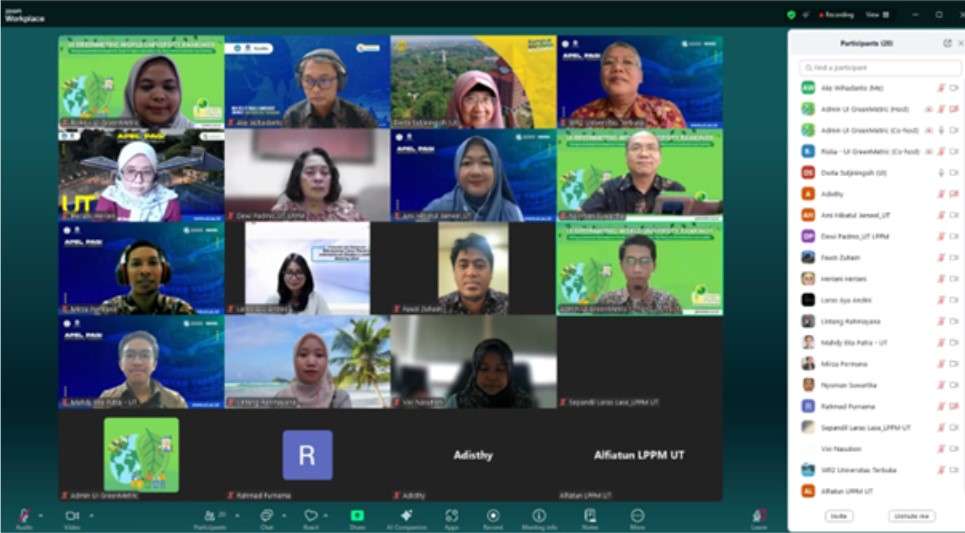
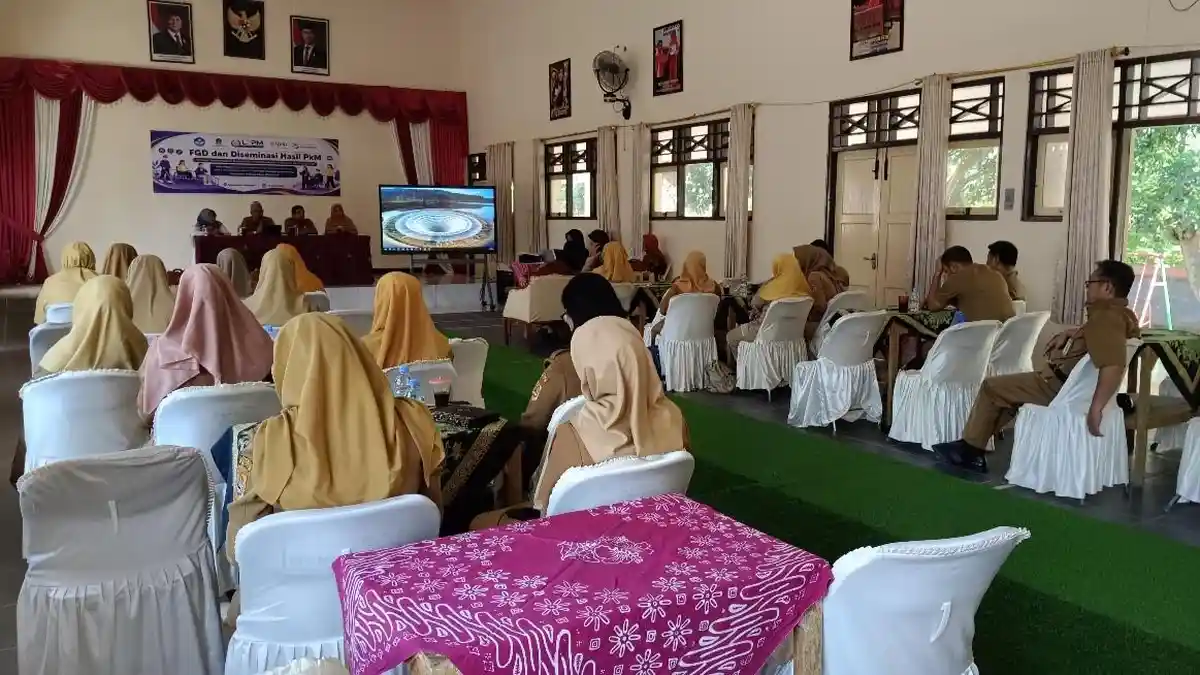
For persons with disabilities, independence does not grow from motivation alone. It develops when there is an environment that provides opportunities, accessibility, skills, and confidence that everyone deserves an equally promising future. Driven by this spirit, Universitas Terbuka (UT) held a Focus Group Discussion (FGD) and the dissemination of the results of its Community Service Program (Pengabdian kepada Masyarakat – PkM), titled “Strategies for Empowering Disability Independence Through Collaborative Action Plans,” on June 15, 2026.
The event served as a meeting point for various stakeholders to discuss one important issue: how disability empowerment can move beyond being merely a program and become a sustainable collaborative effort. Through the forum, UT presented the outcomes of the program, gathered feedback from stakeholders, and formulated follow-up actions that can be implemented collaboratively.
The FGD was supported by funding from the Enhancing Quality Education for International University Impacts and Recognition (EQUITY) Program of Universitas Terbuka for 2025–2026, financed by the Lembaga Pengelola Dana Pendidikan (LPDP). The funding reflects UT’s commitment to strengthening the quality of its community service initiatives, particularly in the areas of inclusive education, reducing inequality, and improving community welfare.
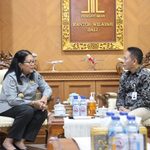
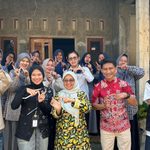
The forum brought together academics, practitioners, disability organizations, local government representatives, community partners, and other relevant stakeholders. Their participation highlighted that disability issues cannot be addressed by a single institution alone. Collective efforts are needed to ensure that persons with disabilities, including students at special education schools, receive support that responds to their actual needs.
During the discussion, participants evaluated the implementation of the Community Service Program. They shared field experiences, identified challenges, and explored opportunities for collaboration in order to develop more effective empowerment strategies. The discussion extended beyond access to education to include skills training, confidence building, employment opportunities, the use of digital technology, and the importance of creating a more inclusive social ecosystem.
“We would like to express our appreciation and gratitude to LPDP for its support through funding Universitas Terbuka’s Community Service Program. Through this initiative, our team focuses on empowering students at special education schools, particularly learners with disabilities. We sincerely hope that this program will provide tangible benefits by enhancing their independence, strengthening their self-confidence, and equipping them with the skills needed to become more self-reliant in the future,” said Dra. Yulia Budiwati, M.Si.
During the dissemination session, the implementation team also presented the program’s achievements, including identifying community needs, strengthening the capacity of persons with disabilities, expanding partnership networks, and developing collaborative action plans. This approach positions persons with disabilities not as recipients of assistance, but as individuals with the potential to grow, become empowered, and actively contribute to society.
Dewi Maharani Rachmaningsih, M.A. emphasized that support for persons with disabilities must be realized through concrete opportunities.
“Every person with a disability possesses extraordinary potential. Our collective responsibility is to create an inclusive environment and provide opportunities that allow this potential to flourish. We hope this program will become a meaningful step toward fostering greater independence and a brighter future for students at special education schools,” she stated.
The event also reaffirmed UT’s role as a university that not only fulfills its educational mission but also contributes to addressing social challenges through research and community service. These efforts are aligned with the Sustainable Development Goals (SDGs), particularly Quality Education, Reduced Inequalities, Decent Work and Economic Growth, and Partnerships for the Goals.
At the conclusion of the event, participants reaffirmed their commitment to strengthening cross-sector collaboration. The jointly developed action plan is expected to serve as the foundation for future programs that are more inclusive, innovative, and impactful.
Ultimately, the true measure of empowerment is not simply the successful implementation of a program, but whether persons with disabilities are genuinely given the opportunity to move forward with greater confidence, greater independence, and greater equality within society.