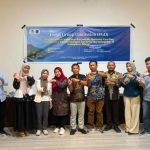

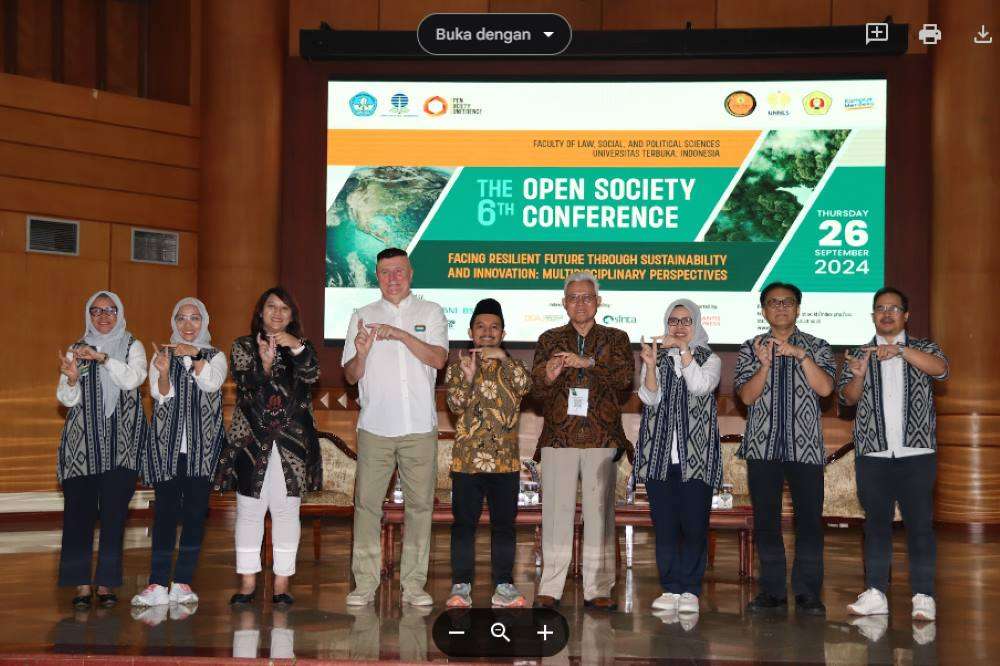
Universitas Terbuka (UT) proudly held the 6th Open Society Conference (OSC). This annual conference, organized by the Faculty of Law, Social Sciences, and Political Science (FHISIP), initially began as a national event and has now evolved into an international conference. The conference serves as a platform for academics to disseminate their research.
For this 6th OSC, FHISIP UT collaborated with Universitas Jember, Universitas Negeri Semarang (UNNES), and Universitas Pembangunan Nasional Veteran Jakarta (UPN VJ). This international conference took place on Thursday, September 26, 2024, in a hybrid format at Universitas Terbuka Convention Center (UTCC), South Tangerang, for in-person attendees, and via Zoom Meeting and YouTube live streaming on UT-TV for virtual participants. Themed “Facing a Resilient Future Through Sustainability and Innovation: Multidisciplinary Perspectives,” the conference aimed to provide insights and make tangible contributions to society in addressing future challenges through multidisciplinary-based sustainable innovation. The sub-themes of the 6th OSC include:
– Crisis and Global Communication Response
– Curving The Future of Law Through Green Constitution to Face the Era of Society 5
– The Role of Social Institutions and Inclusive Social Policies in A Sustainable Society
– Navigating Disruption with Innovation and Sustainable Business Agility
– Tax Reform for Sustainable Future
– Rethinking the Digitalization in Politics and Government
– Libraries and Archives in the Digital Era: Mapping Information Through Emerging Innovative Technologies
– Language and Identity: Shifting Paradigms Amidst Globalization
– Big Data & Society 5.0: Public Policy & Governance Context
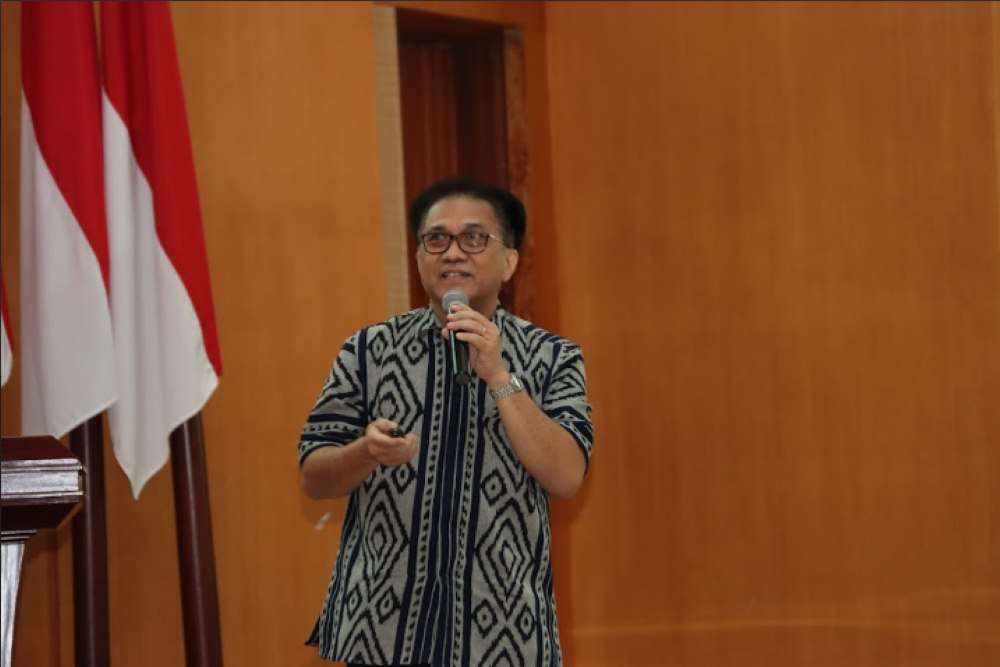
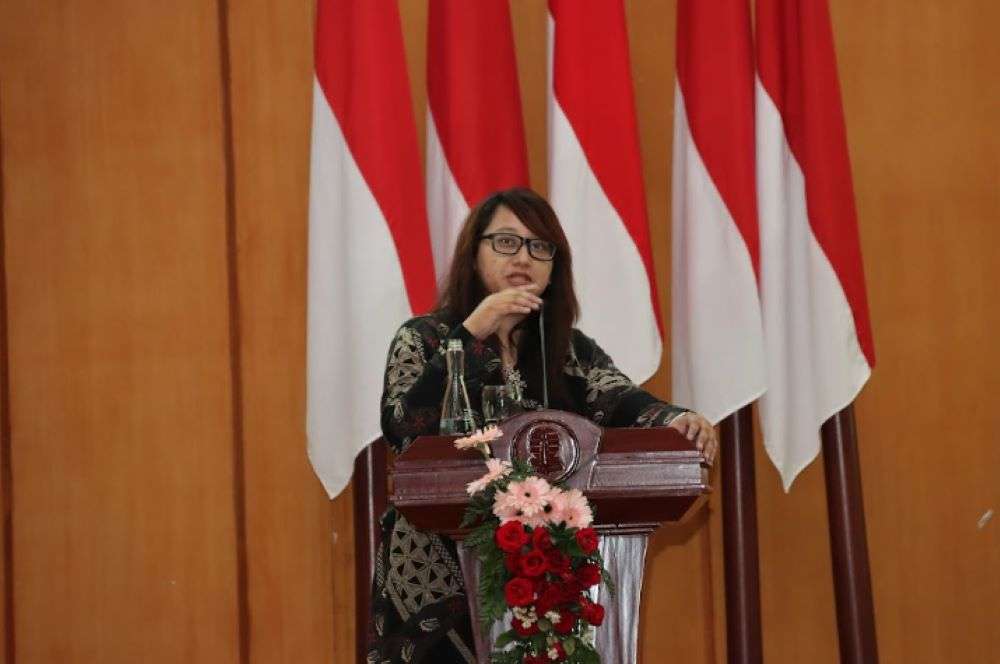
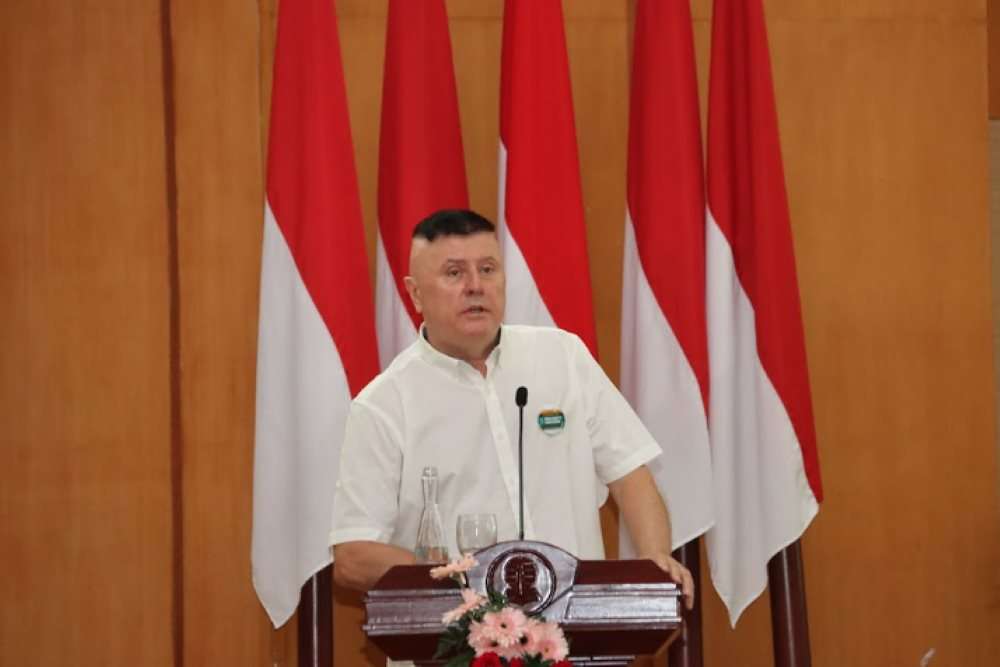
The 6th OSC invited both academics and professional speakers to share and exchange knowledge in their respective fields. Keynote speaker Ainun Najib, a Data & AI Professional, along with three panelists—Dr. Aruminingsih, S.Si., M.Sc. from the Ministry of National Development Planning (BAPPENAS), Prof. Dr. Valerii Leonidovich Muzykant from the Department of Mass Communication at RUDN University in Russia, and Prof. Daryono, S.H., M.A., Ph.D. from Universitas Terbuka—participated.
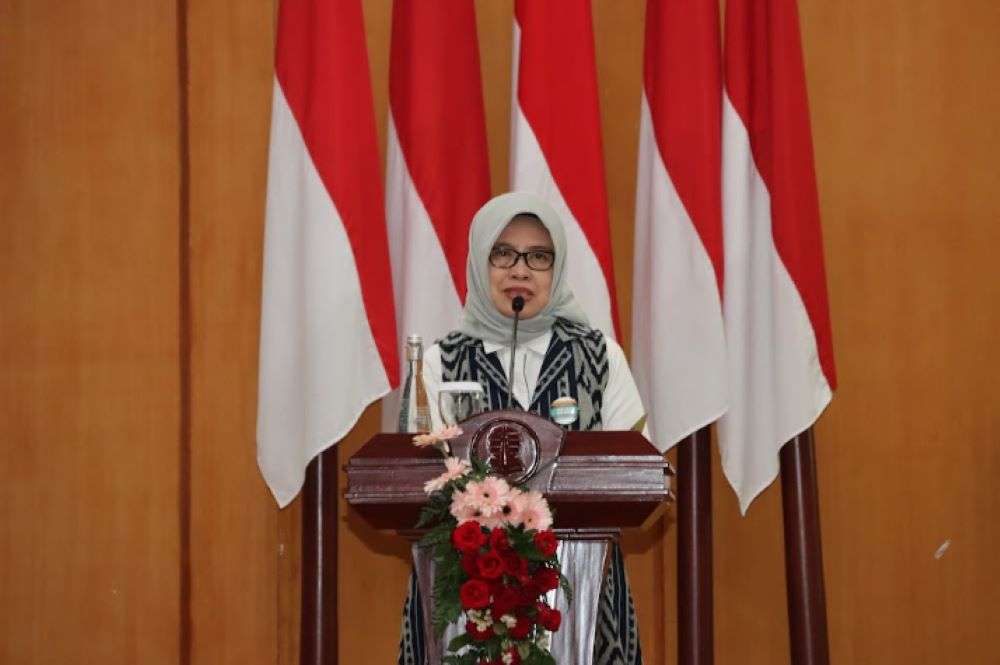
The event was attended by the Dean of the Faculty of Social and Political Sciences at UPN Veteran Jakarta, Dr. S. Bekti Istiyanto, M.Si.; the Dean of the Faculty of Social and Political Sciences at Universitas Jember, Dr. Djoko Poernomo, M.Si., CIQnR., CSBA.; and the Dean of the Faculty of Social and Political Sciences at Universitas Negeri Semarang, Dr. Arif Purnomo, S.Pd., S.S., M.Pd., along with various UT academic members.
In her opening remarks, Dr. Meita Istianda, S.IP., M.Si., Dean of FHISIP UT, emphasized the importance of a multidisciplinary perspective in effectively addressing complex global challenges. She stated, “Input from various fields such as science, social sciences, and economics will provide unique insights and foster the creation of holistic and effective strategies. By emphasizing systems thinking in this multidisciplinary approach, we can address root causes rather than merely treating symptoms.”
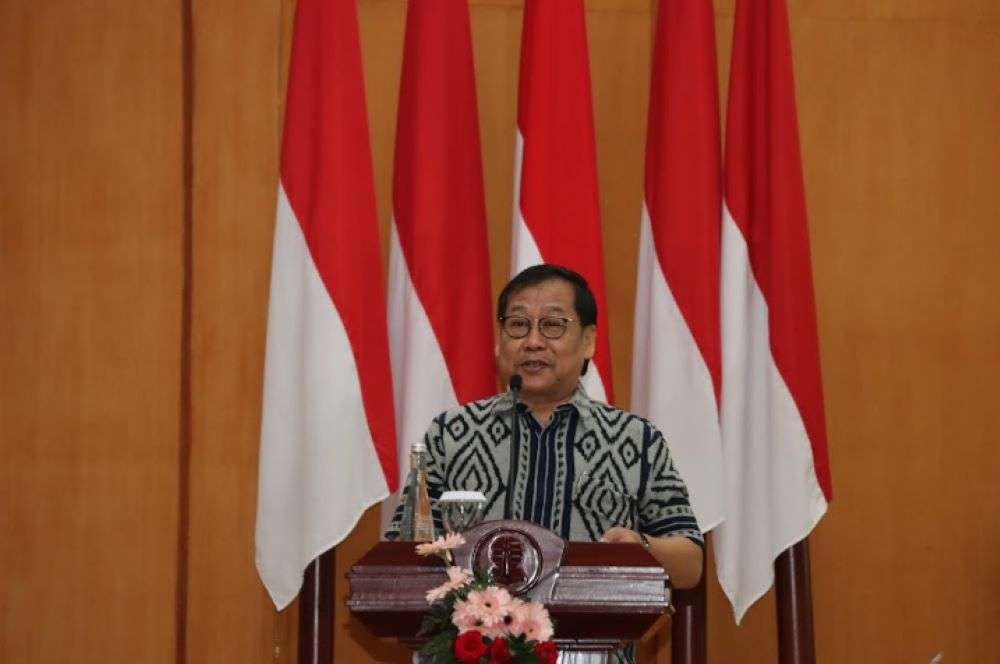
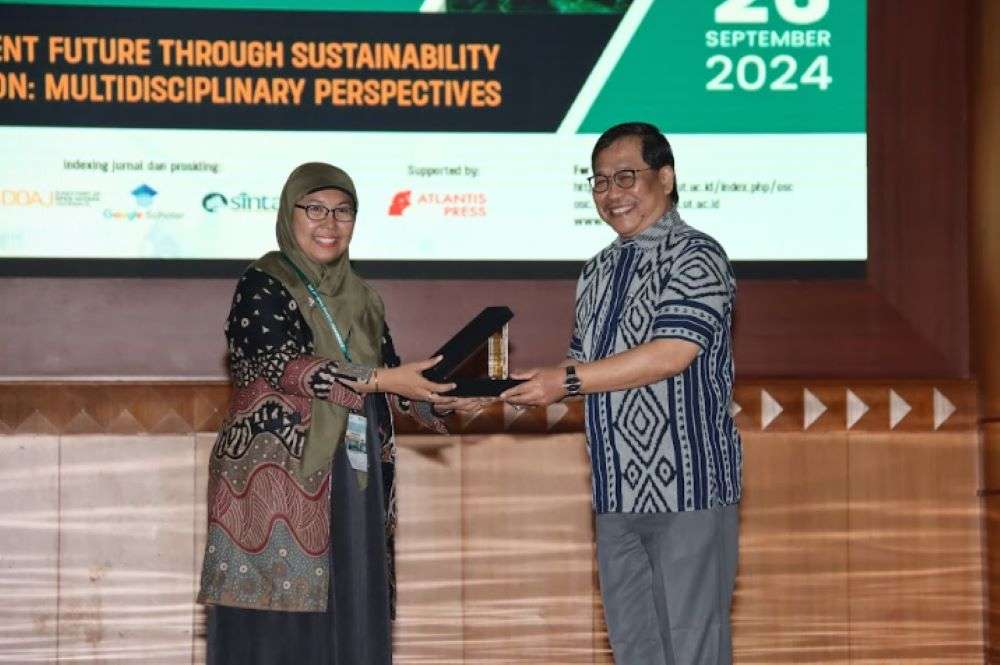
Dr. Meita Istianda also noted the current rising existence of Artificial Intelligence (AI). “AI, while being a tool that can ease many human activities, can also be misused,” she said. She gave an example of students who sometimes irresponsibly use AI tools, such as ChatGPT, to complete assignments and exams without integrating them with the appropriate concepts or theories. “This can lead to underdeveloped skills or raw abilities,” she added.
Next, the Rector of UT, represented by Vice Rector for Academic Affairs, Dr. Mohamad Yunus, S.S., M.A., remarked, “In recent years, we have witnessed unprecedented challenges that have tested the resilience of societies worldwide. From the global pandemic to environmental crises and socio-economic disruptions, the need for sustainable and innovative solutions has never been more pressing.”
Dr. Mohamad Yunus further highlighted the conference theme, stating, “Our conference theme emphasizes two important pillars: sustainability and innovation. Sustainability is crucial to ensure that our development meets current needs without compromising the ability of future generations to meet theirs. Innovation, on the other hand, drives technological, process, and idea advancements that can transform our societies and economies.”
The Chairman of the 6th OSC, Yonarisman Muhammad Akbar, added that the conference theme was chosen in line with the rapidly changing and dynamic global landscape. He noted, “How do we face AI in the future amidst ongoing uncertainties across different eras? What will happen in the next five or ten years? We must be ready with the resilience needed to face these challenges.”
This year’s OSC saw the submission of 75 papers from several countries, including Indonesia, Malaysia, Singapore, South Korea, and Russia. Additionally, the Best Paper Awards were announced:
1. Tajuzzaman Hassanor, Thirumeni T Subramaniam, Azmi Che Leh, Sharifah Rosfashida Syed Abd Latif, and Azmi Mohamed from Open University Malaysia: “Enhancing Manufacturing Resilience by Integrating Circular Economy through Innovation and Sustainability.”
2. Belgis Hayyinatun Nufus, Soni Akhmad Nulhaqim, Binahayati, and Siti Napsiyah from Universitas Jember: “Social Work Practice in Micro Perspective: Intervention with Radicalized Children.”
3. Iin Yumiyanti, Azwar, and Munadhil Abdul Muqsith from UPN Veteran Jakarta: “Corporate Colonization Analysis of Stanley A Deetz in The Dismissal Google Employees Case.”
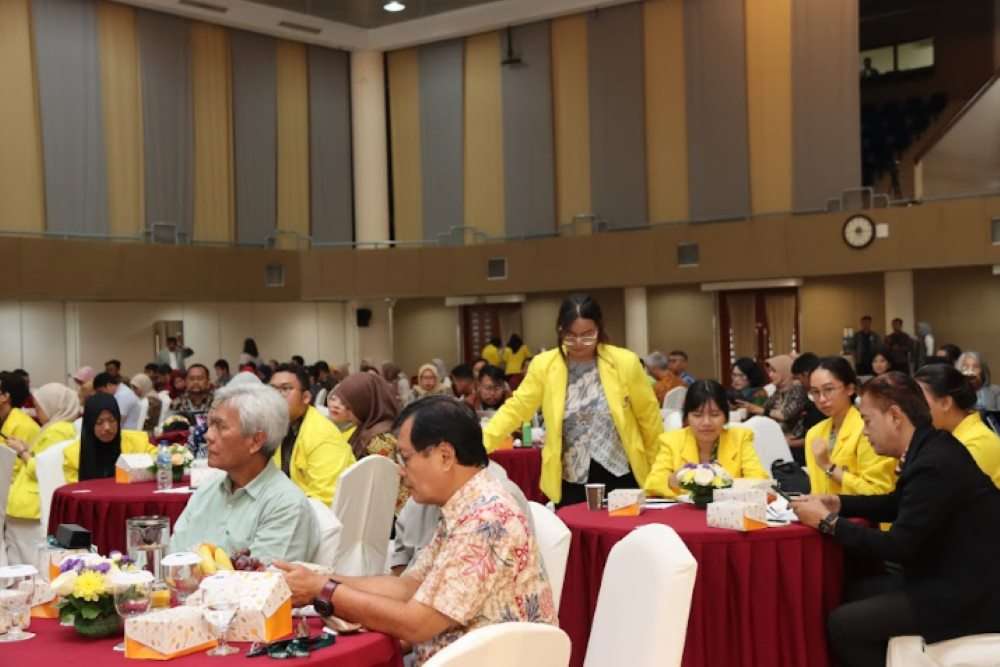
Papers presented at The 6th OSC will be published in the OSC Proceedings and various SINTA-indexed journals such as the *Journal of Tourism and Creativity*, *Ekspresi dan Persepsi: Jurnal Ilmu Komunikasi (JEP)*, *Forum Ilmu Sosial*, and *JIAPI: Jurnal Ilmu Administrasi dan Pemerintahan Indonesia*. Selected papers will also be published in the *Atlantis Press Proceedings*, indexed by the Directory of Open Access Journals (DOAJ).
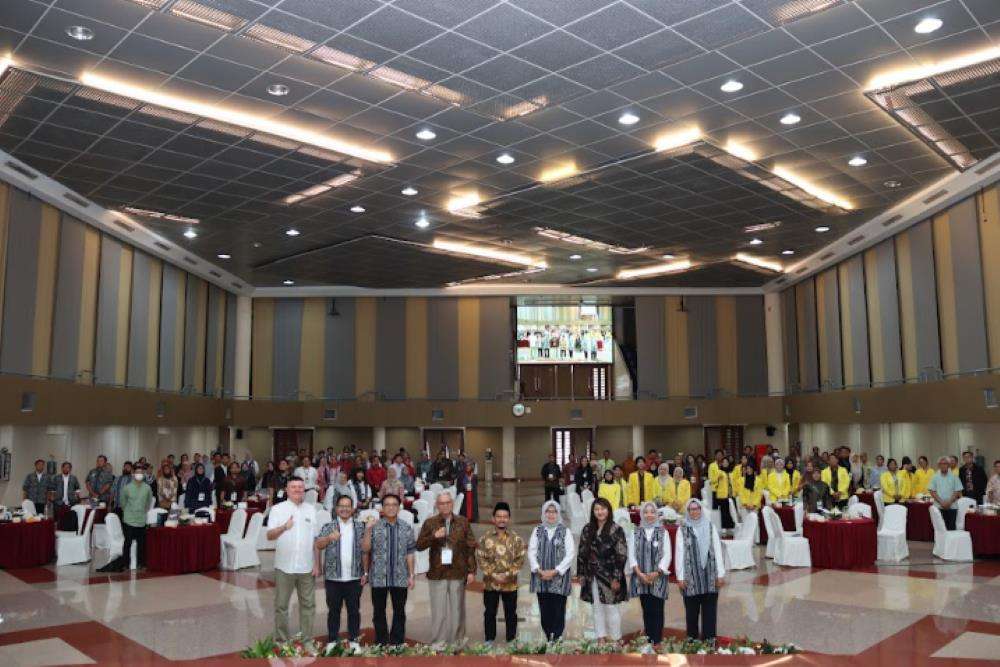
Through the success of the 6th OSC, UT hopes to provide new insights and perspectives on how interdisciplinary collaboration and resilience can drive sustainable innovation, ultimately contributing positively to a more adaptive and competitive future. It is hoped that the discussions and findings from this conference will serve as a catalyst for the development of new policies and practices that prioritize sustainability and innovation across various disciplines.