
In the drive toward Golden Indonesia 2045, improving the quality of Human Resources (HR) in the plantation sector is a crucial key. Addressing this challenge, Universitas Terbuka (UT), a state university with an open and distance education system, is preparing to play a strategic role in supporting educational equity and producing excellent HR in the palm oil sector.
Starting in the 2026 academic year, UT will become one of the organizing universities for the Palm Oil HR Scholarship Program, a tangible step to expand access to education for the children of palm oil farmers and workers across Indonesia without having to leave their hometowns.
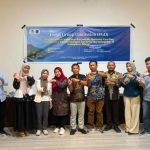
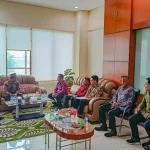
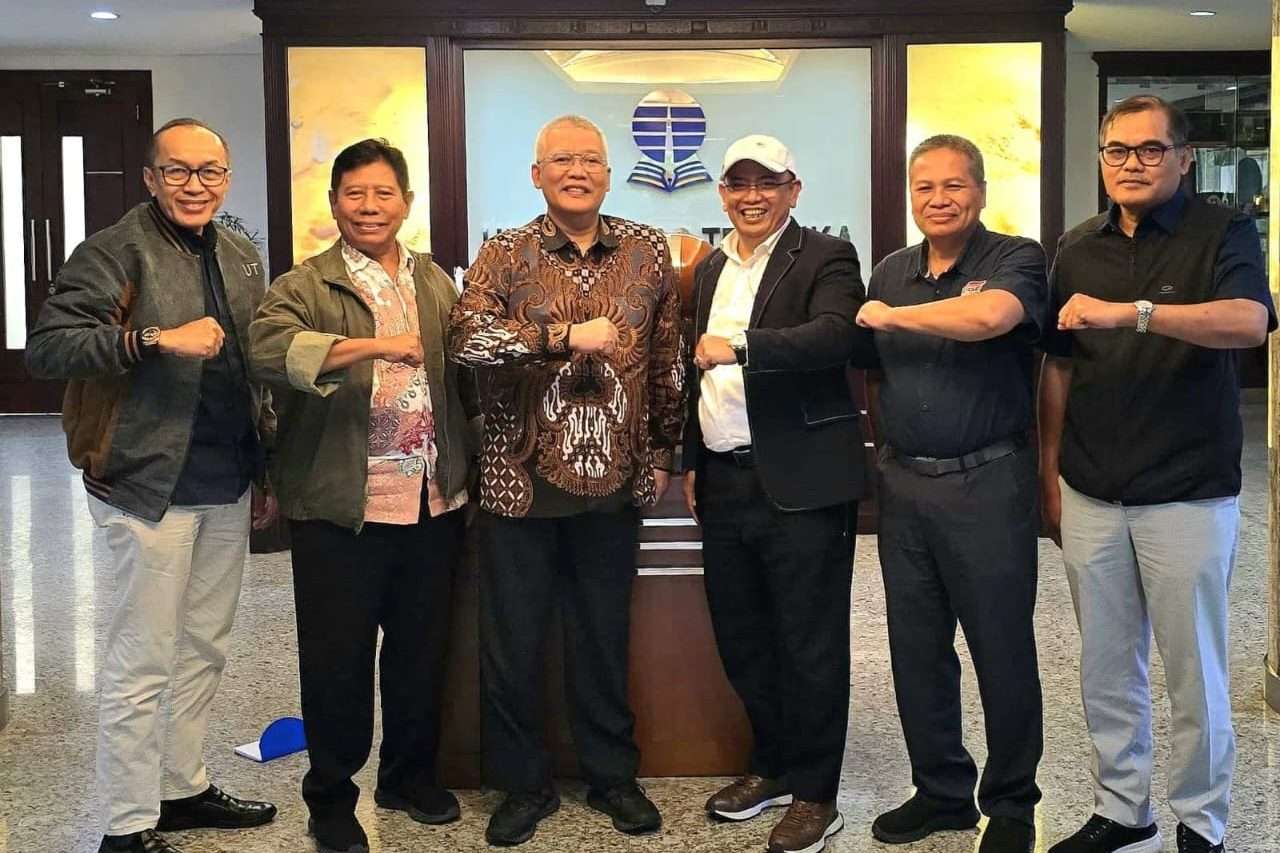
The idea for this collaboration emerged during a recent meeting in Jakarta between the Central Executive Board of the Indonesian Palm Oil Farmers Association (APKASINDO) and the UT Rector. On this occasion, APKASINDO urged UT to immediately join as a partner of the Palm Oil Plantation Fund Management Agency (BPDPKS) to accelerate the implementation of the scholarship program.
The Chairman of the APKASINDO Central Executive Board, Gulat ME Manurung, affirmed that UT’s distance learning system is the ideal solution for the palm oil community, which is spread across various regions.
“Palm Oil HR highly needs Universitas Terbuka. UT’s online learning model allows farmers’ children to attend college without leaving their hometowns,” he said.
Starting next year, APKASINDO plans to hold outreach for UT study programs in 25 provinces so that more of the young palm oil generation can utilize this opportunity, whether through the scholarship or independent enrollment. This effort is also a follow-up to the direction from the APKASINDO Board of Trustees to involve major and vocational universities in supporting the Asta Cita of President Prabowo Subianto toward Golden Indonesia 2045, by increasing the capacity and competitiveness of plantation HR.
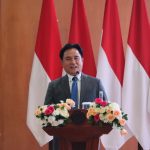
UT Rector, Prof. Ali, welcomed the cooperation. As a Legal Entity State University (PTN-BH) with over four decades of experience, UT is ready to be a strategic partner in producing palm oil HR that is competent and adaptive to industry developments.
“UT is already accredited A and has study programs relevant to the needs of the palm oil sector, such as Agribusiness, Accounting, and Management. We will immediately form an acceleration team so that we can officially become a partner of BPDPKS and the Directorate General of Plantations starting in 2026,” he revealed.
The open and flexible education system implemented by UT is a distinct advantage. Students can study from anywhere and at any time, unconstrained by distance and time. For the children of farmers, this not only saves on living expenses but also allows them to continue contributing to the family economy while pursuing higher education.
More than just a scholarship program, this cooperation reflects UT’s commitment to supporting the Sustainable Development Goals (SDGs), especially SDG 4 (Quality Education) and SDG 8 (Decent Work and Economic Growth). Through inclusive distance learning, UT actively plays a role in opening access to higher education for all people, while preparing skilled labor capable of strengthening strategic national sectors like palm oil plantations.
With this step, Universitas Terbuka is not only a university facilitating distance learning but also an agent of educational equity and a driver of knowledge-based economic progress—a concrete contribution toward a more empowered, independent, and sustainable Indonesia.