
Universitas Terbuka (UT), as a provider of open and distance higher education, has always prioritized quality and educational services. An agreement to this is UT’s Institutional Accreditation score, which is crucial for ensuring the quality of higher education provided by UT and serves as a significant consideration for prospective students when choosing UT for their studies. The Institutional Accreditation status is evaluated based on various indicators including the curriculum, educational facilities and infrastructure, academic governance, human resource quality, and achievements in Tri Dharma Perguruan Tinggi.
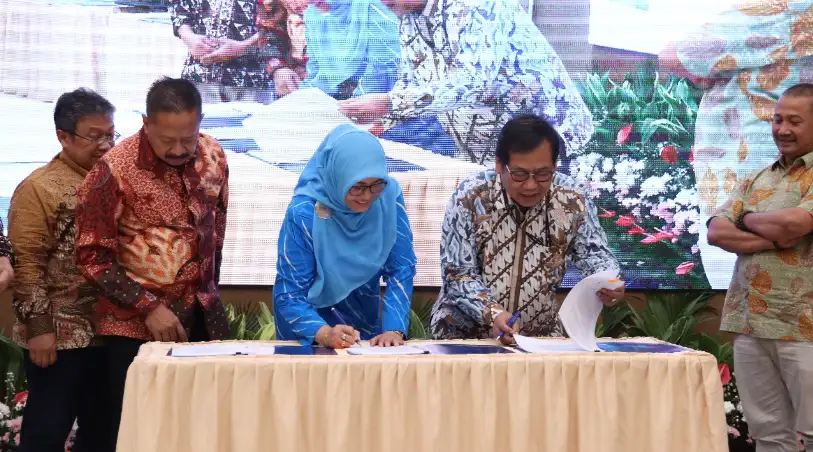
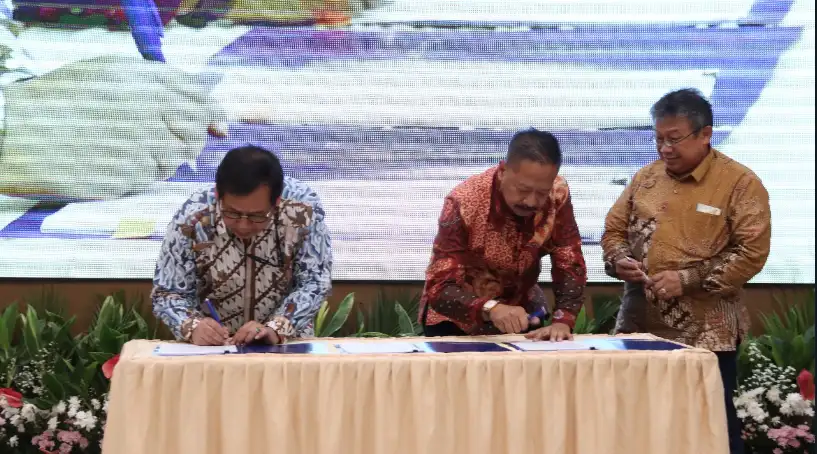
A hybrid Institutional Accreditation Score field assessment was conducted at UT on Thursday, May 16, 2024, to maintain and improve the quality of education and services. The event took place at the Auditorium of the Faculty of Science and Technology (FST) at UT’s Central Office, attended by Rector Prof. Dr. Paulina Pannen, M.Ls., Prof. Aminudin Zuhairi, Ph.D. (representing senior UT members), deans, directors, the Head of the Institute for Research and Community Service (LPPM), the Head of the Quality Assurance Office (KPM), department heads, UPPDJI heads, academic affairs deputy deans, rectorate expert staff, and the form and self-evaluation team. The event was also attended virtually by program heads, regional directors, and managers via Zoom Meeting.
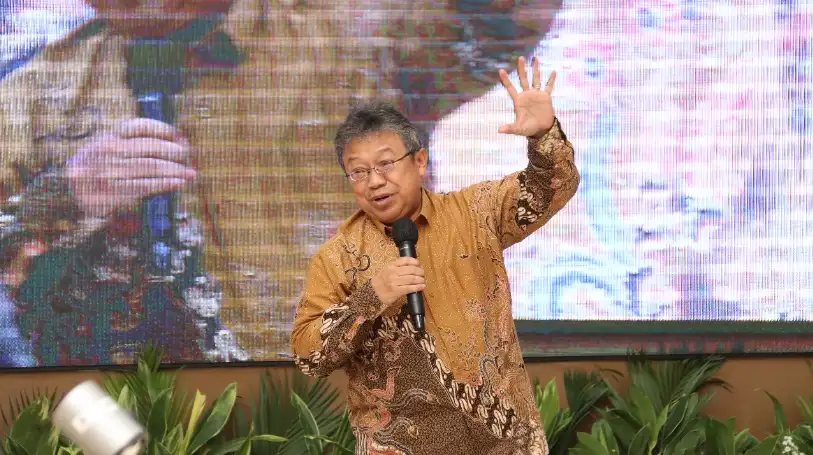
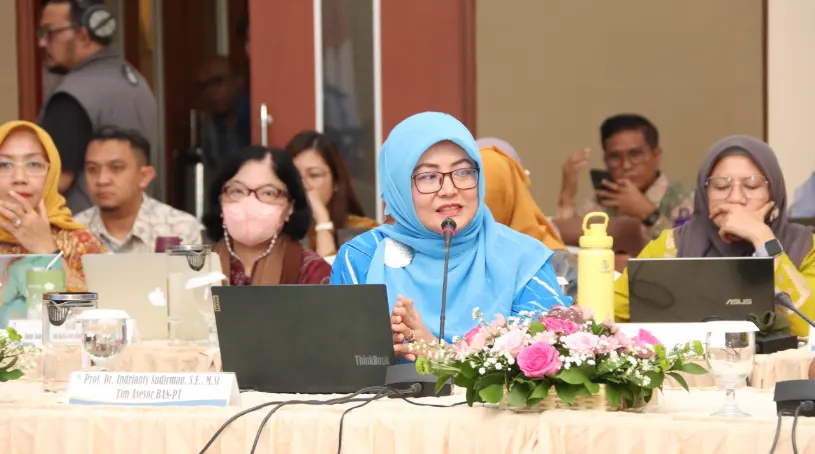
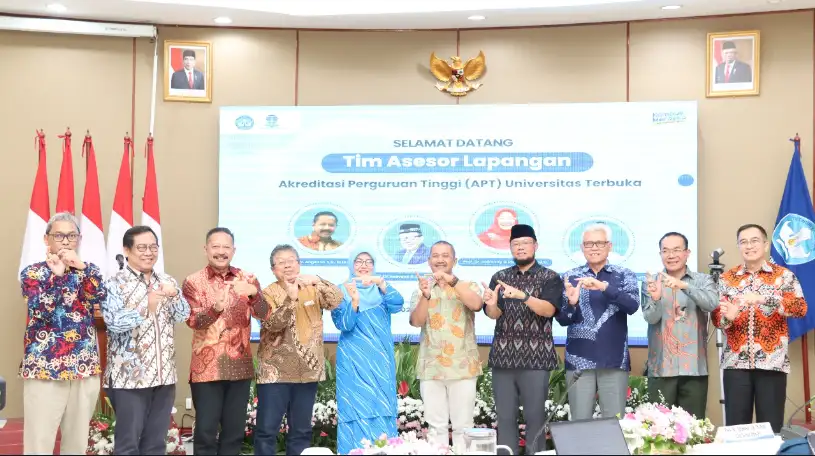
The National Accreditation Board for Higher Education (BAN-PT) team responsible for the APT field assessment at UT included Prof. Dr. Angkasa, S.H., M. Hum. (Faculty of Law, Jenderal Soedirman University), Prof. Dr. Mulyono Baskoro, M.Sc. (Faculty of Fisheries and Marine Sciences, IPB), Prof. Dr. Indrianty Sudirman, S.E., M.Si. (Faculty of Economics and Business, Hasanuddin University), and Dr. Muhammad Rohmadi, S.S., M.Hum. (Sebelas Maret University). They were accompanied by BAN-PT staff member Ambar Setyaningsih.
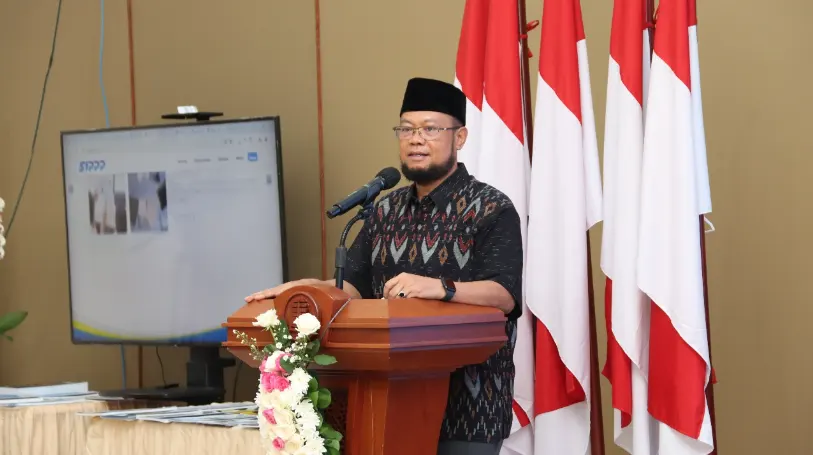
During the event, UT Rector Prof. Ojat Darojat, M.Bus., Ph.D., delivered a speech highlighting UT’s vision and mission. Established as Indonesia’s 45th state university on September 4, 1984, by Presidential Decree No. 41/1984, UT aims to become a world-class open and distance university. The mission of UT includes increasing the capacity of state higher education, enhancing equitable access to quality higher education globally, promoting lifelong learning, and disseminating research and distance education findings to support national and global development.
Prof. Ojat also emphasized that UT’s quality assurance in PTTJJ is maintained through certification from the International Council for Open and Distance Education (ICDE) and its strategic milestones for 2021-2035. These milestones include Phase I (2021-2025) towards Cyber University integration, Phase II (2026-2030) towards a Digital Education Ecosystem and Phase III (2031-2035) towards a Resilient Digital Ecosystem. Discussions with the assessors covered UT’s solutions to quality challenges, operational programs derived from UT’s Strategic Plan, and significant initiatives post-transition to a Legal Entity State University (PTN-BH).
Prof. Dr. Mohammad Imam Farisi, M.Pd., Head of UT’s Quality Assurance Office (KPM), stated that UT consistently maintains quality management in PTTJJ, though challenges remain, particularly in human resource availability. Risk mitigation efforts include developing legal formats for UT’s e-learning processes in alignment with policies from the Directorate General of Higher Education (Ditjen Belmawa).
Dr. Ake Wihadanto, S.E., M.T., Secretary of UT’s Board of Trustees, highlighted UT’s transformation into a PTN-BH, including restructuring in institutional, HR, and academic fields. UT’s academic advancements include achieving international accreditation for various programs, aiming to fulfill its vision of becoming a World Class University (WCU).
Rector Prof. Ojat added that UT has established international collaborations with universities such as Chungbuk National University and Yeungnam University for entrepreneurship programs and MBKM initiatives, including internships, exchanges, further studies, and joint research. UT also collaborates with Coursera and EDX to enrich its learning materials. “Post-PTN-BH transformation, UT will enhance its services, ensure affordable education costs, and improve operational efficiency,” affirmed Prof. Ojat.
Dr. Muhamad Rohadi, S.S., M.H., one of the assessors, advised that UT’s Strategic Plan should guide all program components. Prof. Angkasa and Prof. Indrianty expressed pride in UT’s progress and its commitment to better serving the community. Dr. Rohmadi emphasized that UT’s efforts should continuously aim for global impact and societal benefits.
The field assessment included data synchronization through interviews with lecturers, staff, users, students, alumni, and partners. The critical phase was the assessment report reading by the assessors and the advanced discussions with UT’s leadership and accreditation team. The successful assessment is expected to generate the best accreditation results, reflecting UT’s dedication to quality education.
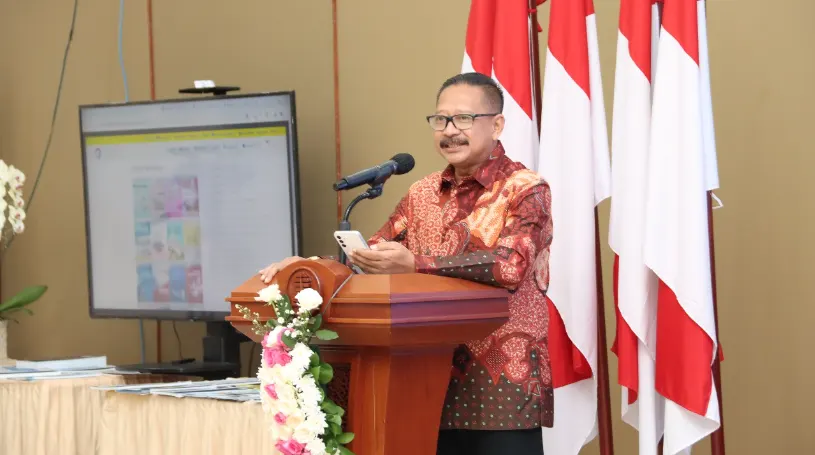
In conclusion, the assessors conveyed their hope for UT’s continued improvement and contribution to the nation. Vice-Rector for Academic Affairs, Dr. Mohamad Yunus, S.S., M.A., appreciated the assessors’ valuable feedback, committing to addressing areas for improvement and aligning UT’s long-term plans with strategic goals to achieve WCU status by 2025.