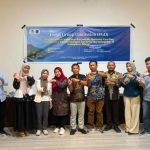

MAJENE — Amid the growing demands for both flexibility and quality in higher education, Universitas Terbuka (UT) continues to demonstrate its role as a public university that provides accessible education to learners from all backgrounds, regardless of time or location. Beyond expanding access to higher education, UT remains committed to supporting students throughout their academic journey until graduation. This commitment was once again reflected in UT Majene’s Student Seminar, titled “Successfully Completing Scientific Article Assignments at Universitas Terbuka,” which was held online on Thursday, June 11, 2026.
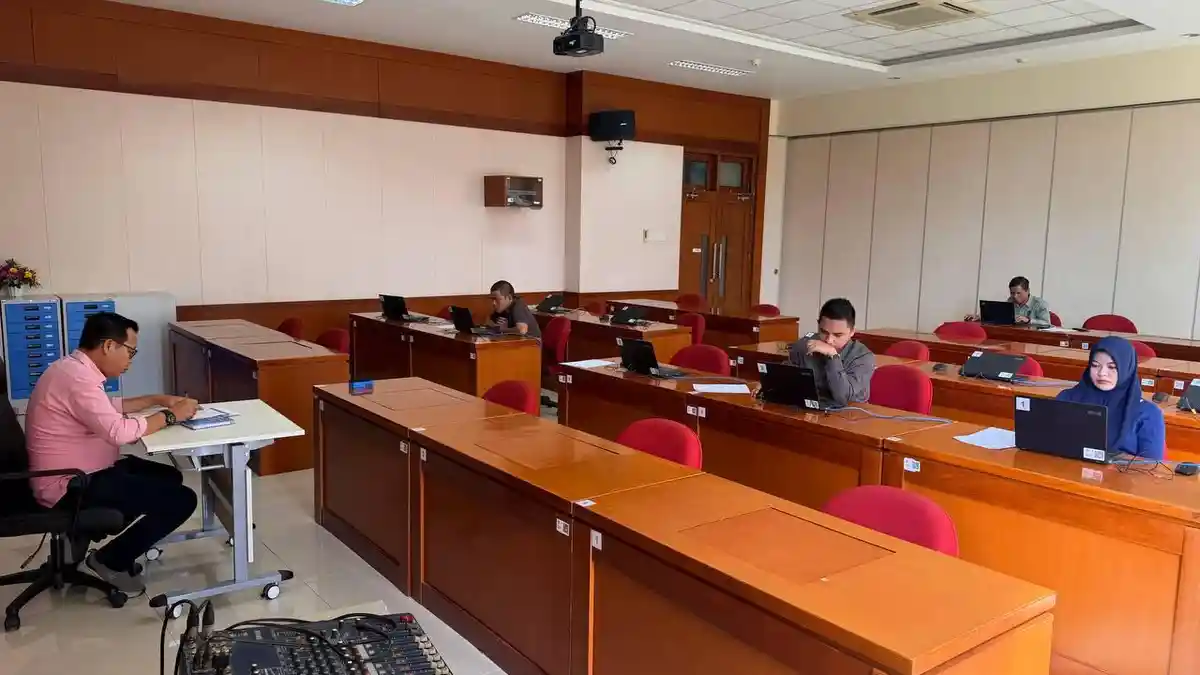
Conducted via Zoom Meeting, the seminar formed part of UT Majene’s ongoing academic support initiatives. The program was designed to assist students who are facing challenges in preparing scientific articles, an important academic requirement that often plays a crucial role in the successful completion of their studies.
As a university that implements an open and distance learning system, Universitas Terbuka recognizes that its students come from diverse backgrounds. Many are full-time professionals, parents managing family responsibilities, entrepreneurs, or individuals living in remote areas with limited access to conventional higher education. For this reason, UT not only offers flexible learning opportunities but also ensures that students receive the academic guidance, mentoring, and competency development necessary to achieve academic success.
The seminar was officially opened by Devi Ayuni, S.E., M.Si., Director of UT Majene. In her opening remarks, she emphasized the importance of scientific writing as a fundamental competency that university students should develop in today’s academic environment. According to her, scientific articles are more than academic assignments, they serve as a means of cultivating critical thinking, developing evidence-based arguments, and fostering a strong academic culture.
In addition to highlighting the importance of scientific writing, Devi Ayuni encouraged students who will soon be taking their End-of-Semester Examinations (UAS). She urged them to make the best use of their preparation time, maintain their health, and remain confident as they progress through each stage of their academic journey.
The seminar featured Bulkis, S.TP., M.Si., a faculty member at UT Majene, who presented practical strategies for writing scientific articles. Her presentation covered topics ranging from identifying credible academic references and organizing a well-structured manuscript to avoiding plagiarism, providing students with guidance that they could immediately apply in their academic work.
In addition to theoretical knowledge, participants received practical tips to help them produce higher-quality scientific articles that meet academic standards. The discussion was highly interactive and moderated by Agus Muhammad Alam, a member of the UT Majene Student Organization (Ormawa). Participants demonstrated strong engagement by actively asking questions throughout the discussion session.
Through this seminar, UT Majene once again emphasized that Universitas Terbuka’s role extends far beyond providing flexible access to higher education. The university serves as a learning partner that continuously supports students throughout every stage of their academic experience, from coursework and competency development to completing academic assignments, preparing for examinations, and ultimately graduating.
This commitment reflects Universitas Terbuka’s broader mission to provide inclusive, high-quality higher education that is accessible to everyone, regardless of geographical location, age, occupation, or socioeconomic background. By continuing to organize academic support programs such as this seminar, UT demonstrates that quality education is not only about opening the doors to higher education but also about ensuring that every student has an equal opportunity to succeed.
This initiative is also aligned with the Sustainable Development Goals (SDGs), particularly SDG 4 (Quality Education), which promotes inclusive and equitable education and lifelong learning opportunities for all.