
BOGOR — In community health posts (Posyandu), a child’s future often begins with seemingly simple things: a number on a weighing scale, a child’s height recorded by a health volunteer, a prenatal checkup schedule that must not be missed, or a small sign that may serve as an early warning of stunting risks. The challenge is that in many areas, such critical matters still rely heavily on notebooks, pens, and the diligence of volunteers who must manage large amounts of data manually.
When even a single piece of data is misplaced, the consequences can be significant. A child who should be monitored may be overlooked. A pregnant woman who requires examination may not be identified in time. Responding to these community needs, Universitas Terbuka (UT) has officially launched SI MAMY (Smart Integrated Maternal and Mom Young/Yandu), an Android-based Digital Posyandu application designed to strengthen maternal and child healthcare services at the village level.
The application has begun implementation in Desa Rawakalong, Kecamatan Gunung Sindur, Kabupaten Bogor, Jawa Barat. The village is expected to serve as a pilot project for a National Digital Posyandu initiative and as an example of how digital transformation can begin with the most basic services that directly impact communities.
The launch of SI MAMY is part of a Community Service Program (Pengabdian kepada Masyarakat – PkM) organized by UT’s Lembaga Penelitian dan Pengabdian kepada Masyarakat (LPPM), with joint funding support from UT and Lembaga Pengelola Dana Pendidikan (LPDP). Through this program, UT is not only introducing an application to the village but also promoting the development of a healthy village ecosystem based on data and technology that can be replicated in other regions.
The Head of the Implementation Team of PKM UT, Kani, S.Kom., M.Kom., stated that SI MAMY was developed to improve the recording and reporting system for maternal and child healthcare services, which are still largely conducted manually.
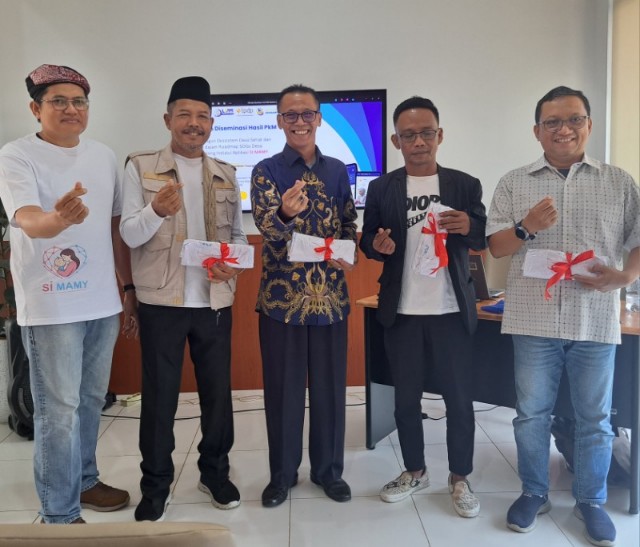
“A year ago, we began discussing how village digitalization could be implemented through services that are closest to the community, namely Posyandu. This led to the idea of developing SI MAMY as a system to assist Posyandu volunteers in conducting digital recording, monitoring, and reporting,” Kani said during the Focus Group Discussion (FGD) and Community Service Dissemination Event in Desa Rawakalong on Friday (June 20, 2026).
According to Kani, SI MAMY was initially designed as a computer-based application. However, after discussions with village officials and Posyandu volunteers, the development team decided to convert it into a mobile-based application to make it more practical for direct use.
“We wanted the application to be simple and easily accessible. Posyandu volunteers do not need to use laptops. With an affordable Android smartphone or tablet, they can already access all of the application’s functions,” he explained.
Through SI MAMY, Posyandu volunteers can digitally record data on pregnant women and children under five, monitor health development, and generate reports automatically. The system is also capable of calculating nutritional status based on standards established by the World Health Organization (WHO) and Indonesia’s Permenkes in 2020.
Volunteers only need to enter information such as weight, height, a child’s age, or the results of prenatal examinations. The system then processes the data automatically and provides follow-up recommendations that can serve as references for both volunteers and healthcare workers.
The application is also equipped with automatic reminder and notification features when a child has not been weighed, a pregnant woman has missed a routine examination, or when conditions require special attention, such as stunting risks or nutritional disorders which are detected.
Another significant advantage is that most SI MAMY features remain functional without an internet connection.
“Almost all of the main features can operate offline,” Kani said.
This feature is particularly relevant because internet connectivity varies significantly across Indonesia. Data can still be recorded in the field and synchronized once the device reconnects to the internet.
Kani emphasized that Rawakalong was selected not only as an implementation site but also as the foundation for a Posyandu digitalization model that can serve as a reference for other regions.
“We want to build a local system with national impact. Rawakalong serves as both a pilot project and a living laboratory for developing village digital transformation based on community healthcare services,” he said.
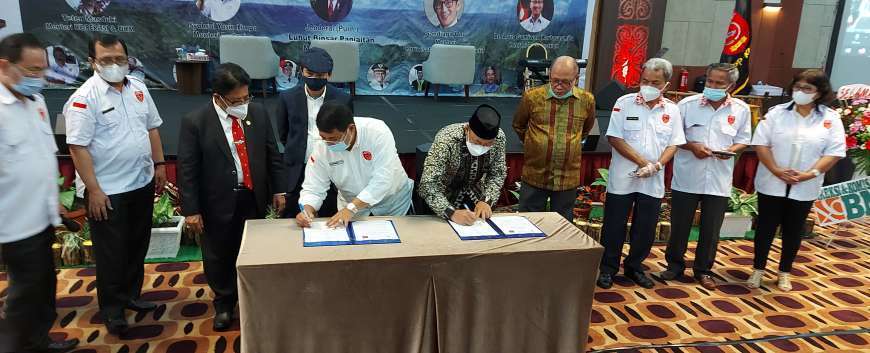
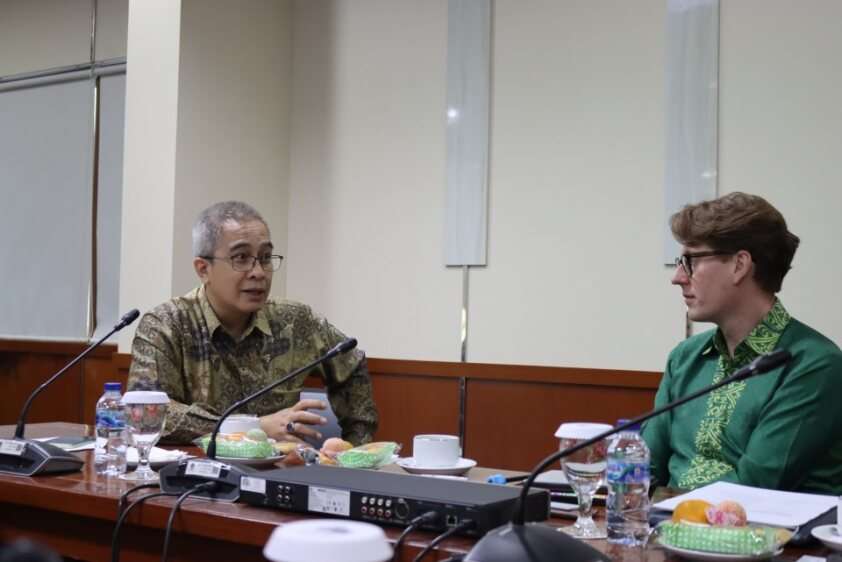
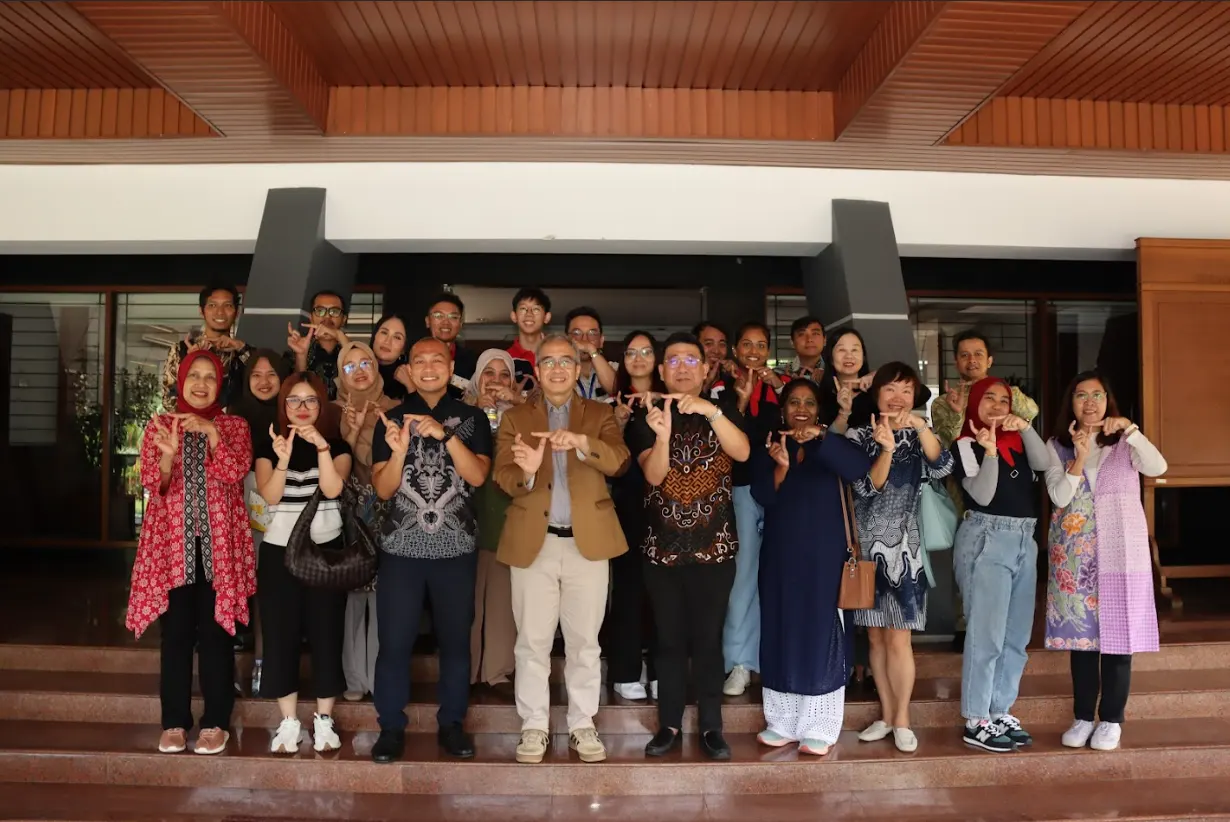
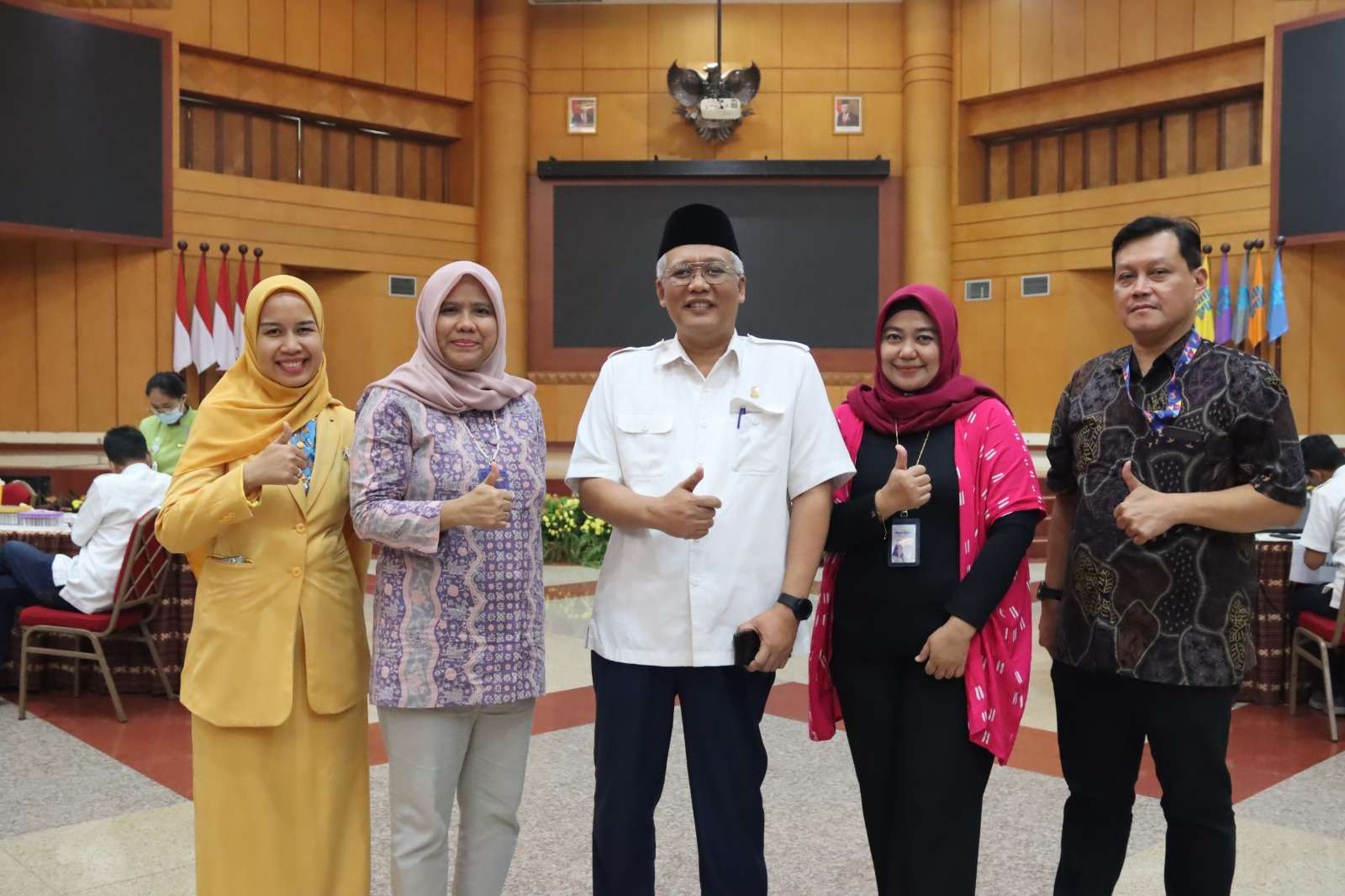
The FGD and dissemination event was officially opened by Gunung Sindur District Head Muhamad Jamaluddin, S.IP., M.Si., and attended by Rawakalong Village Head H. Wardi, Village Secretary Jawanih, S.H., M.Hum., information systems expert from Institut Pertanian Bogor (IPB), Dr. Irman Hermadi, S.Kom., M.S., Ph.D., Posyandu volunteers, PKK members, academics, and other stakeholders.
In addition to introducing the application, the forum was also used to formulate the direction of Rawakalong Village’s digital transformation agenda for the next five years. While Posyandu serves as the entry point, opportunities for village digitalization may later expand into other public service sectors.
Rawakalong Village Head H. Wardi expressed appreciation for the assistance provided by UT. According to him, digitalization has become a necessity in both government administration and public service delivery.
“The SI MAMY application will greatly assist Posyandu volunteers and the PKK Mobilization Team in monitoring the health of pregnant women and children under five, as well as preventing stunting more effectively,” he said.
Meanwhile, Gunung Sindur District Head Muhamad Jamaluddin stated that the innovation developed by UT aligns with the digitalization initiatives currently being promoted by the local government.
“We highly appreciate Universitas Terbuka for selecting Desa Rawakalong as a pilot project. This is a source of pride for us,” he said.
He added that the people of Gunung Sindur are well-prepared to embrace digital transformation, given the district’s location in an urban buffer zone bordering Kota Tangerang Selatan and Kota Depok. If SI MAMY is successfully implemented in Rawakalong, similar models could potentially be expanded to other villages across Gunung Sindur District.
Ultimately, SI MAMY is not merely a story about a new application launched in a village. It is a story about how technology moves beyond seminar rooms and reaches Posyandu service desks, helping volunteers interpret community health data more quickly and accurately.
From Rawakalong, UT demonstrates that innovation does not always have to emerge from grand facilities or complex systems. Sometimes, change begins with the screen of a Posyandu volunteer’s mobile phone, with child health data that no longer gets lost, with pregnant women who are monitored more effectively, and with a village gradually building a healthier future that is more inclusive, measurable, and sustainable.