
Tangerang Selatan, June 17, 2026 — China’s environmentally friendly vehicle industry is currently leading the global innovation landscape, driven in part by the advanced manufacturing capabilities of Zhejiang Chichi Motor Co., Ltd. At the same time, its technology education ecosystem is strongly supported by leading vocational institutions such as Huanggang Vocational College of Science and Technology (HGST). Recognizing these significant advancements, Universitas Terbuka (UT) has taken a strategic step by establishing an international partnership with its Chinese counterparts. The initiative reflects UT’s commitment to breaking down geographical barriers and expanding access to world-class vocational higher education for Indonesian learners.
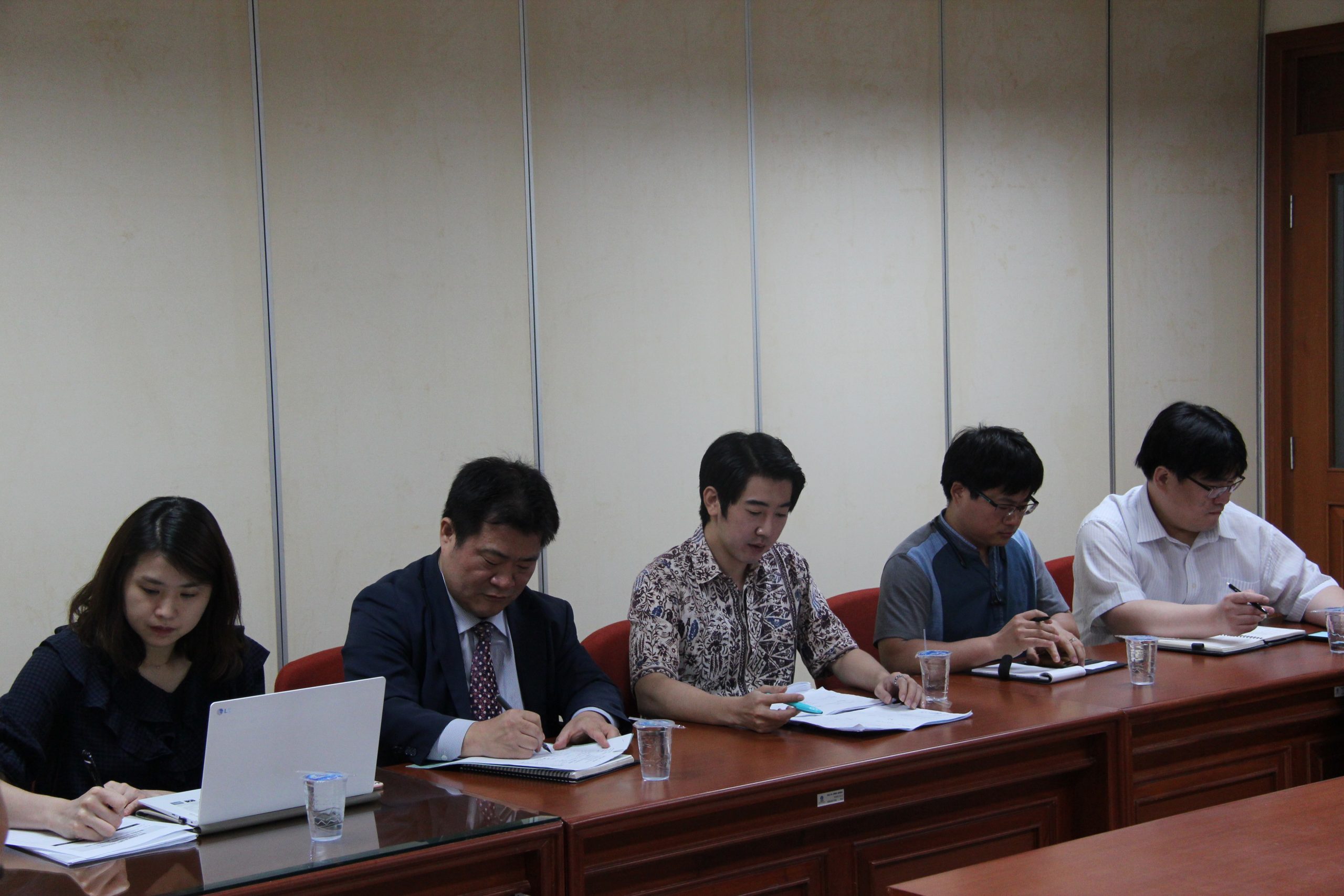
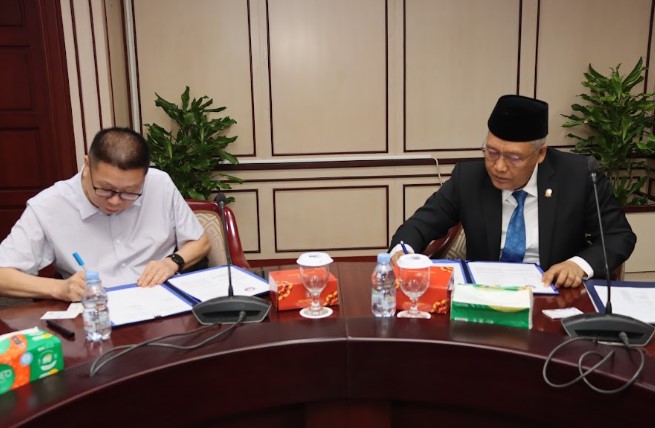
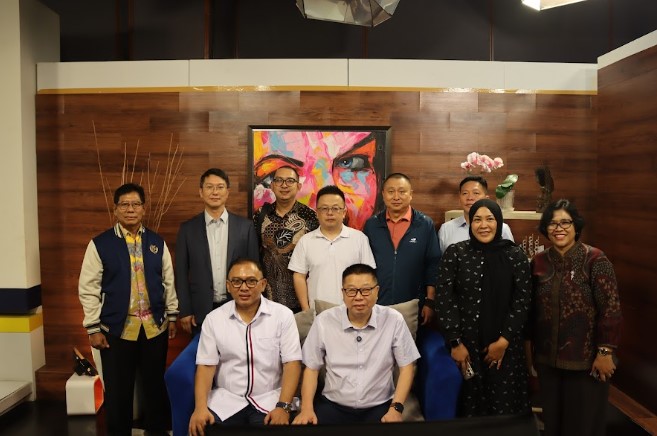
The global partnership was officially formalized through the signing of a Memorandum of Understanding (MoU) and a Memorandum of Agreement (MoA). The signing ceremony, held at the UT campus, was attended and witnessed by representatives of the Indonesian Electric Vehicle Industry Association (PERIKLINDO) and local automotive manufacturer PT Mobil Anak Bangsa (PT MAB). The collaboration also marks a significant milestone for UT’s Vocational School, which is currently in its first year of operation. Through this partnership, UT is committed to expanding access to advanced knowledge, particularly for graduates of vocational high schools (SMKs), enabling them to master future technology ecosystems through an inclusive learning model.
UT Rector, Prof. Ali Muktianto, M.Si., emphasized that the future of vocational higher education can no longer operate in isolation within academia but must be built upon meaningful partnerships that directly address industry needs. The program has been specifically designed to develop human capital capable of supporting the global electric vehicle (EV) and industrial automation sectors.
“The strength of open and distance learning is that our students can study while simultaneously applying what they learn in practice. This collaboration may allow students to complete part of the program in Indonesia and the remaining period at the university and within the industries, both in Indonesia and China,” said Prof. Ali Muktianto.
The collaboration also supports the achievement of the Sustainable Development Goals (SDGs), particularly SDG 4 (Quality Education) by expanding inclusive and equitable access to vocational education, and SDG 7 (Affordable and Clean Energy) by preparing skilled professionals to support low-emission transportation and contribute to a more sustainable future.
Echoing this commitment, Mr. Chan Yuren, Deputy Secretary of the Standing Committee of the Party Committee of HGST, expressed the institution’s readiness to jointly develop curricula and establish a Faculty of New Energy Vehicle Industry in collaboration with UT. HGST brings extensive experience in implementing a closed-loop practical teaching model that integrates industry and education, supported by internationally recognized qualifications endorsed by the Ministry of Education of the People’s Republic of China.
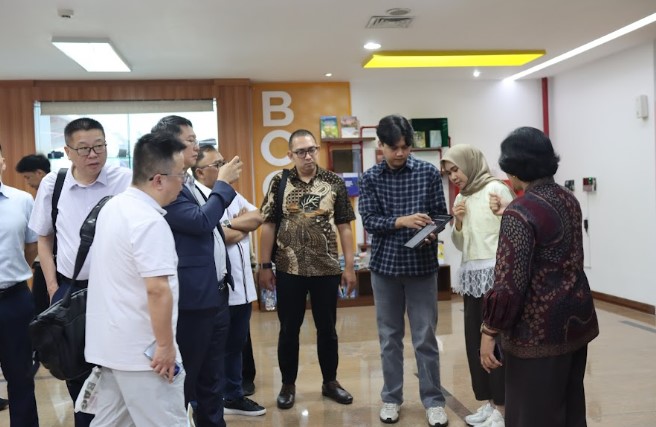
The partnership will encompass joint curriculum development, reciprocal faculty exchanges, credit transfer programs, and international internship opportunities at manufacturing facilities in China as well as partner companies in Indonesia.
Support for the initiative also comes from Indonesia’s automotive industry. Mr. Kelik, Chief Executive Officer of PT Mobil Anak Bangsa (PT MAB), welcomed the collaboration, noting that the growing demand for electric vehicles in Indonesia must be accompanied by the development of highly skilled professionals with strong technical competencies. Through this initiative, UT further strengthens its position as an inclusive university committed to ensuring that everyone, regardless of their background or location, has the opportunity to become globally competitive innovators.