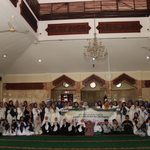

BOGOR, Indonesia — On that day, T-shirts and mugs became more than blank merchandise. In the hands of children and young people with disabilities at HS Learning Center in Bogor, they transformed into tools for learning, building confidence, and taking the first steps toward independence.
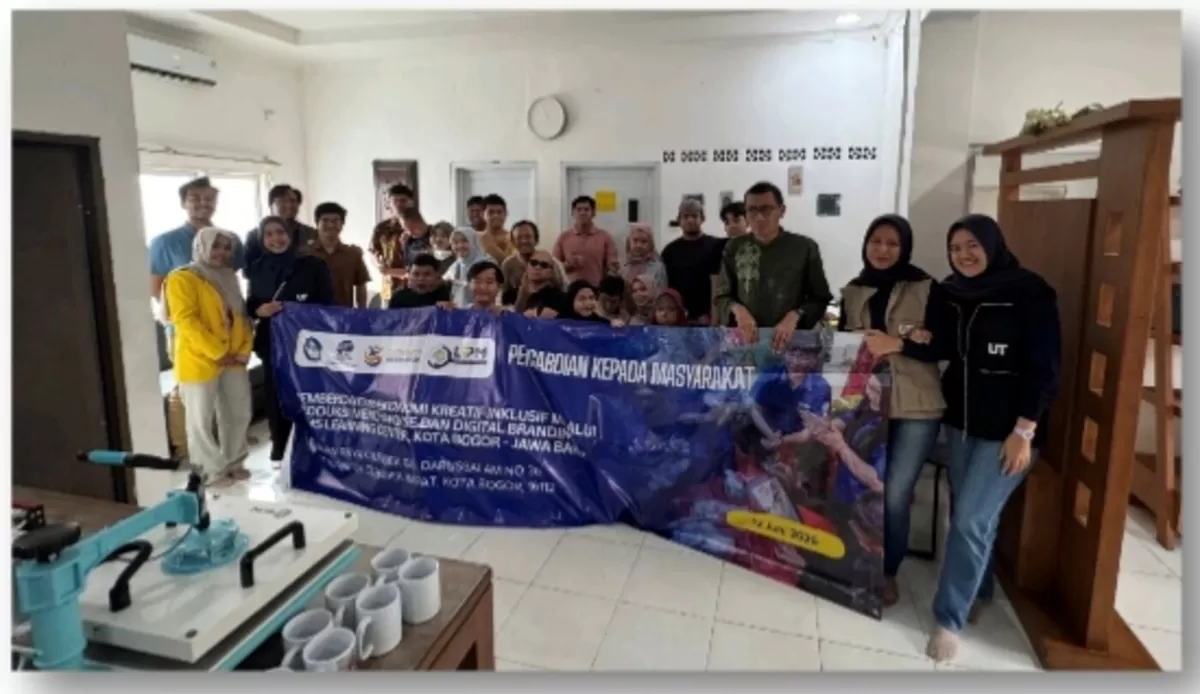
Through its Community Service (Pengabdian kepada Masyarakat – PkM) Program, the Management Study Program and Entrepreneurship Study Program of Universitas Terbuka (UT) organized a training workshop on merchandise production and digital branding for people with disabilities on June 12, 2026. The program was themed “Empowering an Inclusive Creative Economy Through Merchandise Production and Digital Branding at HS Learning Center, Bogor, Jawa Barat.”
The initiative was designed not only to introduce participants to practical skills but also to help them recognize the value of their own creative work. From selecting designs and learning about production tools to experimenting with materials and printing images on T-shirts and mugs, participants experienced firsthand how creativity can flourish when supported by the right opportunities and guidance.
Muhammad Karisma Alam, Head of PkM UT’s Team, explained that the program aims to create broader economic opportunities for people with disabilities. According to him, creative skills such as merchandise production provide practical competencies with commercial value and strong relevance to today’s growing creative industry.
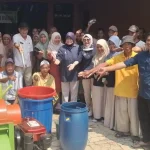
Throughout the workshop, participants actively engaged in hands-on practice rather than simply attending lectures. They learned screen-printing techniques on various products, particularly T-shirts and mugs. This practical approach made the learning process more meaningful, allowing participants to immediately see the results of each stage they completed.
The program was also supported by a team of UT lecturers consisting of Sabna Ainazah Fatikhah, Deane Rahmamita, and Nadya Kariza. Their involvement reflects UT’s commitment to extending higher education beyond the classroom by addressing real community needs.
Siti Meri Mariani, Director of HS Learning Center, welcomed the initiative and described it as a valuable learning experience for children and young people with disabilities, particularly in developing life skills that foster confidence.
“We truly appreciate and warmly welcome this training program from Universitas Terbuka,” Siti said.
She expressed hope that screen-printing skills would become an additional competency that benefits participants not only during their education but also as they engage more actively with society.
“We hope these screen-printing skills will become an additional asset for the children and young people with disabilities at HS Learning Center. This will help them build greater readiness, confidence, and independence as they prepare for life beyond the school environment,” she said.
To make the training more practical and industry-oriented, UT partnered with Celsius Packaging, represented by Eka Yonanda and Krisna Suarna. The collaboration engages the participants and instructors to learn how to operate modern screen-printing equipment safely, efficiently, and in ways that accommodate the learning needs of people with disabilities.
The training was delivered through a gradual mentoring approach involving teachers and facilitators from HS Learning Center. This method was intended to ensure that the program would continue beyond a single-day event, allowing participants to further develop and refine their skills over time.
In addition to merchandise production, participants were introduced to the fundamentals of digital branding. They learned about brand identity, digital marketing strategies, and opportunities to market products through online platforms. These skills equip participants not only to create products but also to promote, sell, and generate economic value from their work.
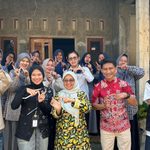
The participants’ enthusiasm became one of the program’s most memorable highlights. Their excitement was evident as they successfully produced their first customized T-shirts and mugs, demonstrating the significant creative and entrepreneurial potential of people with disabilities when provided with the opportunity to develop their talents.
Through this initiative, UT continues to promote a more inclusive creative economy in line with the Sustainable Development Goals (SDGs), particularly Quality Education (SDG 4), Decent Work and Economic Growth (SDG 8), Reduced Inequalities (SDG 10), and Partnerships for the Goals (SDG 17).
Ultimately, empowerment is more than just about providing training, but it is about opening doors, building confidence, and ensuring that every individual, including people with disabilities, has the opportunity to say, “My work has value, and my future is worth pursuing.”