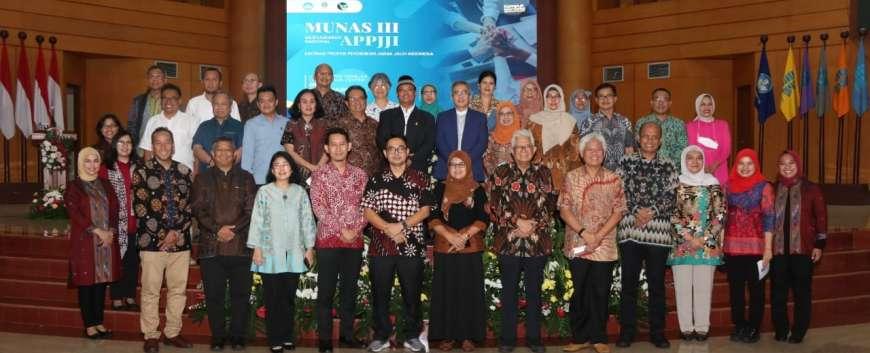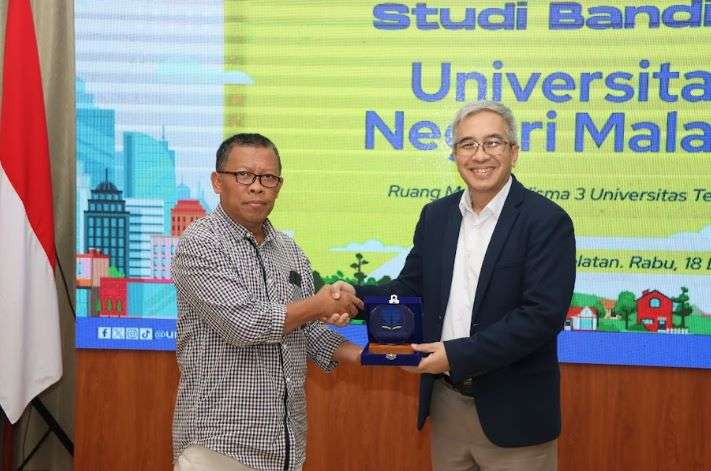

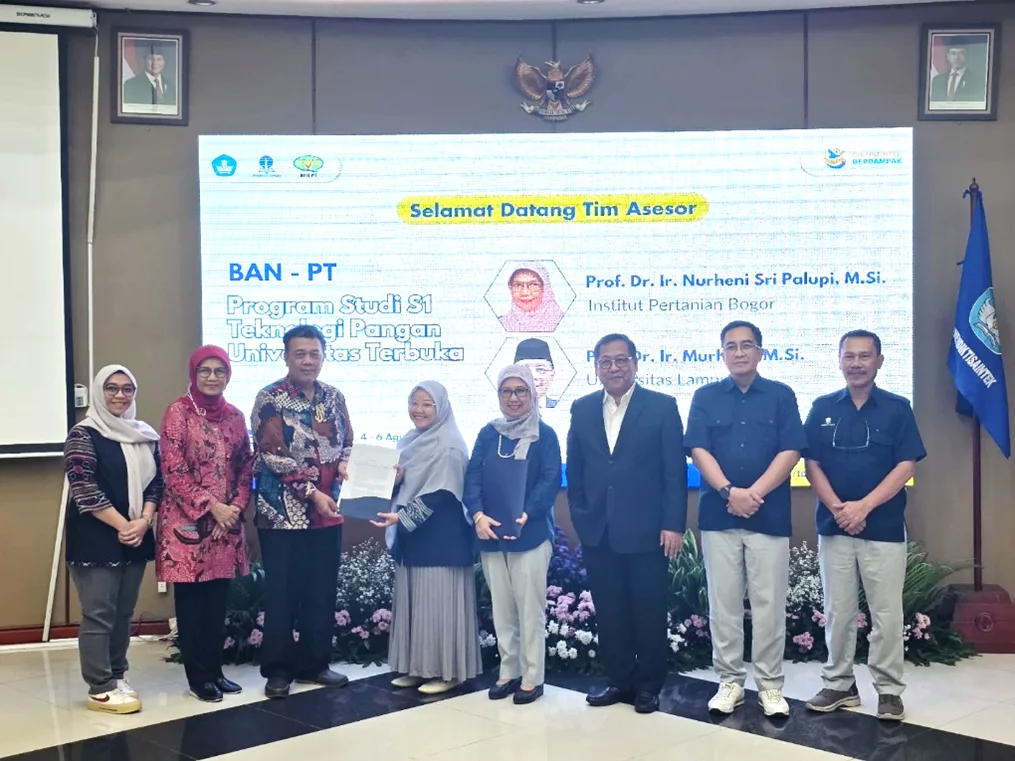
South Tangerang, August 5, 2025 – Universitas Terbuka (UT) has taken another concrete step to improve educational quality by conducting a field assessment for its Food Technology Study Program by the National Accreditation Board for Higher Education (BAN-PT). The event was held on Tuesday, August 5, 2025, at the Auditorium of the Faculty of Science and Technology (FST) Universitas Terbuka.
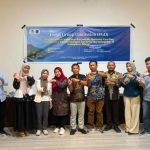
This assessment is part of the national accreditation process aimed at a comprehensive evaluation of the study program’s performance, including academic governance, learning processes, and the readiness of supporting facilities and infrastructure. Two assessors from BAN-PT were present: Prof. Dr. Ir. Nurheni Sri Palupi, M.Si. from IPB and Prof. Dr. Ir. Murhadi, M.Si. from Universitas Lampung. They were accompanied by Ambar Setyaningsih, a BAN-PT assistant.
The opening ceremony was attended by the Vice Rector for Academic Affairs, Prof. Rahmat Budiman, S.S., M.Hum., Ph.D., representing the Rector of Universitas Terbuka. Also present were university leaders, including the Heads of Institutions, the Dean of FST, Directors, the Head of the Quality Assurance Office, Heads of Centers, the Head of the Food Technology Study Program, as well as lecturers and academic staff of the Food Technology Study Program.
During the assessment, the activities included reviewing documents, presenting the study program’s profile, holding discussions with university leaders and lecturers, and touring academic facilities. The entire series of activities proceeded smoothly, demonstrating UT’s readiness to meet the established accreditation standards.
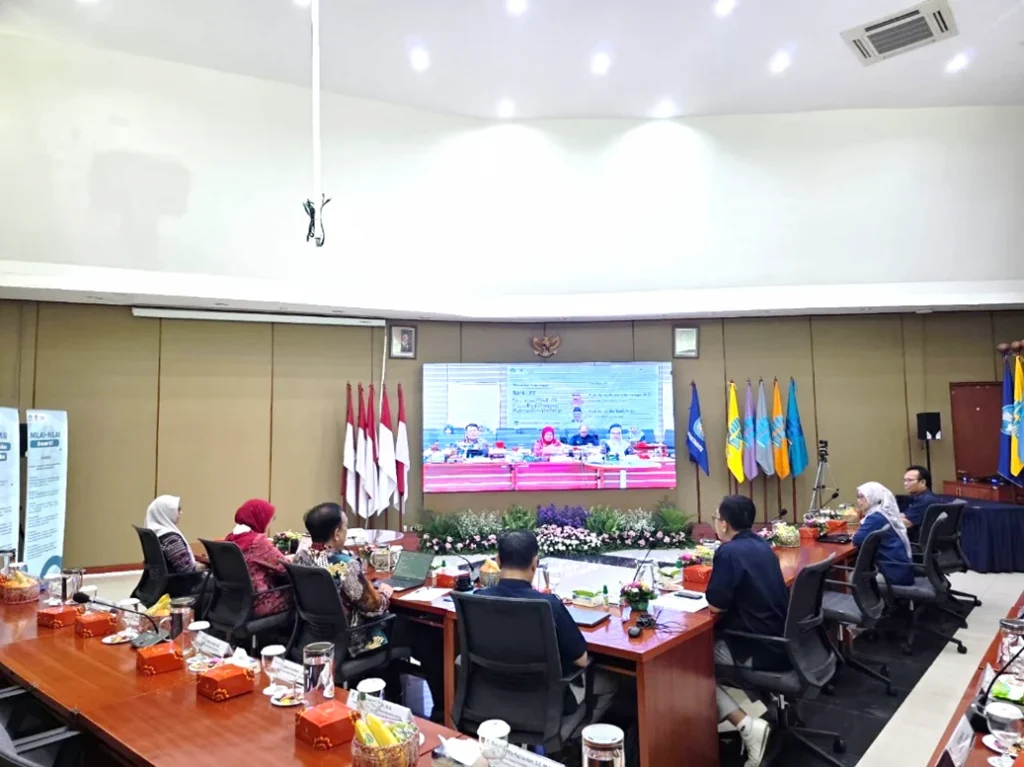
The assessors also provided several strategic recommendations to strengthen the study program’s quality moving forward. Some key points included the need for alignment of the vision, mission, goals, and objectives (VMTS) with the direction of modern science and technology, such as Artificial Intelligence (AI) and data science.
The assessors also suggested improving the curriculum to be more adaptive to industry needs and modern developments. Furthermore, a major focus was placed on the encouragement to enhance the competitiveness of research and publications at national and international levels, including establishing collaborations with local agencies to support student practical activities.
Equally important, regular self-evaluation using a SWOT approach and its implementation through discussion forums (FGD) was recommended as a means of maintaining and continuously improving the quality of the study program.
The event was officially closed by the Rector of Universitas Terbuka, Dr. Mohamad Yunus, S.S., M.A., marking the end of the assessment process, which is expected to yield the best results for the Food Technology Study Program. This closing was a moment of reflection and evaluation for UT to continue strengthening its science and technology-based study programs.
This assessment reflects Universitas Terbuka’s commitment to supporting the achievement of the Sustainable Development Goals (SDGs), particularly SDG 4 (Quality Education), SDG 9 (Industry, Innovation, and Infrastructure), and SDG 12 (Responsible Consumption and Production). By strengthening learning quality and an adaptive curriculum based on food technology, UT encourages the creation of graduates who are not only academically excellent but also capable of creating innovations in the sustainable food sector, strengthening responsible supply chains, and addressing the needs of future industries. This field assessment is a strategic part of Universitas Terbuka’s journey to continuously improve the quality of open and distance higher education and produce competent graduates ready to contribute to the field of food technology.