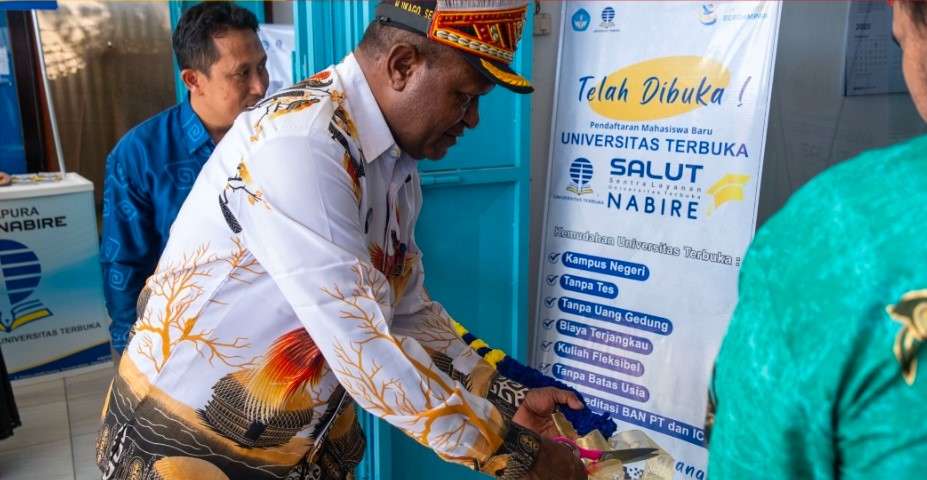

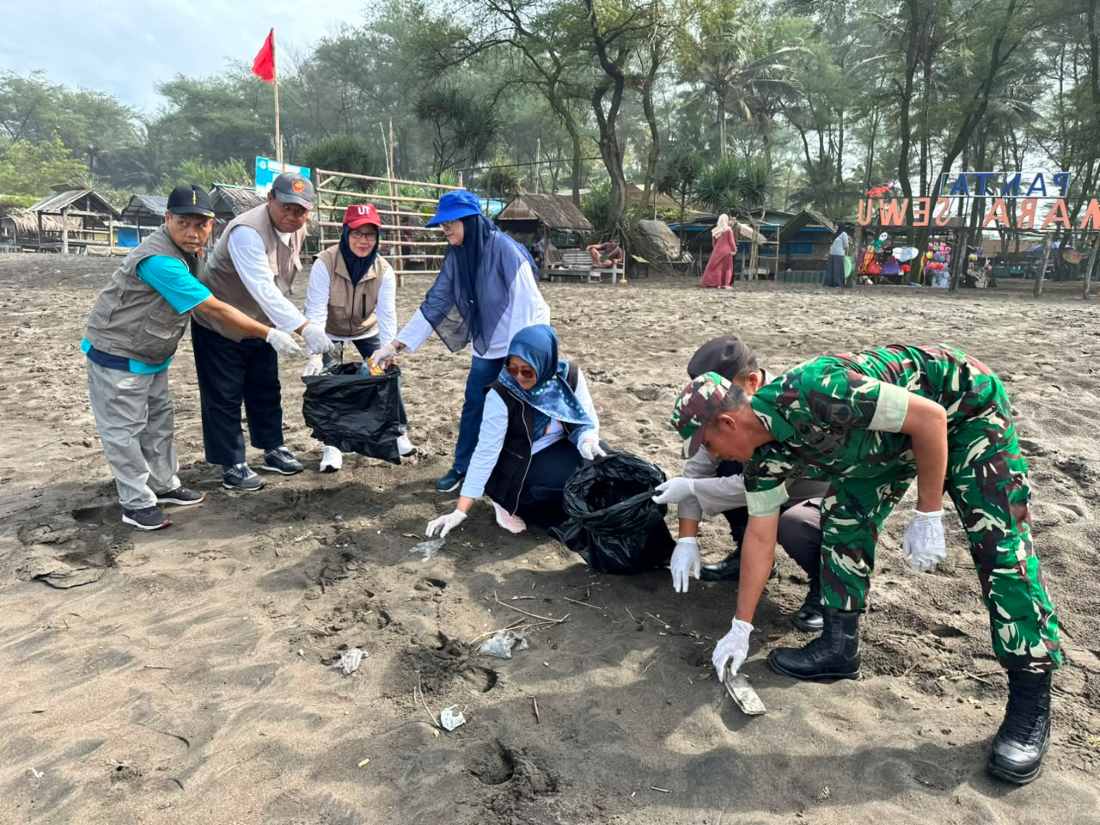
Cleaning a beach may take only a few hours. Changing people’s habits to reduce the use of single-use plastics, however, requires a much longer commitment. With this awareness in mind, Universitas Terbuka (UT) Purwokerto, together with the Universitas Terbuka Learning Service Center (SALUT) Cerdas Kebumen, organized the “Save Our Ocean” campaign at Cemara Sewu Beach, Karangrejo, Petanahan, on Saturday, June 13.
Unlike many environmental campaigns, this initiative focused not only on collecting waste along the coastline. UT Purwokerto also used the event as a practical educational platform to encourage environmentally responsible habits, particularly by reducing dependence on single-use plastic bottles.
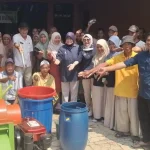
From the beginning of the event, all volunteers and committee members were required to bring reusable tumblers or refillable water bottles. Instead of providing bottled drinking water, the organizers prepared several refill water stations that participants could use throughout the activity.
This simple measure was intentionally introduced as a form of hands-on education, demonstrating that protecting the environment does not always have to begin with large-scale actions. Reducing the use of single-use plastics and switching to reusable drink containers are small everyday habits that, when practiced collectively, can create a significant positive impact on the environment.
The Director of UT Purwokerto, Dr. Prasetyarti Utami, S.Si., M.Si., emphasized that environmental education must begin with internal discipline and leading by example. According to her, campaigns to protect the ocean become more meaningful when participants also make an effort to avoid generating another new waste during the activity.
“Our oceans play an enormous ecological role. They are the Earth’s primary producers of oxygen and major absorbers of carbon dioxide (CO₂), helping to maintain climate stability. If we educate the public about protecting the ocean, we must also set a real example by ensuring that we do not create additional waste throughout this event,” she said during the activity.
Through this approach, UT Purwokerto aims to demonstrate that protecting the ocean involves not only cleaning up waste that has already polluted the environment but also preventing new sources of waste from being created in the first place. One practical example is encouraging the habit of carrying reusable tumblers instead of relying on single-use plastic bottles.
Dr. Prasetyarti also believes that the transition toward a more environmentally friendly lifestyle will be more effective when supported by various stakeholders, including local governments and policymakers.
“Today’s activity is only the beginning. Moving forward, we hope that the local leadership forum (Forum Koordinasi Pimpinan Kecamatan – Forkopimcam) will continue to collaborate with Universitas Terbuka Purwokerto. We want to ensure that environmental awareness grows into a sustainable culture within the community rather than remaining a one-day ceremonial event,” she said.
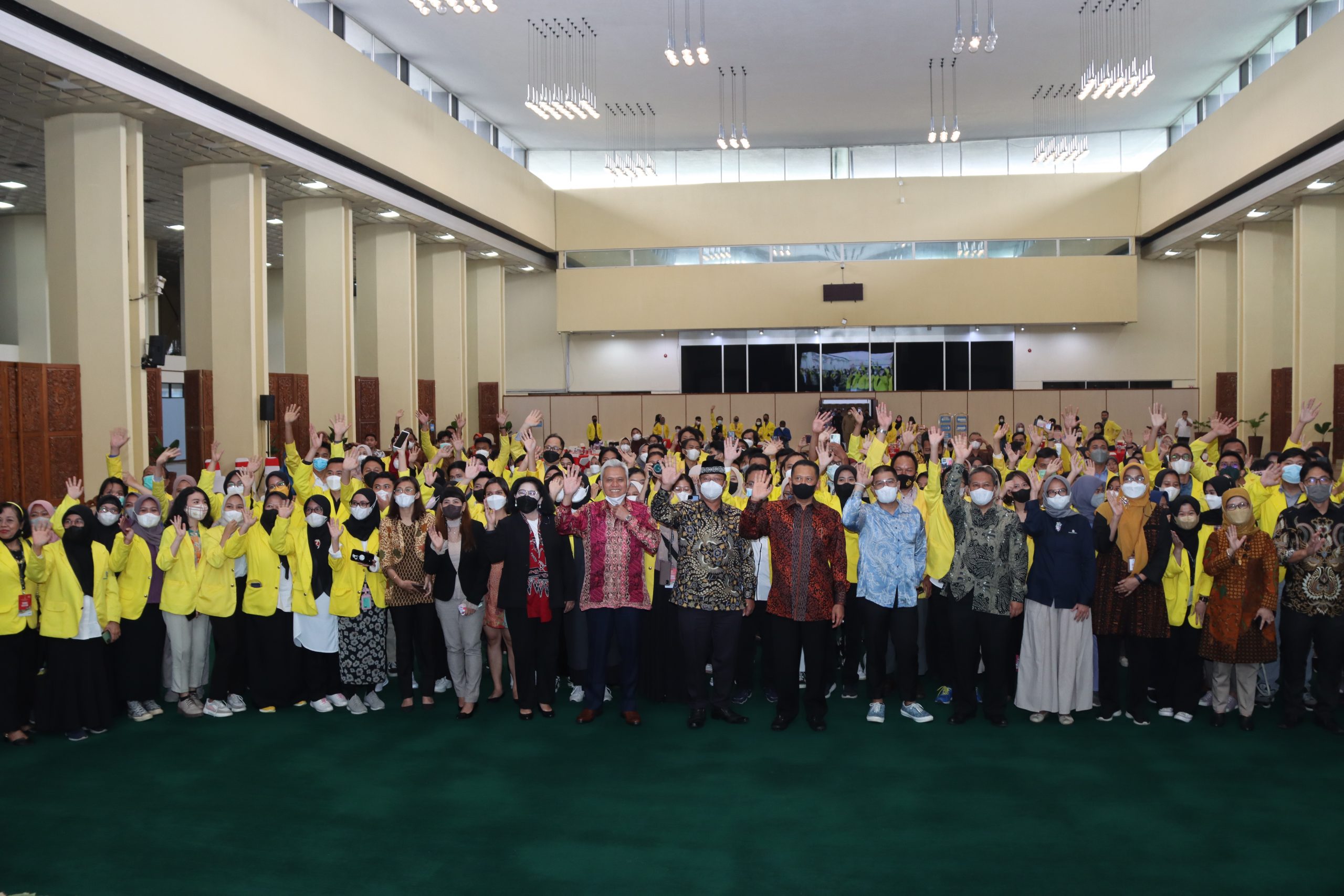
In addition to cleaning the beach, hundreds of young participants spread throughout the tourist area and nearby food stalls. They encouraged visitors and local business owners to become more aware of the impact of plastic waste while educating them about the dangers of microplastics, which can enter the food chain and ultimately be consumed by humans through seafood.
The message is particularly relevant because Cemara Sewu Beach serves as one of the region’s key economic centers, with local livelihoods heavily dependent on seafood businesses and tourism. As a result, protecting the marine environment not only preserves natural ecosystems but also supports the long-term sustainability of coastal communities’ sources of income.
The efforts to reduce plastic waste and protect marine ecosystems through this initiative are also aligned with the Sustainable Development Goals (SDGs), particularly SDG 14: Life Below Water, which promotes the conservation of marine resources through more responsible consumption patterns and environmental practices.
Through collaboration among academia, local communities, residents, and government institutions, the “Save Our Ocean” campaign demonstrated that meaningful change does not always begin with complex solutions. Sometimes, it starts with a simple decision made before leaving home: choosing a reusable tumbler instead of a single-use plastic bottle.